Mahjong wholesale MOQ is not one universal number that applies to every order. The workable quantity depends on whether the set is stocked or custom, which components change, how packaging is produced, what production batch the factory can run, and which costs and responsibilities the quotation includes. A useful first-order decision therefore starts with evidence, not a number copied from another product.
For a commercial buyer, the goal is to select the smallest order that can still validate demand, product quality, packaging, logistics, and repeat-order documentation. That quantity should be confirmed in a written quotation after the supplier reviews the complete specification. Do not treat an unconfirmed website range, an old message, or a sample invoice as a binding production commitment.
Direct answer: separate the minimums before choosing a quantity
Ask the supplier to identify four separate constraints: the minimum finished-set quantity, minimum runs for custom components, minimum packaging quantities, and any carton or freight constraints. Then ask what happens when those minimums do not match. A factory may be able to assemble a smaller number of sets while a printed box, insert, accessory, or decorated tile process requires a larger run. The buyer needs to know whether the excess is stored, delivered, charged, discarded, or unavailable.
A first commercial order is ready only when the buyer can trace every quantity to a component, cost, responsibility, and approval record.
This separation prevents a common mistake: negotiating a lower finished-set quantity while leaving hidden commitments in packaging, components, setup charges, or inventory. The final order quantity should be a business decision supported by the supplier's current quotation, not a stand-alone purchasing target.
Classify the order before setting mahjong wholesale MOQ
Start by naming the production route. A stocked set with no changes usually has fewer custom dependencies than a private-label set. A semi-custom project may change artwork, color, accessories, or packaging while keeping an existing construction. A fully custom program can add material, tooling, decoration, testing, and approval work. These routes should not share one assumed minimum.
Use the OEM versus ODM Mahjong buyer's guide to assign design and production responsibilities. If the project is private label, the private-label release plan can help separate brand changes from product changes before the supplier quotes.
| MOQ driver | Question for the supplier | Evidence to retain |
|---|---|---|
| Finished set assembly | What is the minimum for this exact configuration and production route? | Dated quotation, specification revision, set quantity, and included components. |
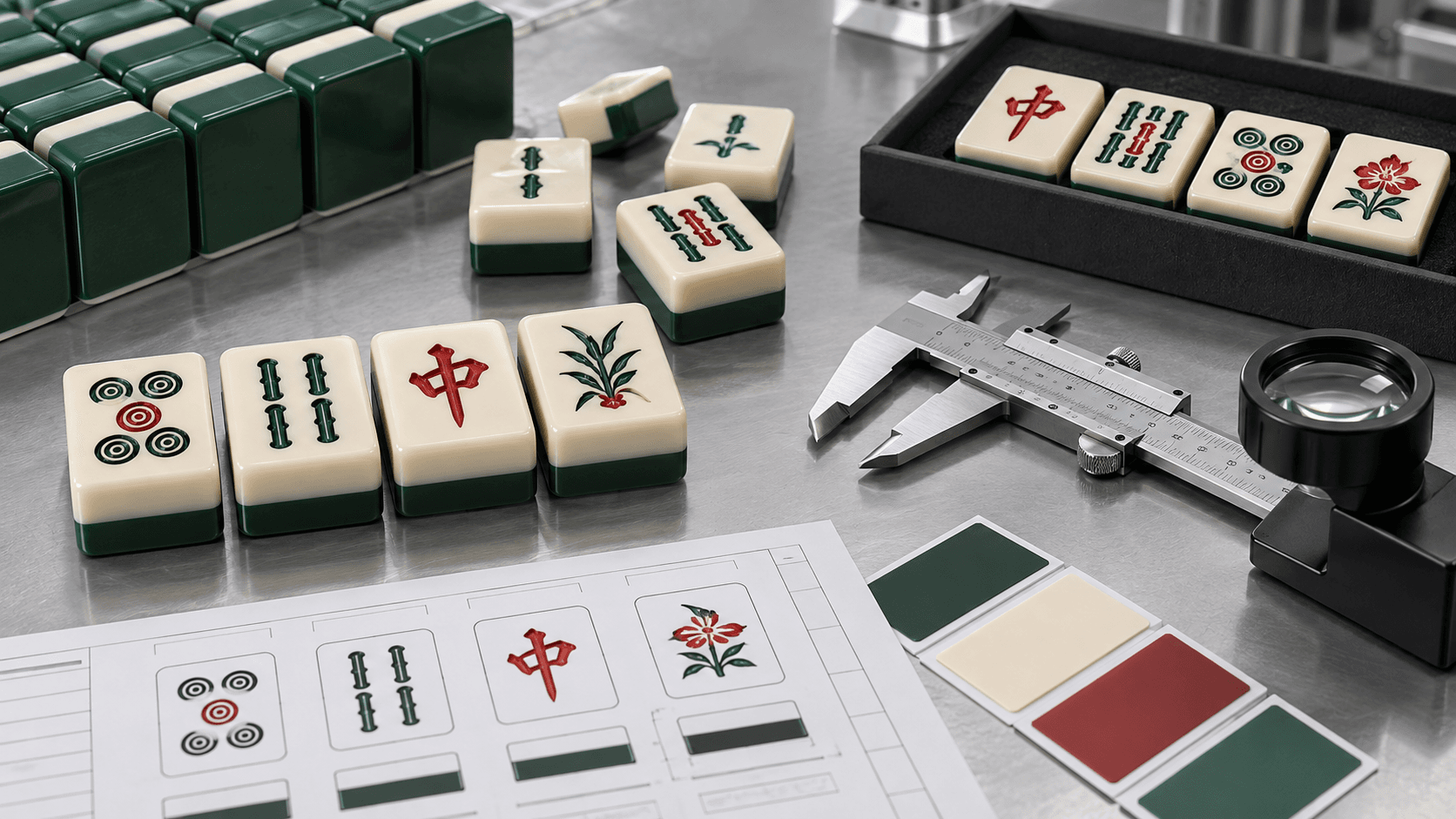
| Tile decoration or tooling | Which faces, colors, molds, print methods, or fills create a separate production run? | Face map, artwork revision, tooling scope, setup list, and approval sample. |
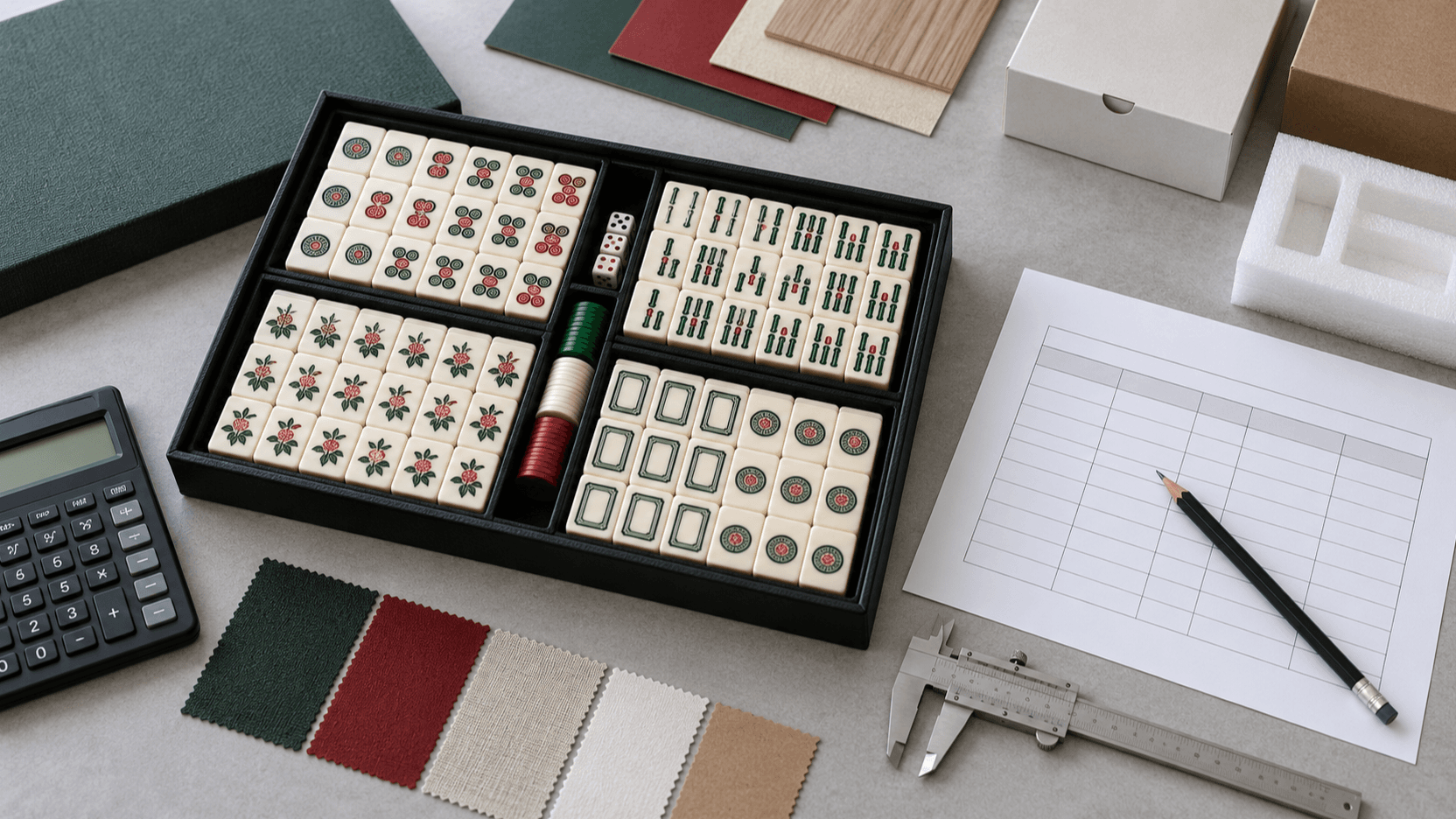
| Accessories | Do racks, dice, wind indicators, bags, manuals, or trays have different minimums? | Bill of materials with quantity per set, source, finish, and excess disposition. |
| Retail packaging | What is the print or conversion minimum for each box, insert, sleeve, label, and carton? | Dieline, print proof, packaging quotation, packing ratio, and leftover policy. |
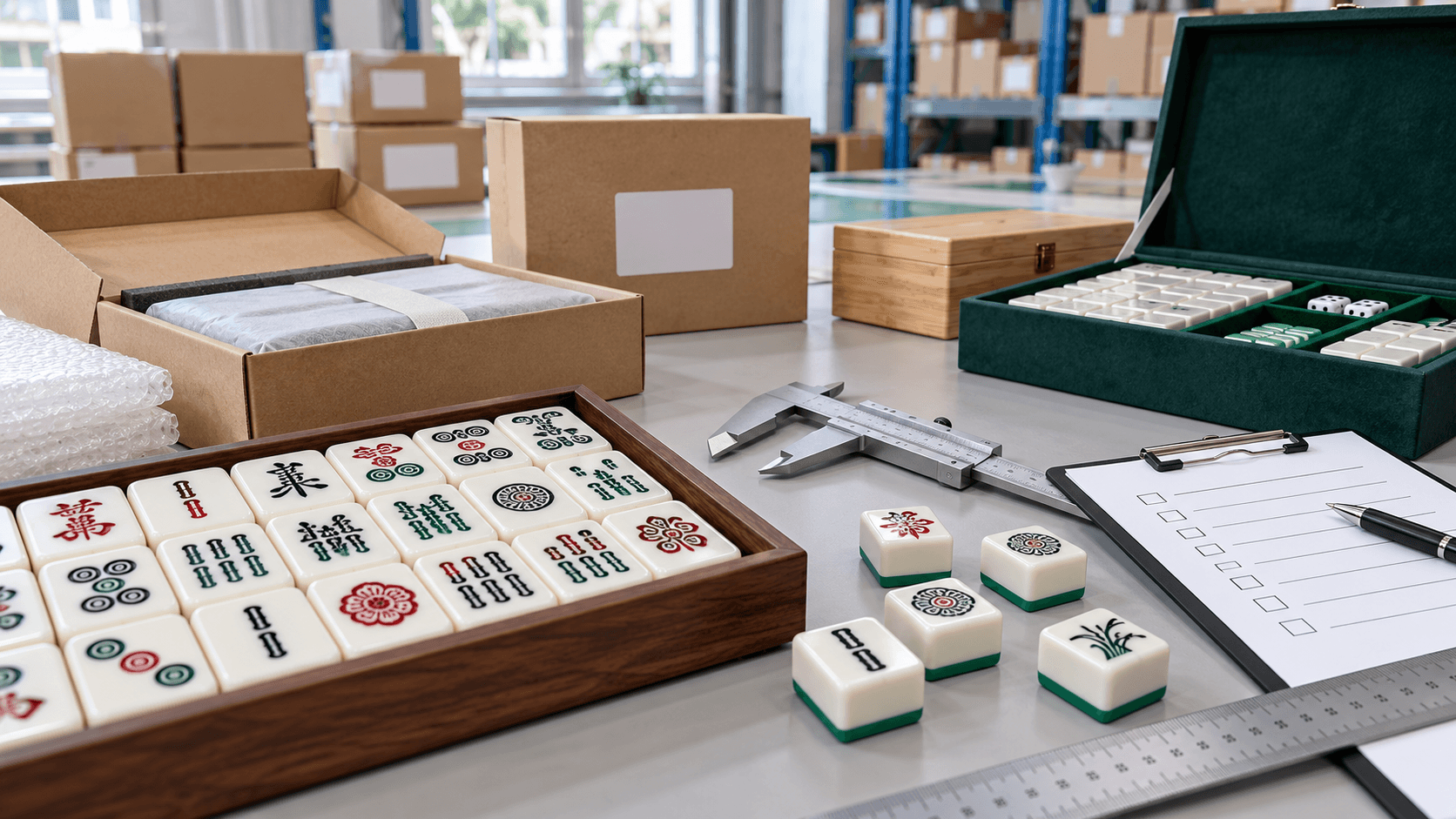
| Logistics | How do carton count, pallet use, shipment mode, and destination affect the practical quantity? | Packing list estimate, carton dimensions, gross weight, Incoterm, and destination. |
Build the first-order quantity from demand and learning goals
Estimate sellable demand for a defined period using actual channel evidence: confirmed purchase orders, retailer commitments, a conservative direct-to-consumer forecast, or a documented launch test. Keep promotional optimism separate from committed demand. Add only the quantities that have an explicit purpose, such as approved marketing samples, replacements, inspection pulls, or customer service stock.
Next, define what the order must teach the business. A first order may need to validate product acceptance, color and artwork reproduction, packaging survival, fulfillment handling, customer returns, or reorder timing. Each learning goal should have a measurement and an owner. Buying more units does not create better evidence when the acceptance criteria are vague.
Finally, compare the demand-based quantity with the supplier's component and batch constraints. If they do not align, change one controlled variable at a time. The buyer might use standard packaging for the first run, delay a custom accessory, consolidate variants, or separate a pilot from the commercial release. Any option still needs a revised quotation and written confirmation.
Calculate total commitment, not only unit price
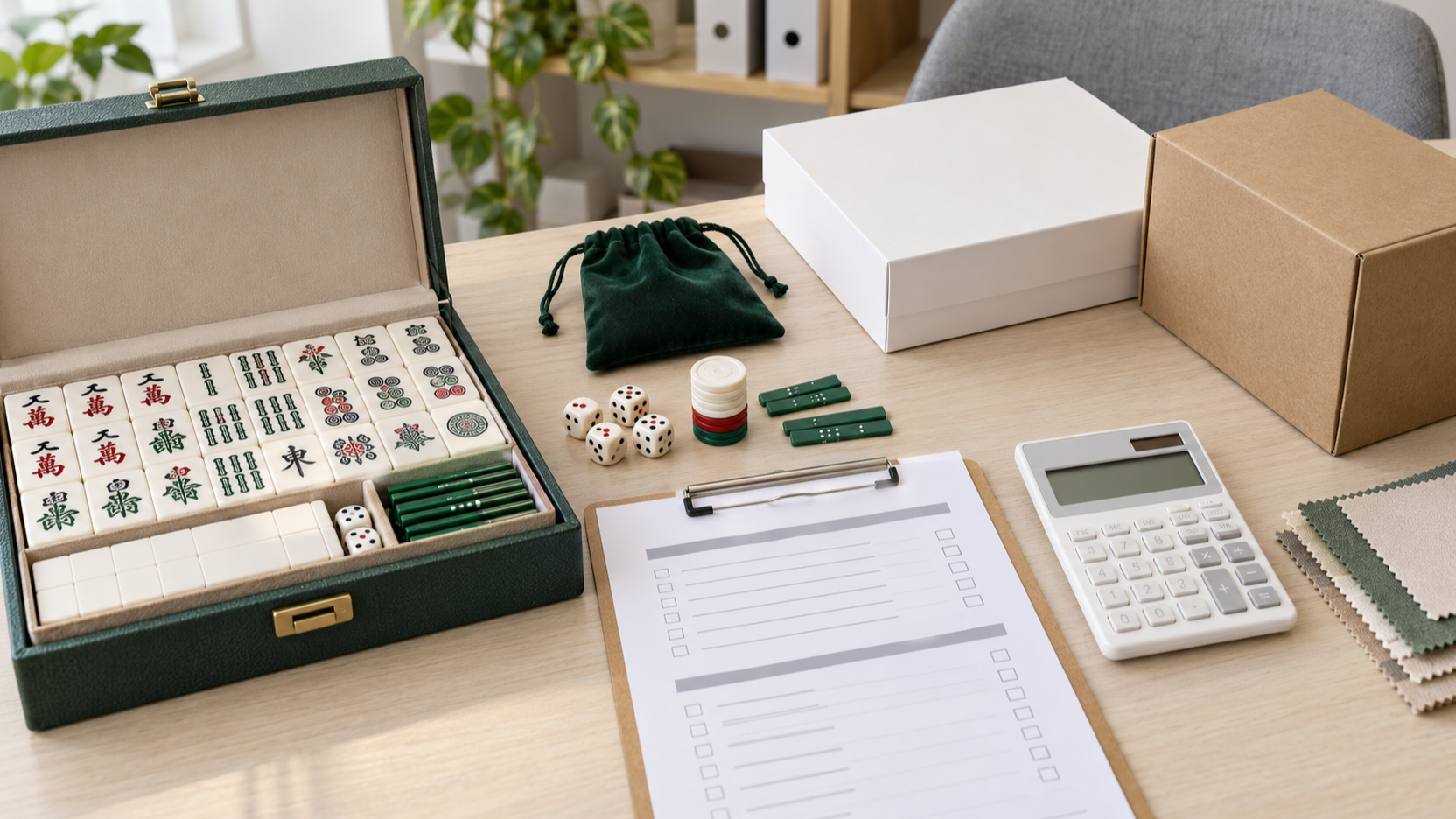
A low quoted unit price can produce a high cash commitment when it requires more inventory, extra packaging, setup charges, storage, or a shipment mode that does not fit the launch. Compare scenarios using total cash required and the amount at risk, not just the factory price per set.
The U.S. International Trade Administration explains that a total export price can include the product price plus freight, insurance, duties, taxes, and other expenses. Its total export price guidance is a useful reminder to model landed cost rather than treating the product quote as the whole purchase decision.
| Worksheet field | Buyer input | Decision check |
|---|---|---|
| Sellable demand | Conservative units by channel and period, with source and owner. | Is demand documented rather than based on a best-case launch? |
| Non-sellable allocation | Samples, inspection units, replacements, marketing, and service stock. | Does every extra unit have a defined use and budget owner? |
| Product and setup | Finished sets, tooling, artwork, sampling, testing, and inspection. | Which charges recur, and which are one-time or change-dependent? |
| Excess components | Unused boxes, inserts, accessories, decorated parts, or raw materials. | Who owns them, where are they stored, and can they support a reorder? |
| Logistics and import | Export packing, freight, insurance, duties, taxes, brokerage, and delivery. | Are assumptions tied to the destination, shipment mode, and quoted term? |
| Inventory exposure | Storage, handling, financing period, damage, markdown, and obsolescence risk. | What happens if sales are slower or a design changes? |
Run at least a conservative and an expected-demand scenario. Use supplier-confirmed values where available and label every estimate. The model should show cash due by milestone, units expected to be sellable, leftover materials, and the point at which a repeat order must begin. It should also identify assumptions that require ABC Mahjong or supplier confirmation before a purchase order is issued.
Define quotation boundaries and trade responsibilities
A quotation should state the product revision, quantity, currency, validity period, included components, packaging, tooling, sample status, quality requirements, shipping term and named place, production timing assumptions, and exclusions. Ask the supplier to identify what changes the price or minimum. Do not infer that a similar-looking order has the same commercial terms.
Incoterms rules clarify selected responsibilities, costs, and risks between seller and buyer, but they do not replace the product specification or payment agreement. Review the ICC Incoterms 2020 overview and put the chosen rule with a named place in the quotation and purchase order. Also confirm which party handles freight, insurance, export steps, import clearance, duties, and final delivery.
Payment method and timing should be agreed for the actual transaction and risk profile. The International Trade Administration's methods of payment guidance explains that international payment methods allocate risk differently between exporters and importers. Do not insert an assumed deposit percentage into the purchase order. Record the negotiated milestones, required documents, refund or remedy terms, and approval authority.
Control samples, changes, and production release
A sample is evidence for a defined specification, not blanket approval for every future change. Link the approved sample to the artwork, material, color, finish, accessories, packaging, and test plan. Use the Mahjong sample budget checklist to identify sample-related cost fields without assuming a fee.
Before production release, close every open decision that can affect quantity or cost. Confirm the bill of materials, artwork and dielines, approved physical sample, packaging pack-out, inspection criteria, carton configuration, quotation revision, and change-control process. The Mahjong manufacturing timeline helps place these gates before production and shipment rather than after a deadline is missed.
- Do not release production from an unapproved rendering when physical appearance matters.
- Do not combine variants unless the supplier confirms how each variant affects the run.
- Do not approve a box quantity without deciding who owns and stores any excess packaging.
- Do not accept a lower unit price without comparing the larger total cash and inventory exposure.
- Do not change artwork, material, accessories, or pack-out without a revised impact record.
Use a staged first-order decision
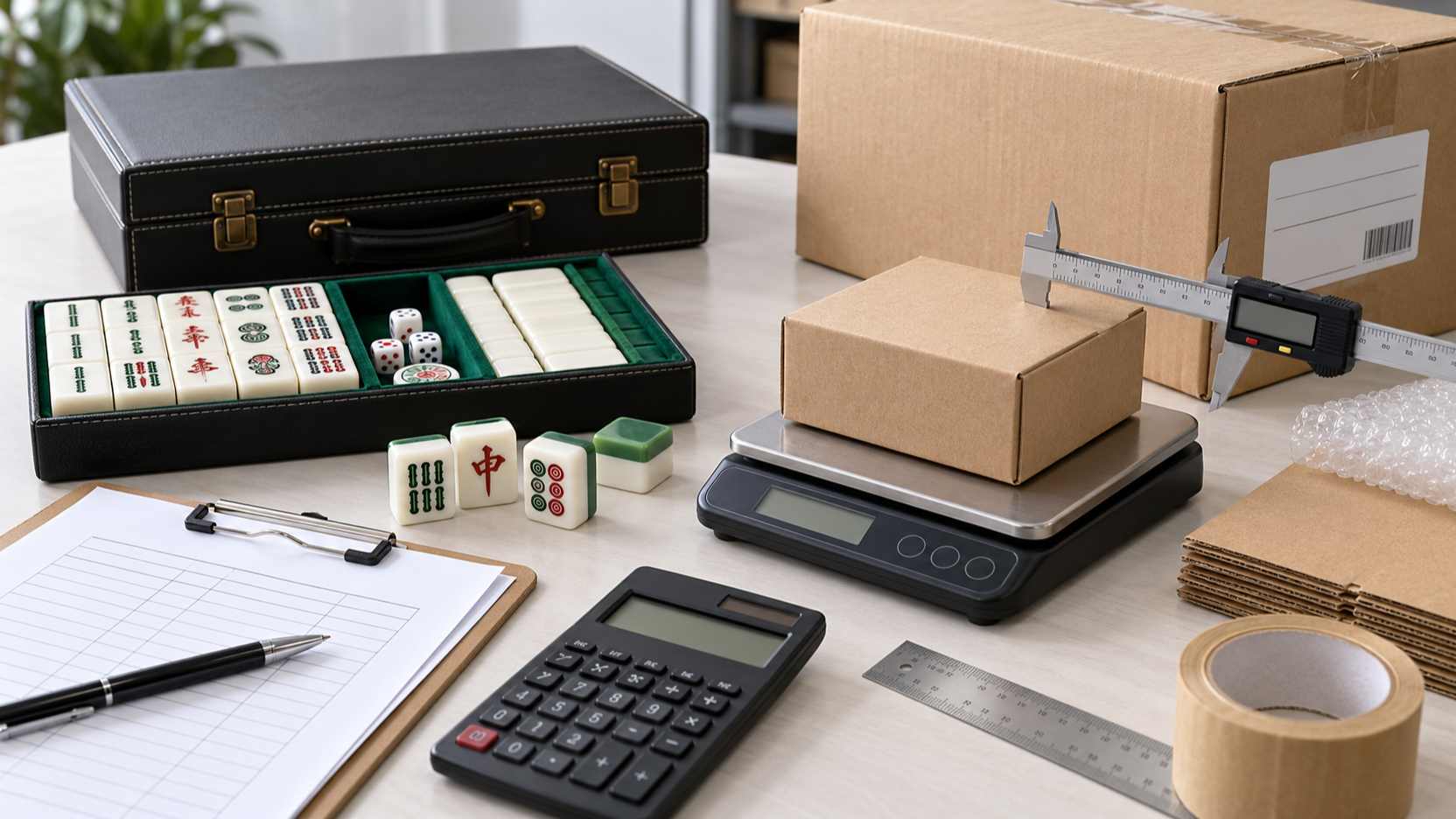
A staged decision does not necessarily mean several production runs. It means that commitment increases only after evidence is approved. Begin with an RFQ package, compare complete quotations, approve a production-relevant sample, close the quality and packaging records, and then authorize the commercial order. If a pilot is commercially and technically possible, define what result allows the next stage and how pilot differences will be controlled.
Red flags include an MOQ stated without a specification, pressure to pay before scope is documented, a quotation that omits packaging or accessories, an unexplained mixture of standard and custom components, and no answer for excess printed materials. Another warning is a supplier who reduces the finished-set quantity but will not state whether other minimums or charges remain.
When the RFQ is ready, send the specification, destination, target timing, channel, demand basis, required samples, packaging scope, quality expectations, and trade-term request through ABC Mahjong's quote contact. The response can then confirm the current commercial values for that exact project.
Conclusion
A responsible mahjong wholesale MOQ decision connects demand, product design, component runs, packaging, logistics, cash exposure, and approval evidence. Classify the order, separate every minimum, model total commitment, document the quotation boundary, and release production only after the sample and records match. The result is a first order designed to generate useful market evidence without hiding unapproved commercial assumptions.
FAQ
What is a typical wholesale MOQ for Mahjong sets?
There is no responsible universal number for all projects. A stocked set, private-label package, semi-custom set, and fully custom product can have different production and component constraints. Send the exact specification and destination to the supplier and request a dated quotation that separates the finished-set, component, packaging, and logistics requirements.
Can a supplier lower the MOQ for a first order?
Possibly, but the buyer should ask what changes. A lower set quantity may require standard components, fewer variants, different packaging, added setup cost, or ownership of excess materials. Compare the complete revised quotation and the product differences before deciding that the lower quantity is better.
Why can packaging have a different minimum from the Mahjong set?
Printed boxes, inserts, sleeves, labels, and shipping cartons may use processes and suppliers with their own efficient run quantities. Ask for each packaging component's requirement, unit allocation, excess quantity, ownership, storage condition, and reorder usefulness. A finished-set minimum does not automatically settle those questions.
Should buyers order extra sets for replacements?
Only with a defined reason and service plan. Estimate likely handling damage, inspection pulls, marketing use, and customer support needs using available business evidence. Record who owns the allocation and how it will be used. Do not add an arbitrary percentage and present it as a universal rule.
How should multiple designs or colors be handled in one order?
List every variant and ask whether the minimum applies to the total order or to each design, color, decoration process, or package. Confirm how shared components are allocated and whether changeovers add cost or time. The quotation and bill of materials should make the answer auditable.
What costs should be included beyond the unit price?
Review product, setup, tooling, sampling, testing, inspection, packaging, excess materials, export packing, freight, insurance, duties, taxes, brokerage, delivery, storage, handling, financing, and obsolescence exposure as applicable. Use confirmed values where possible and mark estimates clearly.
How do Incoterms affect a wholesale order?
The chosen Incoterm and named place help allocate specified delivery responsibilities, costs, and risk. They do not define product quality, transfer of title, payment terms, or every contractual issue. Put the current agreed rule and named place in the quotation and purchase order, and obtain professional advice when needed.
When should the purchase order be released?
Release it after the commercial and technical scope is aligned: specification revision, bill of materials, artwork, samples, packaging, quality plan, quantity, quotation, shipment responsibilities, payment terms, and change process. Open items should have named owners and written closure conditions rather than informal promises.
What should happen to leftover custom packaging or components?
Agree the disposition before ordering. The record should identify quantity, ownership, payment, storage location, condition requirements, shelf-life concerns, future use, inventory reporting, and what happens after a defined period. Materials should not become an invisible commitment simply because they are not assembled into finished sets.
What information should be included in a Mahjong RFQ?
Include the product type, rules or market, tile and accessory scope, artwork status, materials and finish, packaging, variants, target destination and timing, sales channel, demand basis, sample needs, testing and inspection expectations, shipment term request, and questions about component minimums and excess materials.