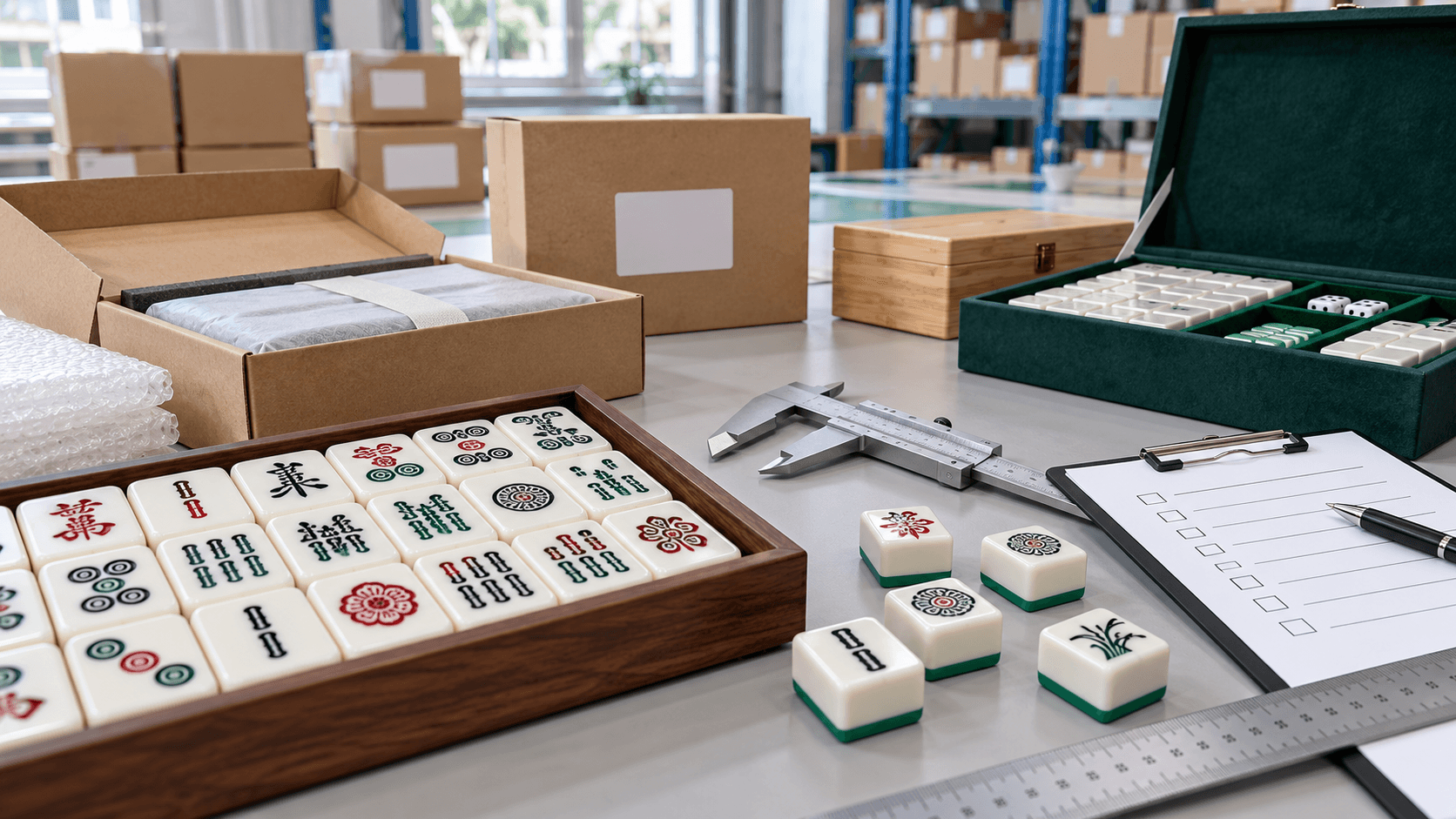

Mahjong color consistency inspection should answer a practical question: can a buyer recognize, measure, approve, and reorder the same visual result across tiles, sets, cartons, and production batches? A color that looks acceptable in one photograph can shift under a warm retail lamp, a cool warehouse light, or a different phone screen. A reliable release process therefore needs more than a color name. It needs an approved control sample, a defined viewing setup, a comparison method, a record for every relevant lot, and a clear escalation rule when the result does not match.
For a custom or private-label set, color is also connected to artwork revision, tile material, decoration method, packaging, and future replenishment. The goal is not to promise that every physical piece is mathematically identical. The goal is to make the acceptable range visible, repeatable, and agreed before production is released.
Direct answer: control the comparison, not just the color name
A supplier should not be asked to “make it blue,” “match the sample,” or “keep the pink consistent” without a reference and a decision rule. Write down the tile material, decoration process, approved artwork revision, control sample ID, viewing conditions, measurement method if used, defect classification, and who can approve a deviation. Then use the same record for sample approval, first production, in-process checks, final inspection, and reorder review.
Color approval is a controlled comparison between an agreed reference and a defined production result. It is not a promise that an unmeasured screen image will look the same everywhere.
Sampling standards can help structure lot decisions, but they do not replace the product specification. ASQ describes ANSI/ASQ Z1.4 as an acceptance sampling system for attributes inspection with normal, tightened, and reduced plans. The applicable edition, inspection level, lot definition, defect classes, and acceptance rule should be written into the buyer-supplier plan rather than assumed from the word “AQL.”
For international programs, also check the current edition and contractual use of the relevant ISO 2859 series. ISO’s current catalogue page describes ISO 2859-1:2026 as a lot-by-lot attributes sampling standard indexed by AQL. A buyer should confirm which edition and plan governs the order, because the standard is a sampling framework, not a substitute for a color specification.
Read the ASQ overview of ANSI/ASQ Z1.4 and Z1.9 and check the ISO 2859-1 catalogue entry before finalizing a quality plan.
Myth versus evidence
Many color disputes begin with a reasonable-looking assumption that cannot be audited later. Replace the assumption with evidence that a buyer and supplier can review together.
| Common assumption | Why it fails | Evidence to request |
|---|---|---|
| “The digital artwork is the approved color.” | Monitors, export profiles, material, and lighting change the appearance. | Approved physical control sample, artwork revision, and a documented viewing setup. |
| “The first set looked right, so the whole lot is right.” | A single set cannot show batch drift, mixed raw materials, or a process change. | Representative samples tied to a lot, carton, batch, and inspection record. |
| “A supplier’s color name is enough.” | Names such as navy, ivory, or rose are interpreted differently by people and factories. | Reference images plus physical standards and, where relevant, instrument readings. |
| “A spectrophotometer reading settles every dispute.” | Gloss, texture, translucency, geometry, and viewing angle still affect what customers see. | Measurement conditions, instrument method, visual comparison, and a product-specific tolerance. |
| “An AQL number defines color quality.” | Sampling can define how many units are checked; it does not define the approved appearance. | Color specification, defect classes, sampling plan, and release authority. |
Five verification tests for a color-controlled batch
1. Lock the control sample and face map
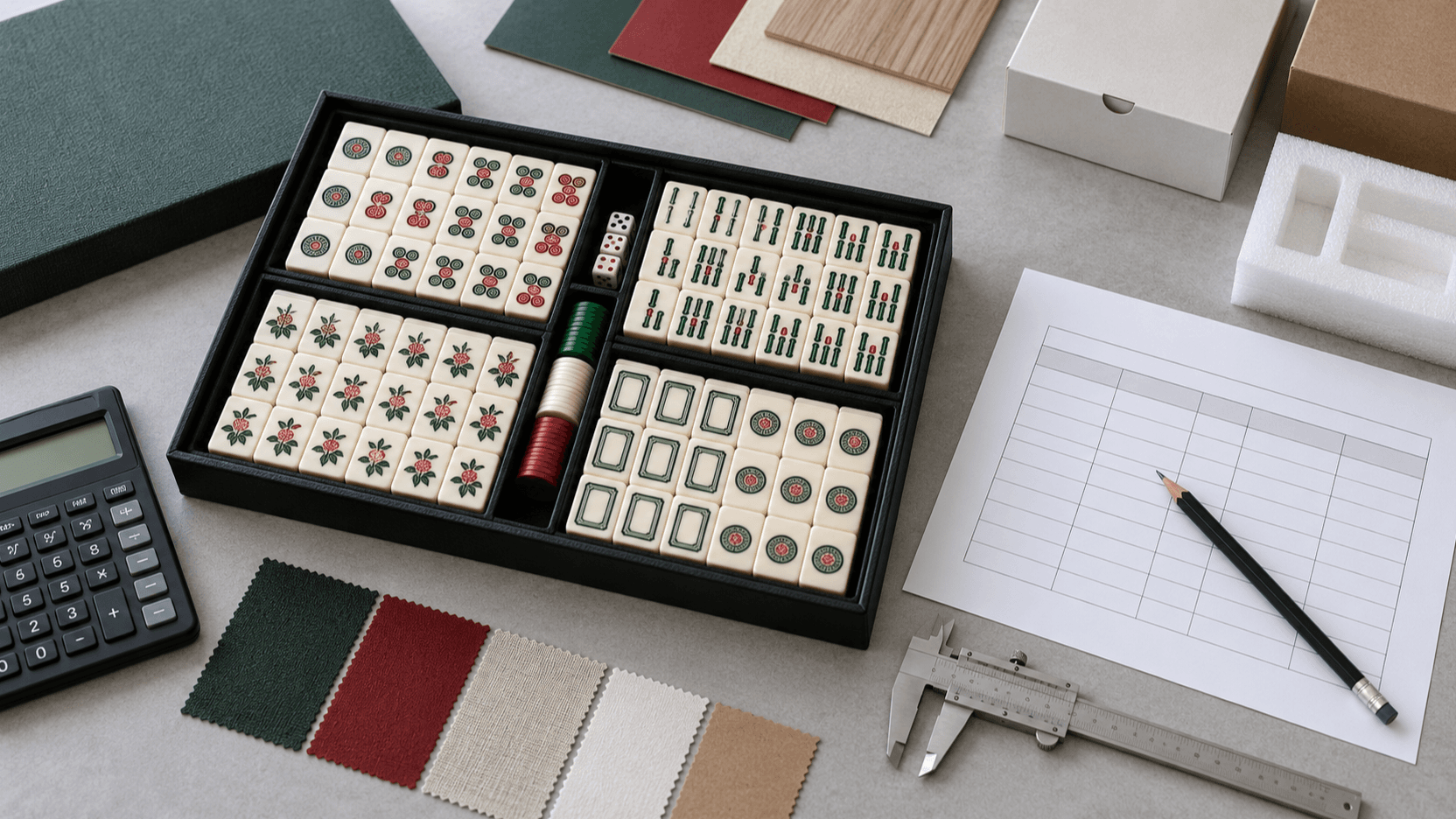
Start with a physical sample that both sides can identify. Record its ID, date, material, finish, decoration process, artwork revision, and represented components. A control sample should not be an anonymous loose tile; it should show the face family, back color, accessory relationship, and any finish that changes appearance.
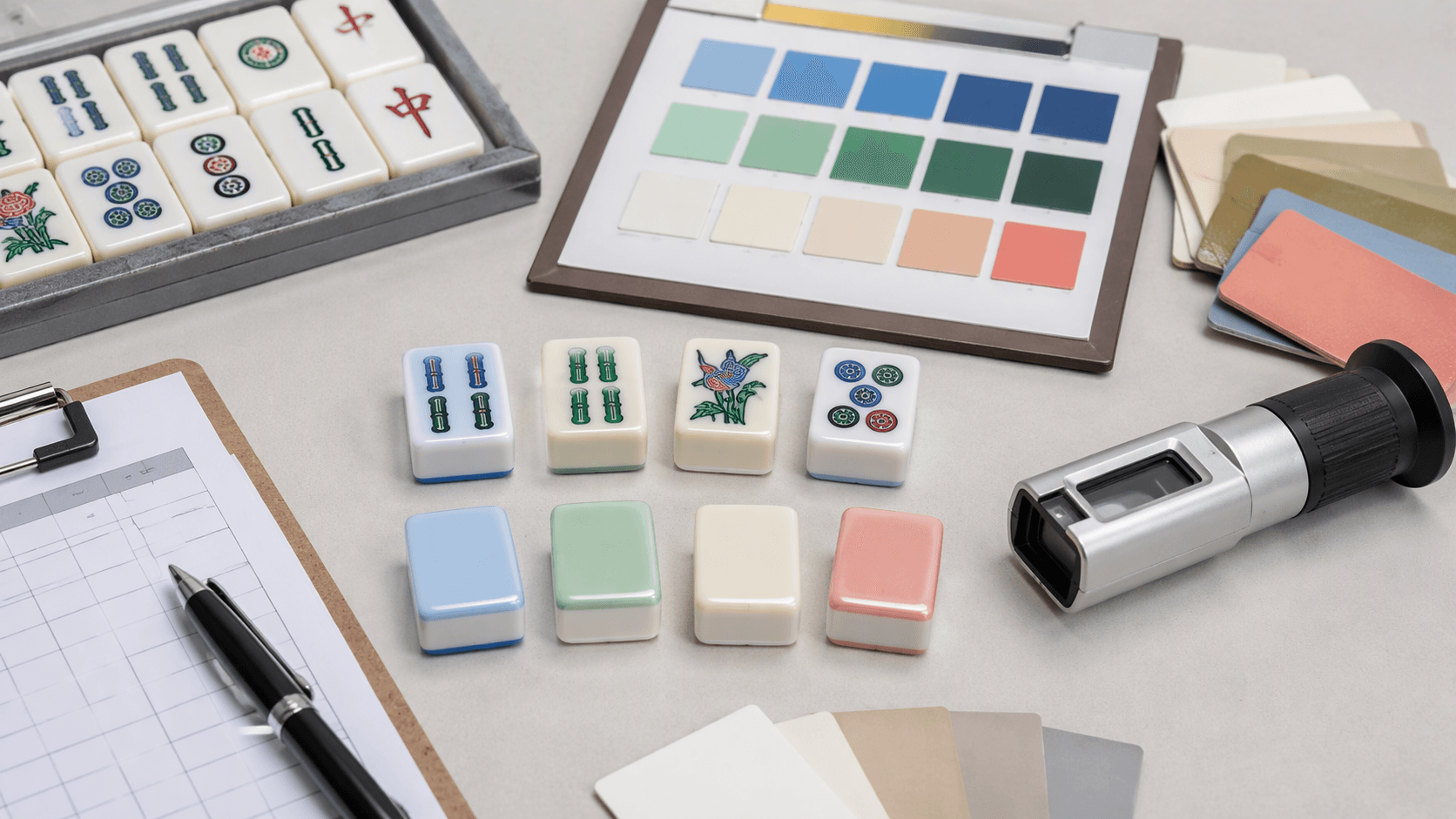
Pair the sample with a face map or color schedule. State which areas must match tightly, which areas may use a defined variant, and which areas are intentionally different. If the design includes several tile colors, list them separately. The supplier should be able to point from a production sample to the exact control reference without relying on memory.
2. Define the light and viewing conditions
Compare samples in a clean, neutral environment before looking at them on a phone or colorful workbench. Record the light source, approximate color temperature or approved booth setting, background, viewing angle, distance, and whether the sample is clean and free of film. Use the same setup for the golden sample, first production check, final inspection, and reorder comparison.
Inspect both direct appearance and normal use. Hold tiles at the distance a player will see them, place adjacent faces together, and compare the front, back, edge, and any printed or engraved fill. A translucent or glossy tile may appear to change as it moves. That is a product behavior to evaluate, not a reason to hide the sample under one fixed photograph.
3. Use measurement as supporting evidence
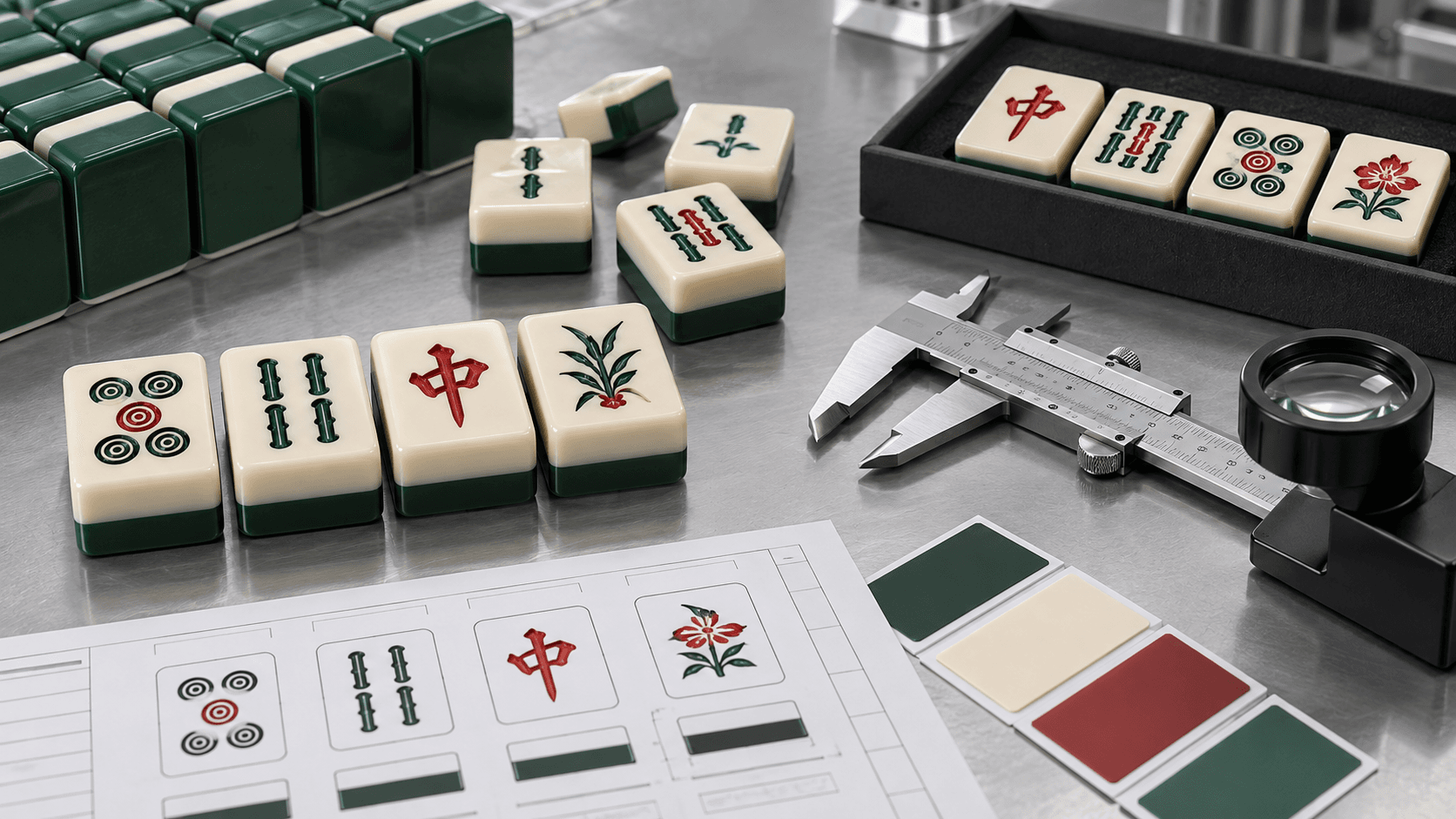
When the material and finish make it useful, record an instrument method and repeatable measurement location. Identify the instrument, calibration or verification status, substrate, surface condition, number of readings, and comparison method. Do not insert a universal numeric tolerance just because one looks professional. The appropriate tolerance depends on the material, decoration, color, surface, customer expectation, and process.
Visual and instrumental checks answer different questions. Instrument readings can detect drift that the eye misses, while a visual review can reveal a mismatch caused by gloss, texture, translucency, edge exposure, or surrounding colors. A release rule should state what happens when the two methods disagree. For example, the lot may require a technical review and buyer approval before shipment rather than an automatic pass.
4. Check the process at sample, first-off, and lot stages
Color control should appear at several points in the production flow. At sample approval, confirm the reference. At first-off production, confirm that the material, tooling, ink, pigment, or fill method behaves as expected. During the run, check for drift after a material change, machine adjustment, shift handoff, or supply replenishment. At final inspection, link each finding to the lot and carton rather than recording only “color OK.”
For lot sampling, define how units are selected so the inspector does not choose only the most convenient or attractive pieces. A practical plan can spread observations across cartons, production times, tile faces, and color-critical components. The sample plan should be consistent with the agreed standard and risk. It should also state whether a critical appearance defect triggers a stop, a 100% sort, rework, or buyer decision.
5. Protect reorder compatibility
A successful first order is not the end of color control. Store the approved sample away from sunlight, heat, dust, and handling damage. Record its location, condition, and replacement rule. Keep the artwork revision, material, finish, process, and measurement method with it. When a new batch is planned, compare it with the original before committing to production.
Reorder review should include a side-by-side check under the agreed light and a comparison of any instrument records that are genuinely comparable. If a material source, pigment, coating, printing method, or tooling changes, treat the change as a new approval event. A new sample may be needed even when the product name and artwork file are unchanged.
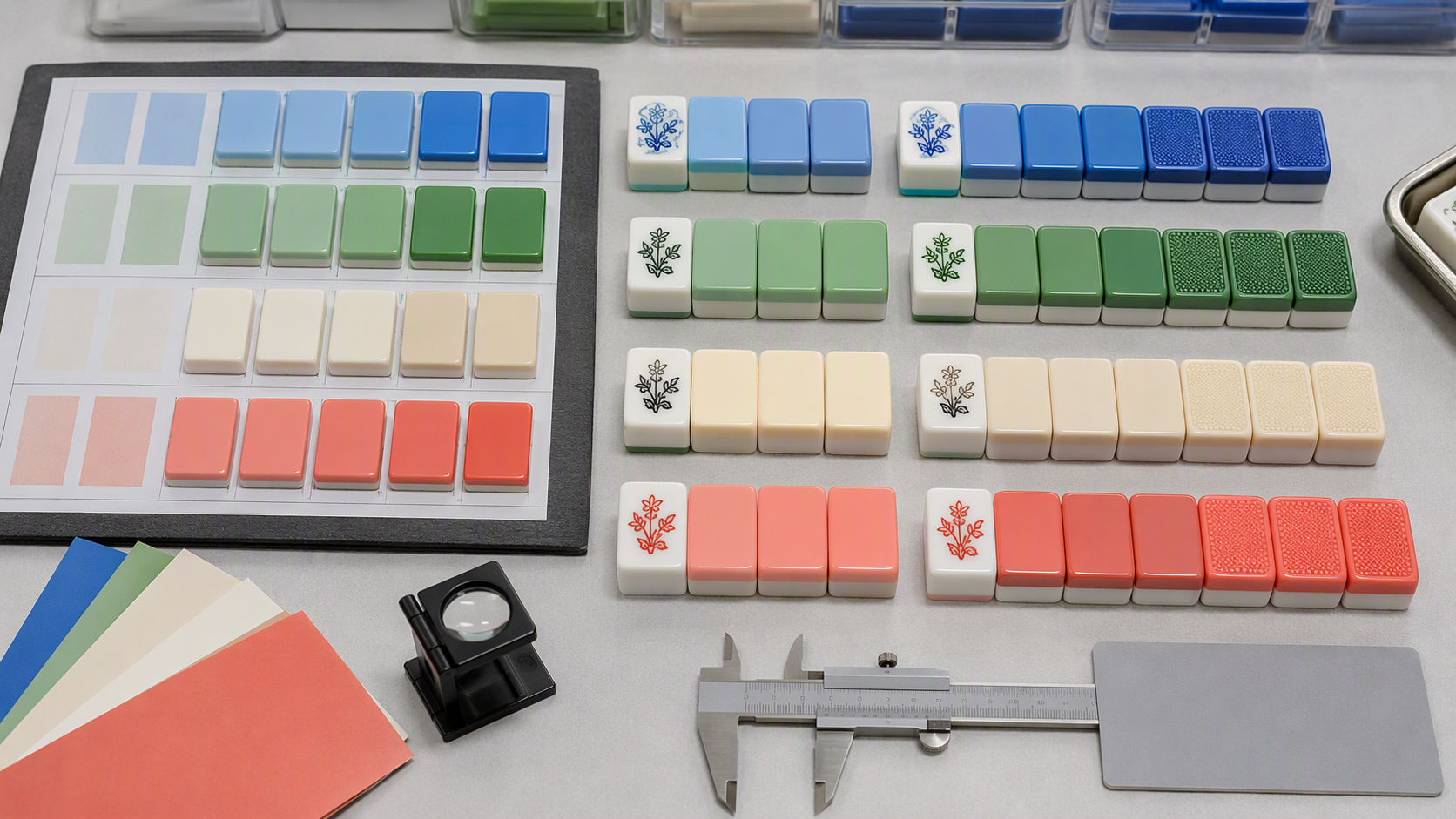
Records to request before release
A color claim is useful only when someone can trace it to a document. Ask for the records required by the order and store the approved version with the purchase file. Keep the language factual: a record can show what was checked without claiming that every shade variation has been eliminated.
| Record | Minimum useful fields | Buyer decision it supports |
|---|---|---|
| Approved color control sheet | Sample ID, date, material, finish, artwork revision, component, approval names. | Which reference governs the production lot. |
| Lighting and measurement method | Light source, background, viewing angle, instrument, calibration check, reading location. | Whether two comparisons were made on a comparable basis. |
| First-off approval record | Production line, batch, operator or shift, sample images, deviations, disposition. | Whether the process started within the approved range. |
| Lot inspection report | Lot identity, sample selection, face or component coverage, defects, photos, result, signer. | Whether the shipment can be released, held, sorted, or escalated. |
| Reorder change log | Material, supplier input, pigment or ink, tooling, process, sample comparison, approval. | Whether a repeat order needs a new sample or revised reference. |
Use the broader Mahjong Color Matching Service guide to organize sample approval, and connect the result to the Mahjong AQL inspection checklist when color is one of several defect classes. For a new branded set, the custom Mahjong workflow should carry the approved color reference into artwork, sampling, packaging, and reorder decisions. Use ABC Mahjong's quote contact when the specification needs business confirmation.
Warning signs that deserve escalation
- The supplier sends only a screen image or a heavily edited photograph instead of a physical reference.
- The control sample has no ID, revision, date, material, or approval record.
- Color comparisons are made under changing lights or against different backgrounds.
- The report says “pass” but does not identify the lot, cartons, sample selection, or signer.
- A material, pigment, coating, printer, mold, or decoration process changes without reapproval.
- Instrument readings are presented without the method, location, calibration check, or comparable reference.
- The supplier proposes to release a mixed lot while asking the buyer to decide from one attractive sample.
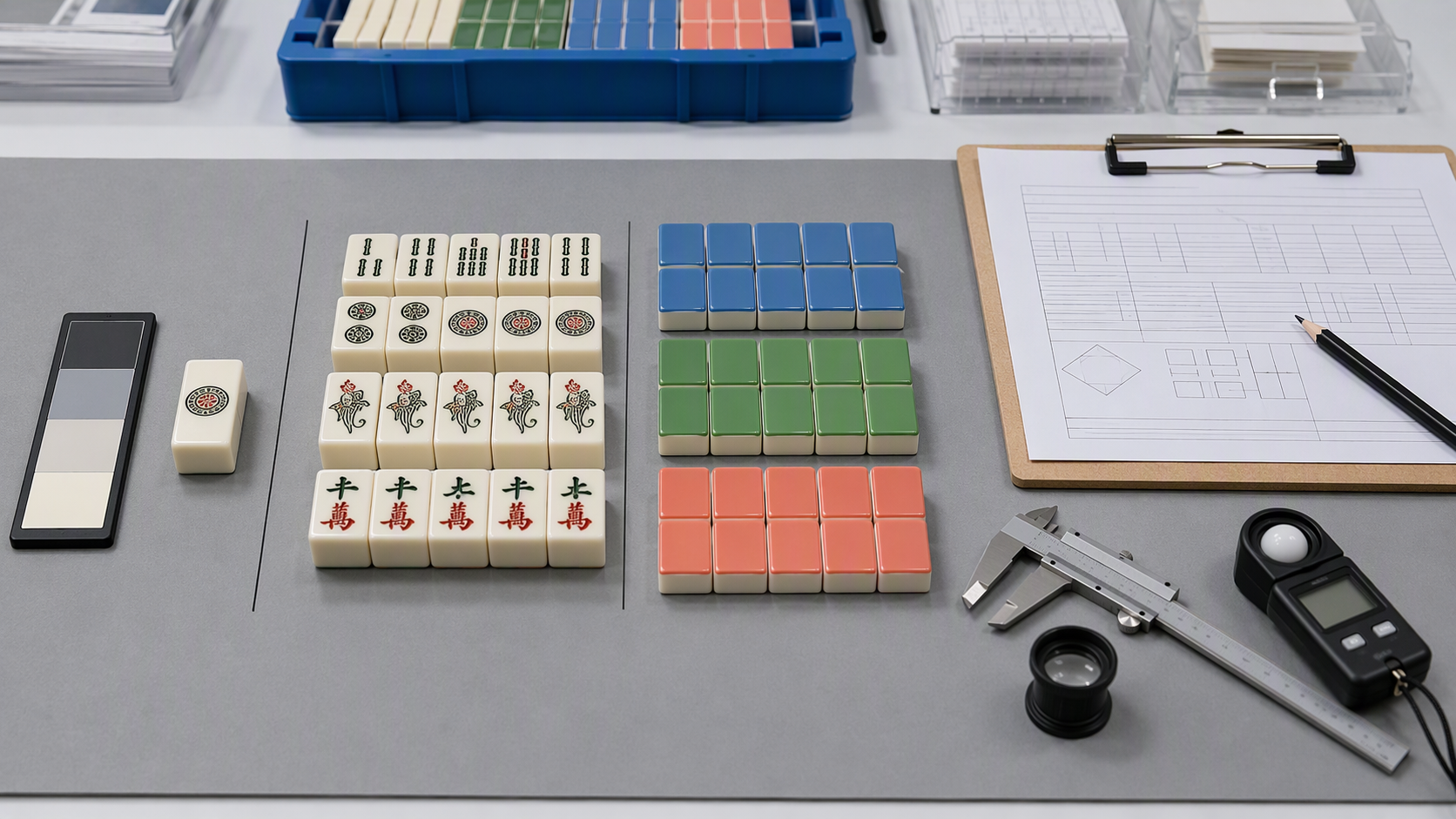
Short conclusion
A dependable mahjong color consistency inspection process turns a subjective complaint into a controlled decision. Approve a physical reference, define the viewing conditions, use visual and measurement evidence appropriately, sample the real lot, preserve records, and reapprove meaningful changes. The result is a clearer path to repeat orders that look like the product the buyer approved.
FAQ
What should be used as the approved color reference?
Use an identified physical sample that represents the actual material, finish, decoration method, and component being ordered. Keep its ID, date, artwork revision, and approval record with the purchase file. A digital image can support the record, but it should not silently replace the physical reference when appearance is commercially important.
Can a Pantone code alone control Mahjong tile color?
A color code can make a brief more precise, but it does not capture every effect of substrate, coating, gloss, translucency, print method, or lighting. Treat the code as one input and approve a physical production-relevant sample under defined conditions.
How should a buyer compare samples under different lighting?
Choose the light sources that matter to the product, document them, and compare the same reference and production sample in the same setup. Review the tile at normal playing distance as well as close up. If the result changes materially between conditions, record the risk rather than selecting the most flattering light.
Does an AQL sampling plan define acceptable color variation?
No. A sampling plan helps define how units are selected and how observed defects are evaluated for a lot. The color specification still needs the reference, method, tolerance or visual rule, defect classification, and disposition. The buyer should state which standard and edition applies to the order.
When is an instrument reading useful?
It is useful when the material, surface, color, and measurement method produce repeatable data that can be compared with the approved reference. Record the instrument and method. Do not treat a number as decisive when gloss, texture, translucency, geometry, or viewing conditions make the number non-comparable to the customer’s visual experience.
How many tiles should be checked from a production lot?
There is no universal number that can be responsibly inserted without the lot size, inspection level, defect classes, risk, contract, and applicable sampling plan. Define the lot and use the agreed plan. Also make sure the selected pieces cover relevant cartons, production times, faces, and color-critical components.
What should happen when visual and instrument results disagree?
Put the disposition rule in the quality plan before the dispute. The lot may need a second review, a method check, additional sampling, a retained sample comparison, rework, sorting, or buyer approval. Do not change the pass rule after seeing the result.
How should a buyer handle a supplier material change?
Ask for the change description, reason, affected components, risk assessment, and a new comparison sample. A material, pigment, coating, printer, tooling, or process change can alter appearance even when the artwork file is unchanged. Release the change only after the buyer’s approval record is updated.
How can a reorder be compared with the first batch?
Retain the original control sample and its condition record. Compare the reorder beside it under the same light, background, viewing angle, and method. Check that the material, finish, decoration process, and artwork revision are still comparable. Escalate a difference that exceeds the agreed rule before packing the full order.
What should a mahjong color consistency inspection report include?
At minimum, include the product and lot identity, control sample ID, artwork revision, material and finish, inspection date, light and measurement method, sample selection, findings, photographs where useful, defect classification, disposition, and the names of the people who performed and approved the review. A report without traceability is difficult to use in a reorder or claim.