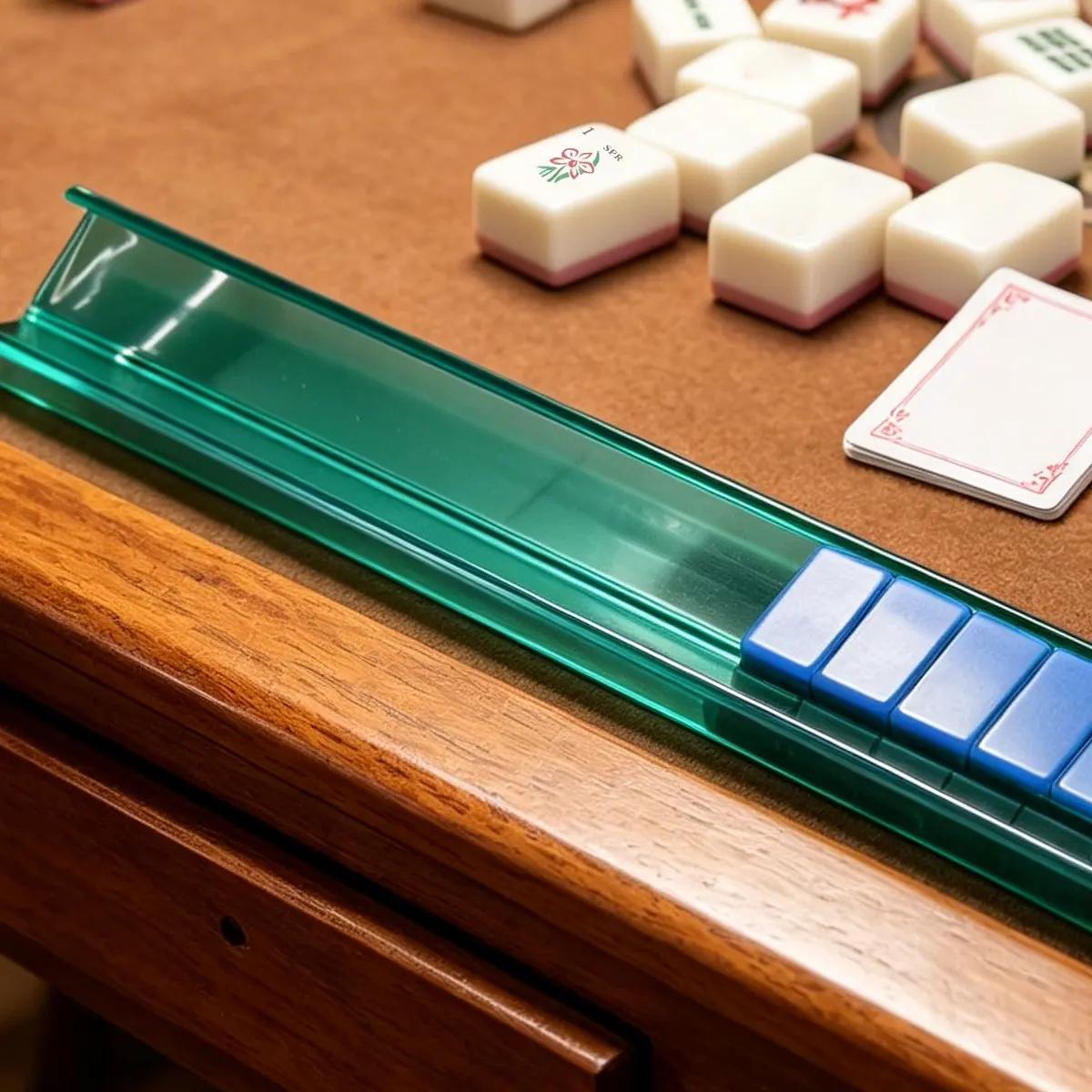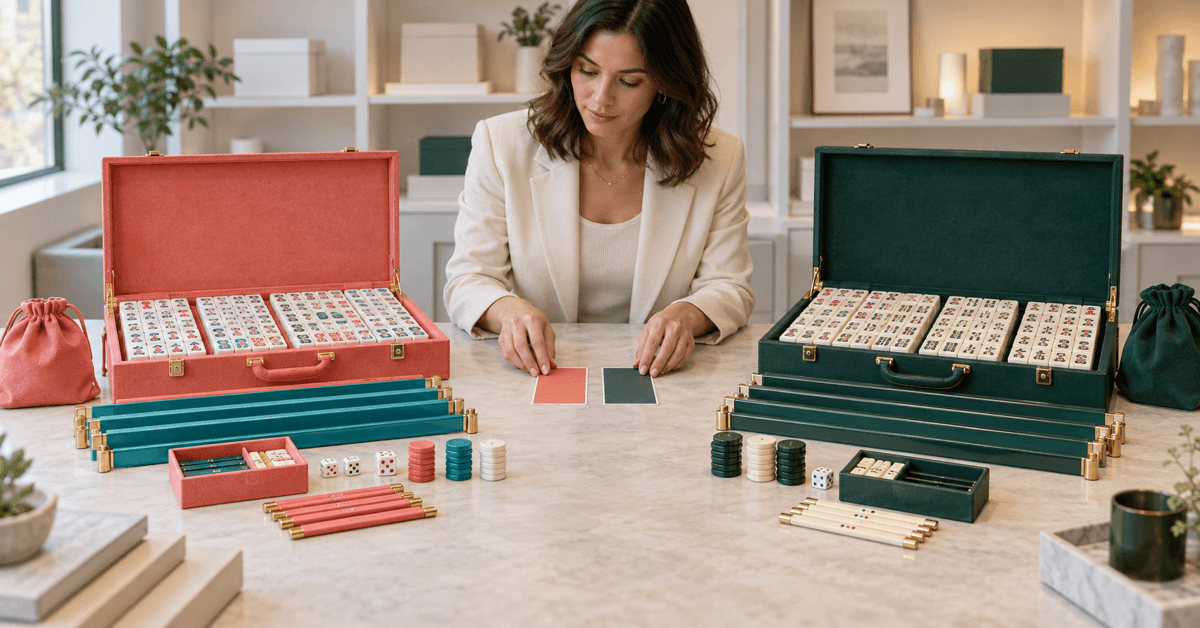

A mahjong sample approval process should turn a physical object into a precise production decision. The reviewer compares the sample with released requirements, records differences, separates corrections from new requests, and states whether the project is approved, conditionally approved, or rejected for revision.
The red pen arrives before the parcel
Prepare the review sheet while the sample is being made. If the team waits until the courier arrives, attention goes to whatever looks most striking first. Important checks such as repeat counts, back orientation, insert fit, or carton marks can disappear behind a general reaction to color.
The sheet should carry the project code, sample revision, date, reviewer, approved specification, artwork release, and sample purpose. A color sample, engineering sample, decorated sample, and packed pre-production set answer different questions. Label the purpose so nobody approves more than the sample proves.
Unpack without destroying evidence
Photograph the parcel before opening if transit condition matters. Record the carrier condition, outer carton, closure, void fill, retail box, insert, and product in sequence. Keep labels and packing materials until the review is closed. A cracked corner may be a product issue, a packing issue, or shipping damage; the unpacking record helps the team investigate.
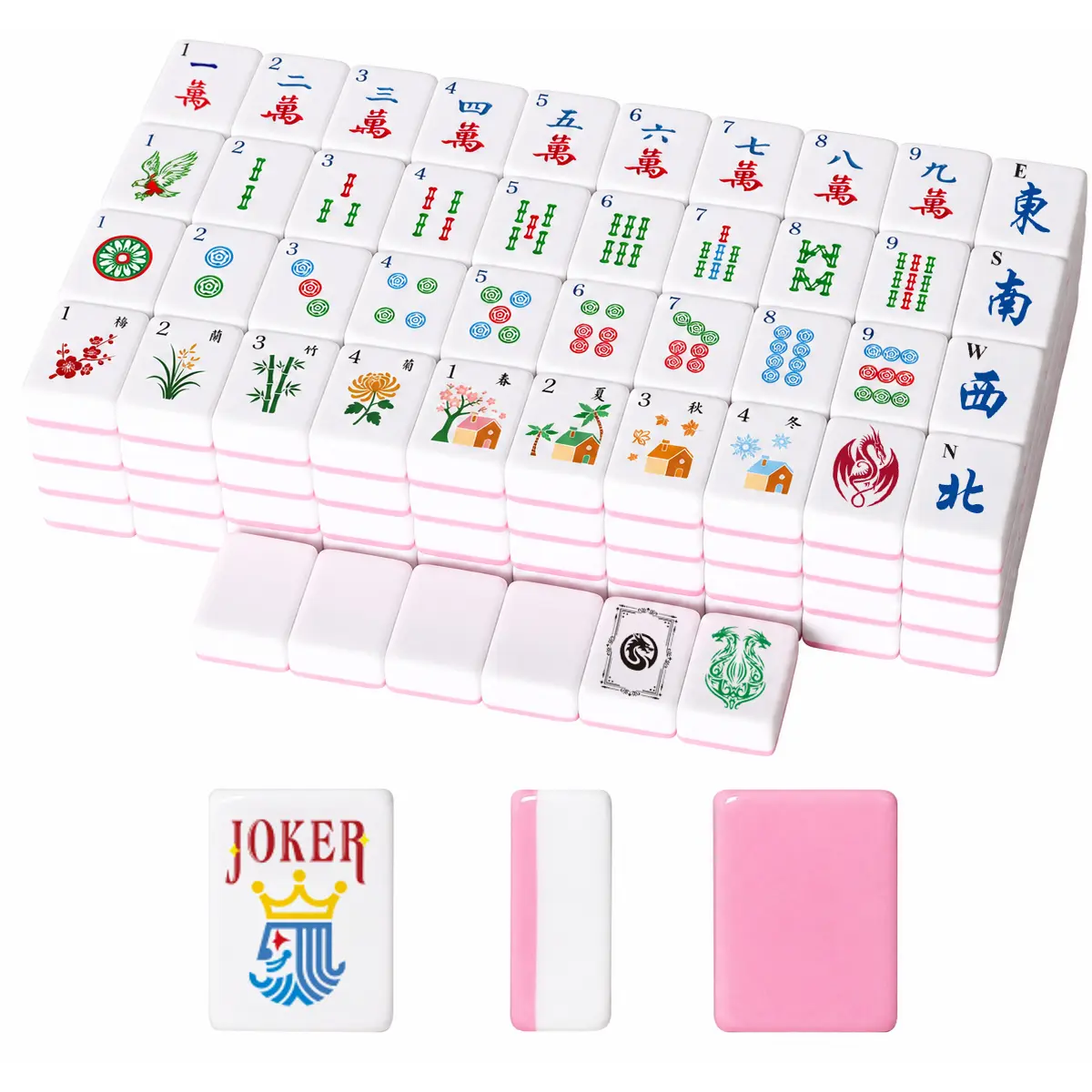
Count every component before evaluating appearance. Use the approved bill of materials and face schedule. Do not rely on memory, especially when jokers, blanks, flowers, spares, dice, racks, pushers, manuals, and storage pieces are involved.
Review in five passes
| Pass | Question | Evidence |
|---|---|---|
| Identity | Is this the correct project and revision? | Label, filename, date, supplier record |
| Completeness | Does the set contain every approved component and quantity? | Count sheet and photographs |
| Specification | Do dimensions, construction, colors, and finish match the requirement? | Measurements and physical references |
| Use | Can pieces be recognized, handled, stored, and used as intended? | Short functional review with named users |
| Pack | Does the final configuration hold, present, label, and ship correctly? | Packed sample and carton record |
Keep the order. It makes little sense to debate a subtle finish while an entire face is missing. The review can stop and restart after a fundamental identity or completeness failure.
Use a mahjong sample approval process with observable language
“Looks cheap” cannot guide a correction. “Red fill is missing from the upper line on face BAM-07” can. Describe what is present, where it appears, and how it differs from the approved reference. Add a photograph with a scale or orientation marker when useful.
| Weak comment | Review-ready comment | Required decision |
|---|---|---|
| Color is wrong | Back color is visibly warmer than approved chip P-02 under the agreed light | Correct to reference or approve deviation |
| Logo too small | Logo width measures 11 mm; released proof specifies 14 mm | Correct position file and resample |
| Box feels weak | Lid wall bows when the packed set is lifted from two sides | Review structure and packed-use test |
| Some tiles are bad | Three listed tiles show fill outside the recessed border | Classify defect and review process control |
| Please improve | Insert cavity allows the two dice to leave their compartment after handling | Change retention and repeat packed test |
Corrections and preferences belong in different columns
A correction brings the sample back to an approved requirement. A preference changes that requirement after the buyer sees the result. For example, an incorrect spelling is a correction. Making the approved type larger because the team now prefers it is a design change. Both are legitimate, but they have different effects on responsibility, cost, and time.
Add a column for classification: nonconformance, clarification, buyer change, or future idea. This keeps the current revision focused and prevents every thought from becoming an urgent production instruction.
Color approval needs a viewing rule
Screen images are useful for communication, not final physical color judgment. State the light, background, and physical reference used for comparison. Review neighboring colors together because their relationship may matter more than an isolated swatch.
If the sample material, surface, backing, or process differs from production, limit the approval to direction. Record what remains open. “Pink approved” is unsafe when nobody states whether the approval applies to the resin, printed ink, fill, box, or all four.
Playability is a short test with a written purpose
Ask representative users to identify faces, handle the tiles, use the planned racks or pushers, and return everything to storage. Note recurring hesitation rather than collecting general opinions. If numerals or English labels serve a specific audience, invite someone from that audience who did not work on the design.
This review does not certify compliance or predict years of use. It checks whether the approved design works for the immediate product purpose and reveals questions before production release.
The golden sample is useful only when controlled
When a physical sample becomes the production reference, label it with project, revision, date, and approval scope. State whether the buyer and supplier each retain a matching reference. Photographs should accompany it, but photographs do not replace dimensions, color references, or a face schedule.
Protect the reference from casual use and note any characteristics that may change in storage. If a later approved sample replaces it, retire the earlier version clearly.
For a remote team, create a sample custody record. Note who received each piece, whether it was forwarded to a designer or laboratory, and where it will be stored after approval. This sounds administrative until two departments compare different revisions and both call theirs final.
Sample approval is not final lot acceptance
A development sample establishes requirements; shipment inspection evaluates production against them. These are related but different activities. ISO's current ISO 2859-1:2026 overview describes AQL-indexed acceptance sampling schemes for lot-by-lot inspection. Buyers using such a plan need to define lot, inspection level, defect classes, AQLs, and acceptance rules with qualified quality professionals.
Do not paste an AQL number into the sample sheet and assume quality is controlled. The specification must first describe what counts as a defect. Critical legal or safety requirements may need different controls, testing, or 100% checks depending on the product and market.
Close the review with one status
- Approved: the defined sample scope is released with no open production changes.
- Conditionally approved: listed changes may proceed without another full sample only if the responsible parties agree on proof and risk.
- Revise and resubmit: a new sample or defined component is required before release.
- Rejected: the sample does not represent an acceptable direction and the brief needs reconsideration.
Name the approver and record the date. If more than one department must sign, list each scope: brand, technical, packaging, legal, or commercial. Silence is not approval.
Do one last consistency check before sending the release. The status on the review sheet, email subject, artwork folder, purchase record, and supplier acknowledgement should point to the same revision. Correct any mismatch while the team still remembers the decision.
The review file that should remain after the meeting
- Sample identity and purpose
- Released specification and artwork filenames
- Complete count sheet
- Measurements and reference comparisons
- Numbered photographs linked to observations
- Corrections separated from buyer changes
- Owner and due date for every open point
- Final status and approval scope
- Updated revision log
- Location of retained physical references
FAQ
Who should attend the sample review?
Include the people authorized to approve product, artwork, packaging, and commercial changes. Invite an intended user when legibility or handling is important.
Can a sample be approved from photographs?
Photographs may close layout questions, but they cannot fully prove dimensions, physical color, finish, feel, fit, or packing performance. Define what remote evidence can approve.
What should be measured first?
Measure the characteristics tied to fit and product identity: tile dimensions, relevant accessory fit, insert cavities, box dimensions, and any controlled artwork position.
How many reviewers are too many?
The problem is not the number but conflicting authority. Use one consolidated review record and name the final decision owner for each scope.
Should every visual difference cause rejection?
No. Compare the difference with approved requirements, tolerances, defect classes, intended use, and risk. Record any accepted deviation explicitly.
When is a second sample necessary?
Request one when the change cannot be verified reliably by a limited proof, affects fit or function, changes material or process, or carries meaningful brand or commercial risk.
Can the same sample approve several colorways?
It can approve shared construction if stated, but it cannot prove unmade colors or their contrast. List exactly which characteristics and variants are covered.
What is conditional approval?
It releases work subject to clearly listed conditions and an agreed verification method. It should not be used to hide unresolved major issues.
How should a missing tile be recorded?
Use the face ID, expected quantity, actual quantity, sample revision, and a count-sheet photograph. Then determine whether the issue is a sample packing error or a configuration misunderstanding.
Does a golden sample replace the specification?
No. It complements controlled documents. Some characteristics are easier to show physically, while quantities, dimensions, files, and responsibilities still require written records.
Send a reviewable brief before requesting the sample
ABC Mahjong supports custom designs, samples, colors, molds, packaging, and coordinated accessories. Review the customization options, browse the product range, and read about the company. Submit the configuration, released files, quantity, destination, and sample purpose through the contact page so the team can plan a documented mahjong sample approval process around the actual project.