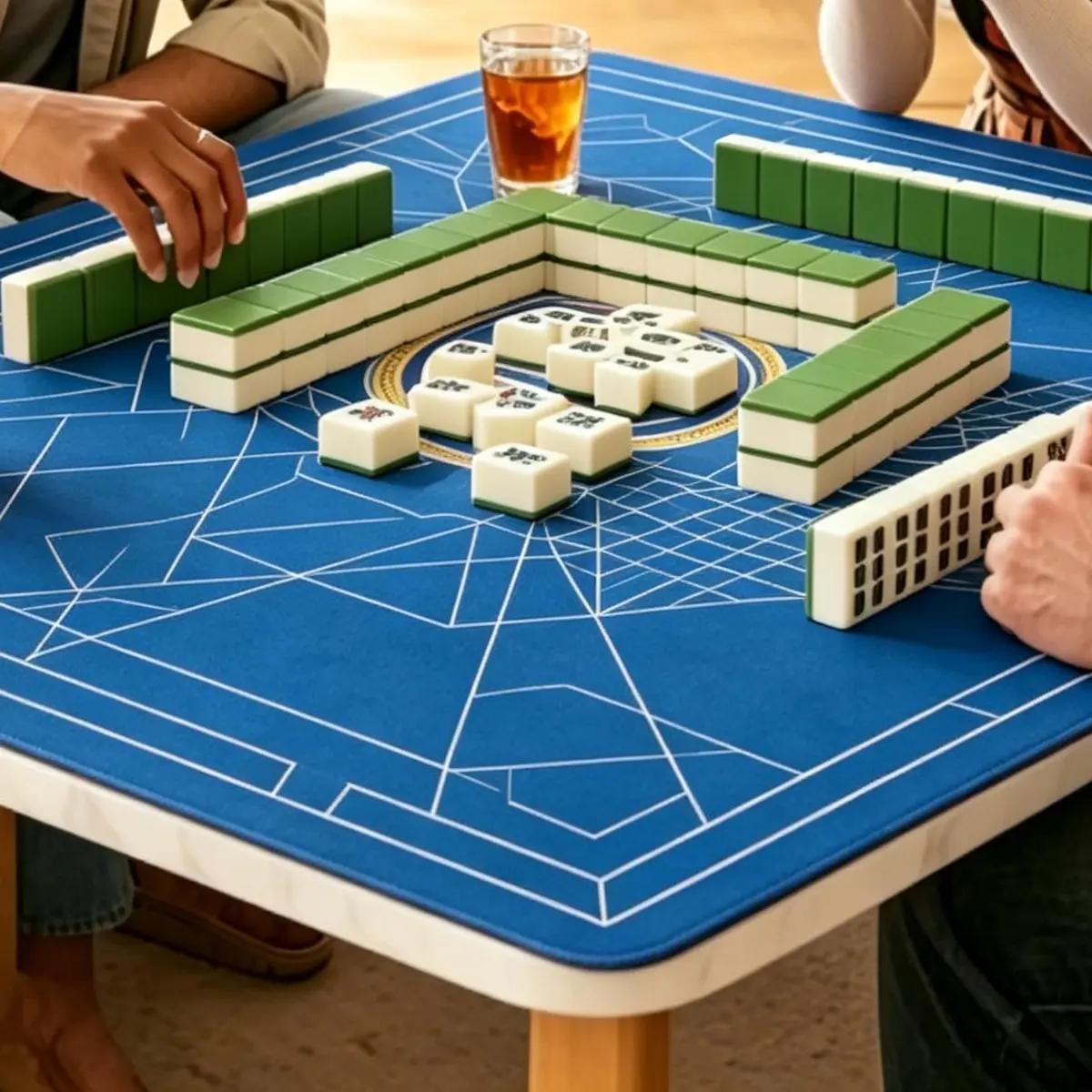

A mahjong tile back design is more than a decorative repeat. It affects orientation, recognition, surface finish, packaging photographs, inspection, and whether a later production run still feels like the same collection.
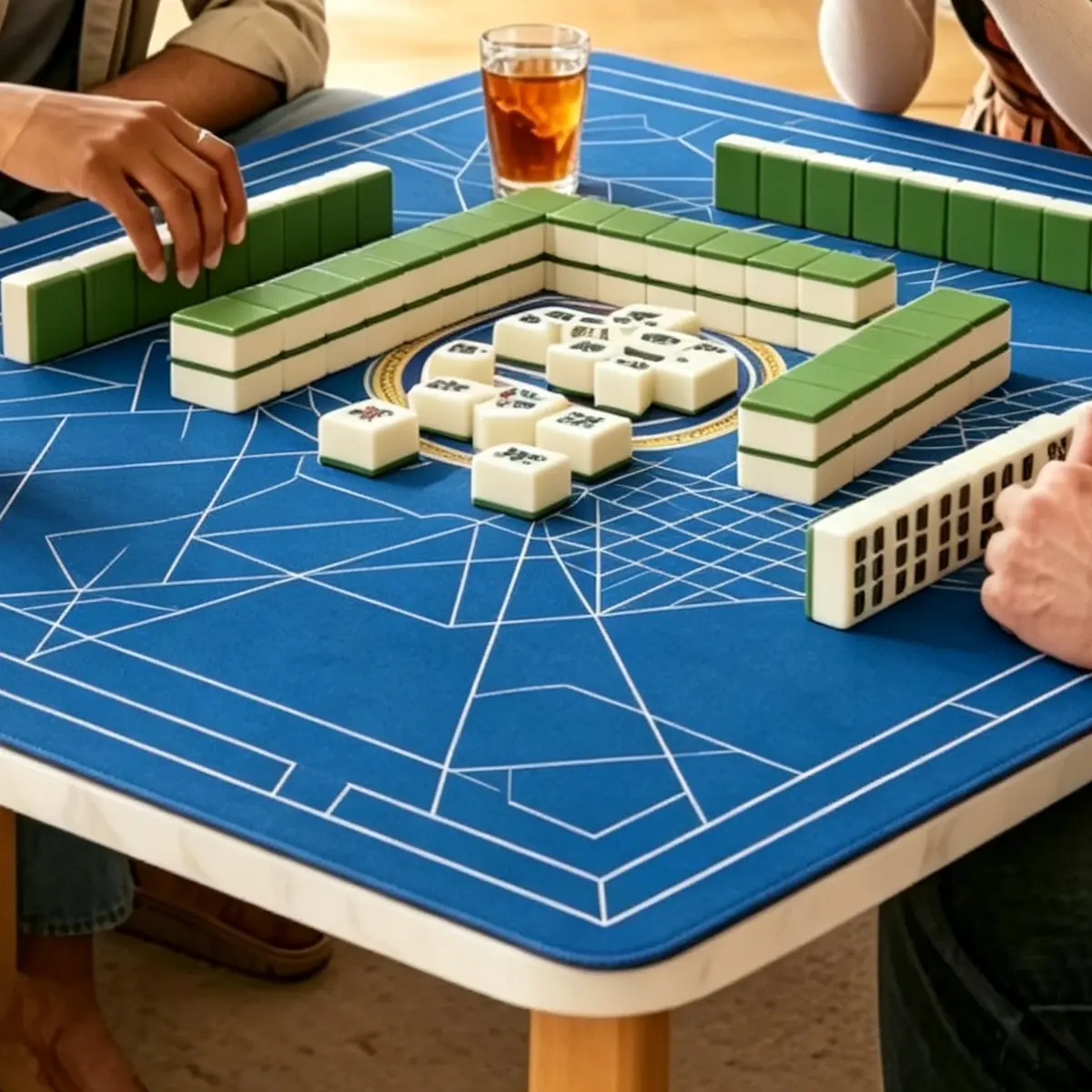
Define what the back must do
Ask where the tile will be handled, how it will be photographed, and what recognition the buyer wants at the table. A club set may favor quick identification and durable contrast. A gift set may use a subtle pattern that connects to the box. A private-label line may need a repeatable mark without turning the back into a crowded logo panel.
Write the functional goals before sketching motifs: hide face information, support consistent orientation, tolerate normal handling, fit the tile envelope, and remain identifiable after packaging and storage.
For a buyer, mahjong tile back design is also a recognition system. It should help a team tell an approved collection from a trial, a current revision from an old one, and a genuine service piece from an unverified substitute. That does not mean placing a large logo on every tile. It means defining the few visual and physical cues that matter, documenting them, and checking them under ordinary table light. The result is a back that supports play, merchandising, and future production without asking staff to rely on memory.
Separate artwork from physical control
| File layer | What it defines | Review question |
|---|---|---|
| Motif artwork | Shapes, line weights, repeat, and color intent | Is the pattern distinctive at playing distance? |
| Safe area | Clearance from tile edges and corner treatment | Will trimming or radius remove a key mark? |
| Orientation guide | Top, bottom, rotation, and registration | Can production place every repeat consistently? |
| Finish note | Gloss, matte, texture, print, inlay, or recess | Does the physical surface support the intended look? |
| Inspection proof | Approved sample, color reference, and defect limits | Can a checker make the same decision? |
Keep the working file, output file, and proof linked by revision. A screenshot pasted into an email may be useful for discussion, but it should not become the only production reference.
Design for the tile envelope
Measure the usable back surface after accounting for bevels, corners, seams, inserts, or transparent layers. Keep important marks away from the edge. Show the artwork at actual scale beside a physical blank tile so the team can judge visual density and handling.
Check the design on several positions, not one perfect sample. A slight registration shift can be invisible on a simple field and obvious when a border or radial mark approaches the edge. Decide which variation is acceptable before mass production.
Choose repeat and orientation intentionally
A symmetric repeat may look elegant but reveal a rotation error if the center mark is not centered. A directional motif can help a player orient a tile, yet it may make every placement visibly aligned. Decide whether rotation should disappear or become part of the design language.
For a pattern with a border, define the corner join and the expected relationship between adjacent edges. For a central emblem, define its position, scale, and clear space. The production file should answer these questions without a designer being online.
Coordinate material, color, and finish
Opaque, translucent, polished, and textured bodies reflect the same ink or inlay differently. Confirm whether the back color is in the body, printed, painted, or layered. Note the finish and the viewing light used for approval. A screen color is an artwork cue; it is not a physical acceptance standard.
If the design uses a metallic, pearlescent, or transparent effect, specify the visual target and the acceptable range. Ask for a physical proof at the intended thickness and finish. Keep the approved piece protected from scratches so it remains useful for later comparisons.
Plan decoration and durability together
ISO 12944 is a coating-protection standard for steel structures, so it does not prescribe Mahjong decoration. Its official overview is still a reminder that a finish specification should name the environment and exposure it is intended to withstand; for tiles, define the actual handling trial rather than borrowing an unrelated rating.
Shuffle, stack, rack, wipe, and pack the decorated sample using the expected customer routine. Look for rub, edge lift, color transfer, gloss change, and marks that affect recognition. Record the number of cycles and the condition of the sample so the result can be repeated.
Protect brand recognition without crowding the face
A back pattern can carry a brand cue through color, repeat, or a small controlled mark. Decide whether the mark must be readable, merely recognizable, or absent during play. Keep the mark consistent with the box, case, mat, and digital product photography without forcing every surface to carry a logo.
Confirm rights for supplied artwork and keep the approved source with the purchase file. A third-party image or unlicensed emblem can create a commercial problem long after the samples look finished.
Make inspection visual and measurable
| Check | Reference | Record | Typical response |
|---|---|---|---|
| Pattern identity | Approved proof and sample | Correct motif and revision | Segregate wrong artwork |
| Registration | Safe-area or position guide | Shift, edge loss, orientation | Sort or rework by agreed limit |
| Color and finish | Physical reference under named light | Range, gloss, surface marks | Hold for review or approve range |
| Durability | Handling trial method | Cycles and observed change | Investigate process or material |
| Pack protection | Released insert and wrap | Rub or movement after handling | Adjust retention before shipment |
Photograph defects with the tile ID, lot, light, and orientation visible. A close-up without context can make a normal edge transition look like a process failure.
Compare back-design approaches
A plain field may be the easiest to reproduce, while a fine line pattern can create a premium impression but require tighter registration. A molded texture can reduce ink dependence but may change cleaning and cost. A buyer should compare these choices against the channel and reorder plan.
- Printed repeat: flexible artwork with clear proof and wear review.
- Inlaid or layered color: strong physical depth with more material and process decisions.
- Molded relief: tactile identity that needs careful tool and cleaning review.
- Minimal solid back: simple recognition and efficient inspection, with less visual distinction.
Lock the reorder record
Archive the vector file, output file, color reference, finish note, safe-area drawing, approved sample, inspection photos, and packaging arrangement. Give the back a clear art ID and revision that also appears in the product specification.
When a later run changes material, printer, mold, or finish, repeat the comparison rather than assuming the file guarantees the same result. The record should make a controlled change easy to see and an accidental drift difficult to hide.
Send a complete design brief
ABC Mahjong's custom service supports original artwork, colors, molds, packaging, and coordinated accessories. Review the product range, then share tile dimensions, target market, design files, finish, quantity, and sample questions through the contact page.
Keep one printed or physical back reference with the production file. It gives a new inspector a fast way to understand scale, edge behavior, and finish before reviewing a larger sample. The reference is not a substitute for the inspection limit, but it makes the limit easier to apply consistently when a project moves between teams.
FAQ
What should a tile back design communicate?
It should support recognition, orientation, handling, and the brand's visual promise while staying compatible with the physical tile envelope and production method.
How much edge clearance is needed?
The safe area depends on tile size, corner treatment, process registration, and the visual risk of edge loss. Approve a dimensioned guide beside a physical sample.
Can the same artwork work on every material?
Not automatically. Opacity, texture, thickness, gloss, and decoration method alter appearance. Test the artwork on the material and finish that will ship.
Should the back pattern be directional?
That is a product decision. A directional mark can aid orientation, while a rotational pattern can feel neutral. Define the intended behavior before approving the repeat.
How is color approved for a back?
Use a named physical reference, viewing condition, finish, and range decision. A digital file can carry intent but should not be the only acceptance evidence.
What durability test is appropriate?
Use the expected routine: shuffle, stack, rack, wipe, and pack the decorated pieces. Record cycles, method, environment, and observed changes.
Can a logo be placed on the back?
Yes when the buyer controls the artwork rights and decides the desired visibility. Keep the mark within the safe area and confirm how it will repeat across the set.
How should a production defect be photographed?
Include tile identity, lot, revision, orientation, light, and a wider reference view. A context-free close-up is difficult to classify consistently.
What files should be archived?
Keep source artwork, production output, safe-area drawing, color and finish notes, approved sample ID, inspection evidence, and packaging reference under one revision.
Where can a brand request a back-artwork sample?
Send the tile dimensions, target process, artwork status, quantity, finish, and destination through the supplier's custom project inquiry.
Make the back a controlled brand asset
Read about ABC Mahjong and ask for a design review through the contact page. A clear mahjong tile back design brief helps a B2B buyer protect recognition on the first run and keep the same visual language on the next one.