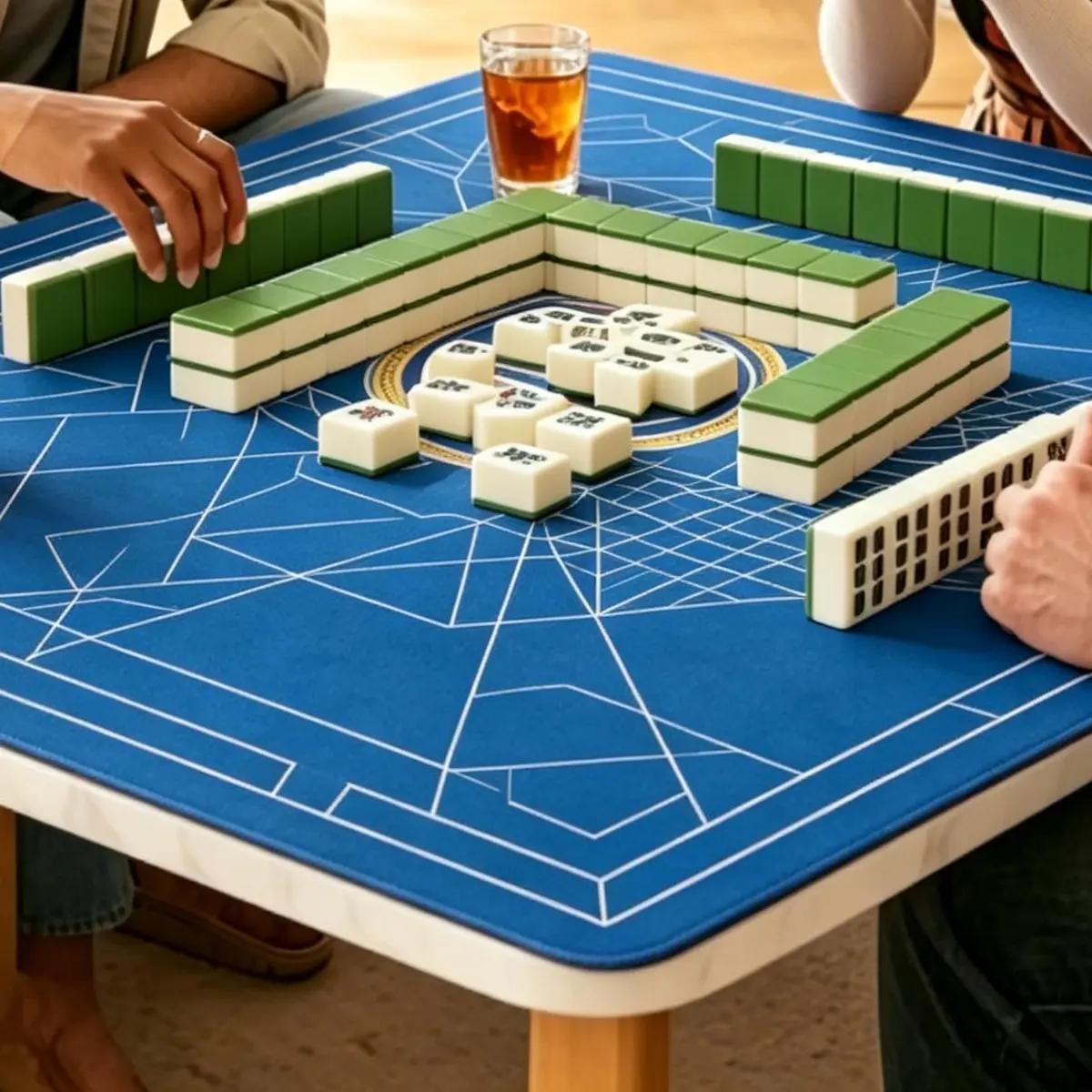

The practical answer to how to start a Mahjong business is to begin with one clearly defined buyer, one sellable product configuration, and one supplier relationship you can verify. A logo and a product image are not enough. The first order must prove demand, fit the chosen channel, survive shipping, and leave enough margin for returns, support, and the next production run.
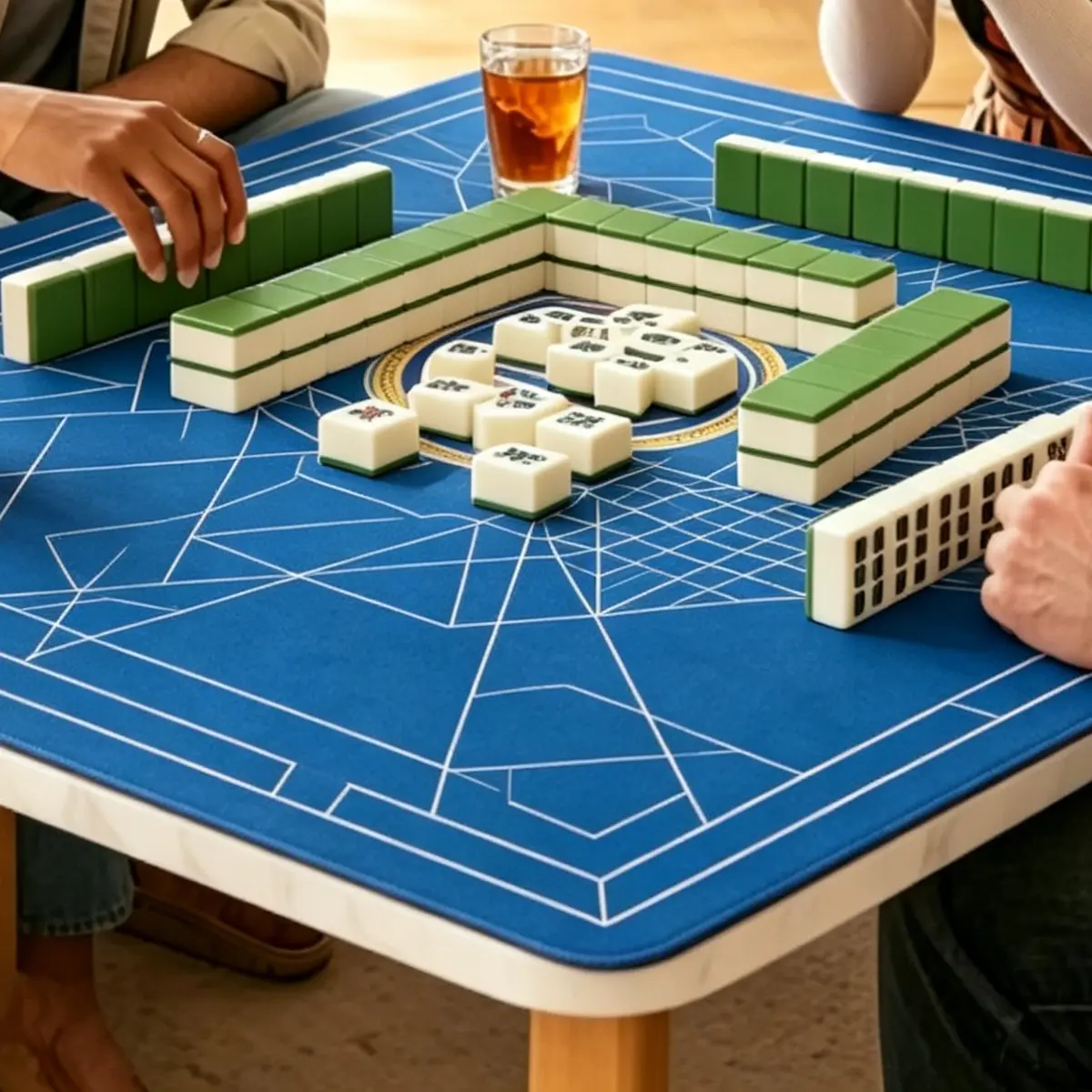
Start with the customer and sales channel
A Mahjong product can be sold as a game, a gift, a club item, or part of a branded collection. Those are different businesses. A specialty retailer may care about shelf presentation and repeat gifting. An online seller usually needs a compact package, clear product data, and a replacement plan. A club or tournament buyer may prioritize handling, tile legibility, and component consistency.
Write down the first customer in one sentence. For example: "I am launching a gift-friendly American Mahjong set for boutique retailers in the United States." That sentence is more useful than "I want to sell Mahjong sets worldwide." It tells the supplier which tile configuration, language, accessory set, and retail pack to price.
| Business route | What the buyer values first | Product implication | Proof before launch |
|---|---|---|---|
| Ecommerce brand | Clear listing, quick comparison, reliable delivery | Compact pack, strong imagery, replacement options | Landed cost and fulfillment trial |
| Gift or corporate channel | Presentation, personalization, delivery date | Gift box, insert, logo control, small accessory set | Physical gift sample and pack-out |
| Retail or boutique | Shelf appeal, margin, product story | Retail carton, branded case, channel-ready assortment | Retail sample and sell-through plan |
| Club or tournament | Playability, durability, set completeness | Regional rules, consistent tile feel, spare components | Play test and completeness audit |
Choose a product identity before a catalogue
Many new sellers begin with a supplier catalogue and then try to invent a brand around whatever is already available. This often produces a broad, inconsistent range. A stronger route is to choose one product idea that can be explained in a few seconds, then use existing production capability to make it practical.
Product identity includes more than tile artwork. Decide whether the buyer is purchasing a traditional game, a modern acrylic set, a travel product, a luxury gift, or a coordinated collection for a specific community. The choice influences tile size, set count, case structure, rack and pusher design, and the amount of packaging needed. It also changes the words used in product listings and the evidence a buyer expects.
ABC Mahjong's Mahjong product range shows how tiles and accessories can be coordinated as one product system. Use that as a reference for interfaces, not as a reason to launch every category at once.
How to Start a Mahjong Business with One Sellable SKU
The first SKU should be narrow enough to control but complete enough to use. A set that arrives without the correct racks, dice, instructions, or storage may create returns even when the tiles are well made. A set with too many new components creates more chances for a mismatch between the sample and bulk order.
Define the product at three levels: the tile system, the play system, and the retail system. The tile system covers rules version, tile count, dimensions, material, colors, and face treatment. The play system covers racks, pushers, dice, markers, rulebook, and case. The retail system covers labels, inner packaging, carton data, replacement parts, and product information.
| Launch decision | What to specify | Why it matters |
|---|---|---|
| Rules and set count | Target market, tile allocation, Jokers, flowers, or special pieces | Prevents a beautiful set from being unplayable for the audience |
| Tile and accessory fit | Length, width, thickness, rack clearance, pusher width, case space | Controls handling, stacking, movement, and damage risk |
| Material and finish | Acrylic or agreed material, transparency, color, engraving or print | Defines appearance, durability, cleaning, and cost |
| Brand inputs | Logo files, color targets, artwork rights, and approval owner | Keeps sampling and production tied to released files |
| Channel pack | Retail box, case, carton, label, barcode, and replacement pack | Connects the product to the route that will actually sell it |
A first SKU can remain simple without being generic. One tile format, one case structure, and one accessory package can still carry a distinctive color system and a controlled brand presentation. Fewer variables make it easier to compare quotations, inspect bulk production, and place a repeat order.
Write a specification that suppliers can quote
A quotation is only as useful as the brief behind it. Send the intended market, quantity, target retail price, product dimensions, material preference, tile artwork status, accessories, packaging direction, destination, and required delivery window. State which choices are fixed and which are open to the supplier's recommendation.
Create a master list for every visible face, back design, logo, label, and instruction page. Name the person who can approve a change. When artwork is revised after a sample, ask whether the revision affects the tool, print plate, color reference, packaging insert, or product listing. Those consequences should be visible before production starts.
A released specification is not a long document for its own sake. It is the record that explains what was approved and why. The Mahjong set specification guide explains how to turn commercial choices into a file that production and quality teams can use.
Validate the supplier and the total cost
Do not compare two quotations until both cover the same product. A lower unit price may exclude an accessory, use a lighter carton, separate the tooling charge, charge extra for color approval, or leave freight and inspection to the buyer. Ask for a cost breakdown that follows the product from raw material through packed carton.
Verify who owns the main processes. A supplier that controls tile production, decoration, assembly, and pack-out has fewer handoffs to manage. If some steps are outsourced, ask who remains responsible when a component arrives late or fails inspection. A factory visit, live process review, or structured audit can provide stronger evidence than a logo wall or an unattributed certificate image.
The manufacturer versus trading company guide offers questions that separate production ownership from sales presentation. For export planning, the U.S. Commercial Service Export Solutions resource is a useful starting point for understanding market requirements, documentation, and trade support.
| Cost layer | Questions to ask | Evidence to keep |
|---|---|---|
| Product | Are tiles, accessories, and assembly included at the quoted specification? | Quotation with revision number and component list |
| Tooling and artwork | Is the charge one-time, reusable, or tied to a specific product? | Ownership note, drawing, and change terms |
| Samples | Which sample stages are included or credited against the order? | Sample invoice, tracking record, and approval sheet |
| Packaging | Are retail box, case, carton, labels, and inserts fully specified? | Pack-out drawing and physical reference |
| Inspection | Who checks completeness, appearance, function, and carton condition? | Inspection plan, measurements, photos, and result |
| Delivery | Which Incoterm applies, and what is excluded from the landed estimate? | Freight quote, duty assumption, and delivery plan |
Use samples as decision gates
A sample is not a single event. Use separate gates for artwork, material and color, tile geometry, decorated tiles, the complete play system, retail packaging, and final pre-production confirmation. Each gate should answer a defined question and end with an approval, a rejection, or a requested change.
For a new business, the complete-set sample is especially important. Set it up as a customer would receive it. Play with the tiles, load the racks, use the pushers, open the case, read the rulebook, and inspect the retail box. Take measurements and write the results on the approval sheet instead of relying on memory.
The sample approval workflow can help a small team assign decisions before the factory needs an answer. Keep approved physical samples with their revision numbers, color references, and open-question notes.
Set a quality plan before production
Quality control should begin with the product specification, not with a last-minute inspection request. Define what a conforming set contains and how each characteristic will be checked. For tiles, that can include dimensions, face identity, print or engraving position, color consistency, edge condition, surface defects, and fit with the rack. For the complete product, check count, accessory function, packaging protection, labels, and carton data.
Use a written sampling approach rather than "check some pieces." Record the lot, sample size, acceptance rule, measurements, defect description, photos, and disposition. If a problem is found, decide whether it affects the whole lot, one component, one pack-out position, or only the packaging. The response should match the cause.
The four-gate quality control model and packaging checklist provide practical checks for a first production order. Keep the approved sample beside every inspection record so a new team member can compare the same references.
Plan launch and reorder as one system
The business does not end when the cartons leave the factory. Prepare the product listing, care information, assembly instructions, replacement policy, and customer-service answers before inventory arrives. Confirm that the product name, rules version, tile count, dimensions, material, and included accessories are consistent across the label, website, and marketplace listing.
Plan the second order while the first is still fresh. Record actual order quantity, yield, inspection findings, carton measurements, freight cost, damage reports, customer questions, and sell-through. Ask the supplier what lead time and minimum quantity would apply to a repeat. A small first order is useful only if the business can replenish the winning configuration.
Use a first-order go/no-go checklist
- The buyer, sales channel, and product promise are written in one paragraph.
- The rules version, tile allocation, and complete component list are approved.
- The tile, rack, pusher, case, and packaging interfaces have been tested together.
- The supplier can explain which processes it owns and which it coordinates.
- The quotation covers product, tooling, samples, packaging, inspection, and delivery assumptions.
- The artwork and color references are version controlled.
- The complete-set sample is approved with measurements and notes.
- The inspection plan defines sample size, acceptance criteria, and evidence.
- The retail listing and customer-service answers match the physical product.
- The repeat quantity, lead time, and replenishment trigger are understood.
What ABC Mahjong can add to the project
ABC Mahjong supports custom Mahjong products across tile design, material and color, accessories, cases, and retail packaging. The custom Mahjong page outlines the development route, while the about page explains the manufacturer context behind the product program.
For a new brand, the most useful first conversation is specific: share the target market, one product idea, expected quantity, artwork status, required accessories, destination, and launch date. That brief allows the supplier to identify missing decisions before sampling starts.
FAQ
What is the best product to launch first?
Start with one regional format and one sales channel. A complete set with a clear audience is easier to validate than a large catalogue with unclear positioning.
Do I need a custom mold to start a Mahjong brand?
No. An established tile envelope may support a new artwork, color, case, and packaging program. A new mold is justified when a distinctive geometry or interface creates enough repeat value.
How many tiles should the first set contain?
The count depends on the rules version and target market. Confirm the exact allocation in writing and include Jokers, flowers, spare tiles, or special pieces before the artwork is released.
Should I sell tiles and accessories separately?
Most first launches are easier to explain as one complete product. Separate replacement tiles or accessories can be added later when demand and service data support a dedicated SKU.
What should I compare in supplier quotations?
Compare the same specification, component list, sample program, tooling terms, packaging, inspection method, delivery assumption, and payment schedule. A unit price alone does not reveal total cost.
How do I estimate landed cost before ordering?
Build a model with the ex-works or FOB price, tooling, samples, packaging, freight, insurance, duty, destination charges, payment fees, and an allowance for returns or replacements.
Which sample should be approved last?
Approve the complete saleable set last. It should include production-equivalent tiles, accessories, case, rulebook, retail packaging, labels, and the intended pack-out.
How can I control quality without a large team?
Use a short specification, one approved reference sample, a written inspection plan, and a named approval owner. Focus first on completeness, playability, visible appearance, and packaging protection.
When should I place a repeat order?
Set a trigger based on sell-through, lead time, safety stock, and the cost of being out of stock. Do not wait until inventory reaches zero before confirming the next production date.
Where can I ask for a product-development review?
Send the market, product idea, target quantity, artwork status, accessories, packaging direction, destination, and timeline through the ABC Mahjong contact page.
Build a business around a product you can repeat
A sound answer to how to start a Mahjong business is not to launch the largest collection. It is to prove one product, one customer, one supplier path, and one quality loop before adding complexity. When the first set can be specified, sampled, inspected, sold, and reordered with the same evidence, the business has a foundation rather than a single shipment.