
A mahjong packaging quality checklist should inspect the product and package together. A flawless box can still release loose dice, rub tile faces, hide a missing rack, or carry the wrong barcode. The final question is whether the approved set arrives complete, protected, identifiable, and ready for its channel.
Set the inspection table before opening a carton
Bring the purchase order, released bill of materials, approved packaging artwork, pack-out photographs, physical reference when available, label file, and inspection instructions. Confirm the production lot, SKU, carton range, destination, and sample selection before pieces are moved.
Photograph the unopened shipping carton from each relevant side. Record marks, closure, crushing, punctures, moisture, contamination, and tampering. The condition at the start helps distinguish a packing issue from later handling damage.
Gate 1: identify the carton
Check purchase order, SKU, variant, destination, carton number, quantity, gross and net weight when required, dimensions, handling marks, and label placement against the released file. Scan barcodes using the intended method instead of judging the printed bars by sight.
Verify that a readable label is also the correct label. A perfect barcode assigned to another colorway can create a larger operational problem than a small cosmetic carton mark.
Gate 2: count from the outside inward
Record saleable units per carton, retail packs per inner carton where used, and every component in the opened set. Count tile groups by face schedule, then racks, pushers, dice, mat, manual, case, inserts, protective sheets, bags, labels, and any spare or replacement pieces.
Use a fixed count order. Inspectors who improvise a new path for every set are more likely to skip concealed components or count a spare as a playable piece.
| Level | Identity check | Count check | Condition check |
|---|---|---|---|
| Shipping carton | SKU, destination, carton marks | Saleable units and inner packs | Closure, crushing, puncture, moisture |
| Retail box or case | Artwork revision, variant, barcode | One complete configuration | Scuffs, corners, alignment, closure |
| Insert and protection | Correct structure and orientation | Every cavity and protective item | Cracks, compression, movement, debris |
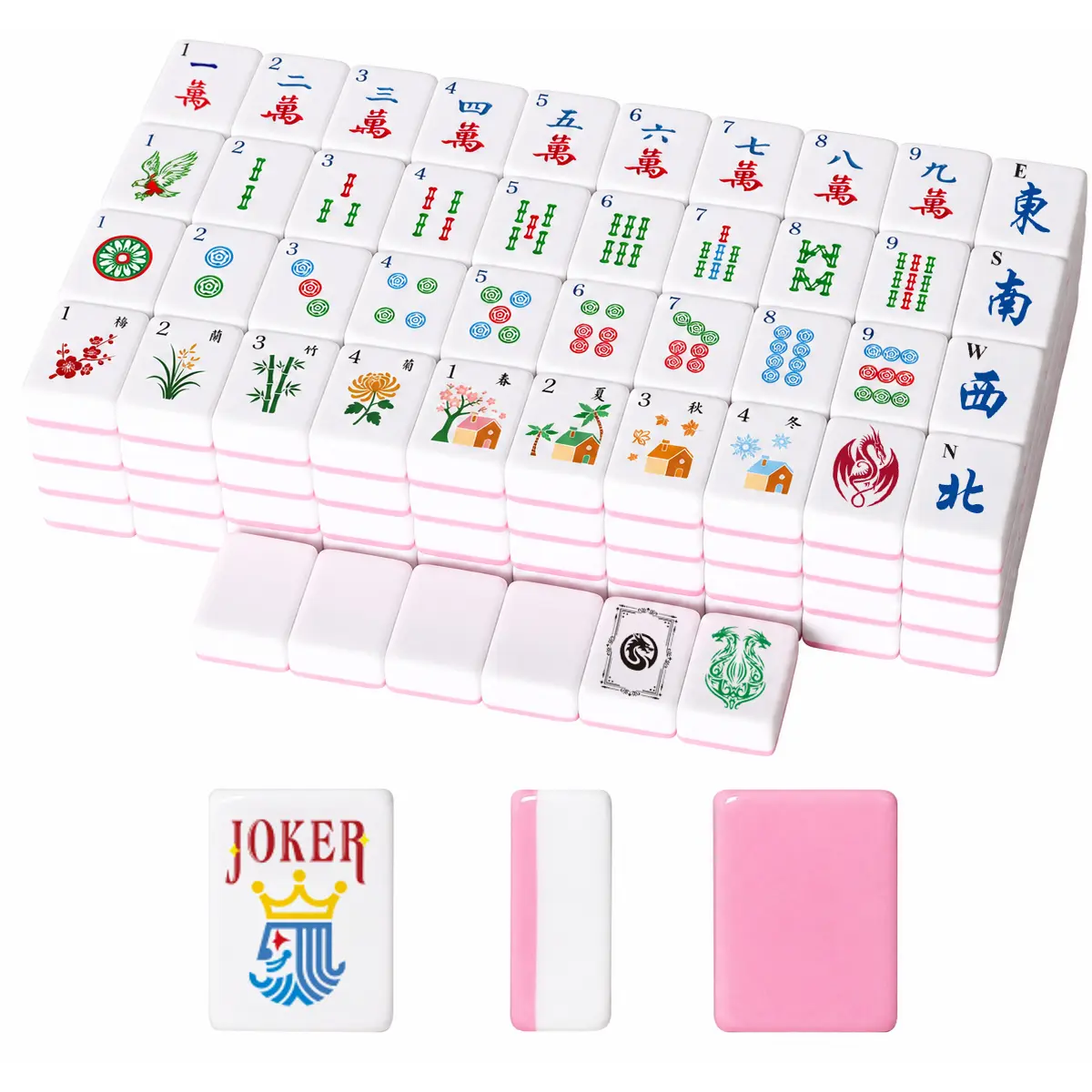
| Tiles and accessories | Face schedule and component IDs | Playable, spare, and supporting pieces | Rub, scratches, chips, print or fill damage |
| Printed material | Language, edition, approved copy | Manuals, cards, labels, leaflets | Legibility, trim, fold, placement |
Gate 3: look for movement evidence
Before removing the product, note shifted rows, loose parts, powder, rub marks, torn tissue, compressed foam, and marks inside the lid. These clues show what happened during packing or handling. Recreate the approved pack-out and compare the retained positions.
Gently handle the closed retail pack in the orientation expected during distribution. Do not invent a drop test at the inspection table. The purpose is to detect obvious internal movement and closure problems, not to claim laboratory performance.
Gate 4: inspect the retail promise
Compare the front, back, sides, bottom, insert, and manual with approved files. Check format name, count, language, images, colorway, support path, and included accessories. A package becomes nonconforming when its message no longer describes the product inside, even if both were produced neatly.
View the pack at normal shelf or listing scale. Small type, weak contrast, or a barcode placed over a fold may be missed in a zoomed proof. Record the actual printed result rather than approving from the source PDF again.
Gate 5: test removal and reset
Open the package as a customer would. Remove the manual, accessories, and tiles. Note catches, spill points, sharp packaging edges, and items hidden below trays. Then return everything without factory packing tools. The insert should make the intended arrangement understandable.
Close the case or box and inspect for bowing, pressure, gaps, and trapped components. A package that closes only when one tile row is forced downward is not functioning normally.
Apply a mahjong packaging quality checklist to failure modes
Organize findings by consequence. Missing contents, wrong identity, product damage, and failed closure affect the customer differently from a light cosmetic mark. The agreed defect language should make the release decision predictable.
| Finding | Likely failure mode | Immediate action | Corrective question |
|---|---|---|---|
| Loose tiles above insert | Insufficient retention or wrong pack sequence | Hold affected sample and check spread | Did insert, tile stack, or protective layer change? |
| Correct set in wrong sleeve | Line clearance or SKU identification failure | Segregate variants and expand identity check | How are parts and packs verified before closure? |
| Rubbed faces | Movement, debris, or surface contact | Protect evidence and inspect adjacent positions | Which contact occurs during packing and transport? |
| Case will not close | Missing clearance, misplaced manual, or wrong component | Compare with approved pack-out | Is the full bill of materials represented in the sample? |
| Carton crush | Structure, loading, stacking, or handling issue | Document location and product effect | Does the test and distribution plan reflect real loads? |
| Barcode fails scan | Data, print quality, contrast, size, or placement | Hold affected labeled stock | Was the approved production print verified? |
Do not turn inspection into an improvised transit test
Pre-shipment inspection confirms selected characteristics of a lot. Transit testing challenges a defined product-package system using a planned sequence and acceptance criteria. They answer different questions and should produce different records.
ISTA describes 1-Series procedures as screening tests and 3-Series procedures as general simulations of transport hazards. The ISTA procedure guide can help a buyer and qualified packaging specialist select a relevant approach. A test name alone is not evidence; keep the configuration, procedure version, samples, results, and report.
Match testing to the distribution route
Store replenishment, pallet distribution, subscription packing, and direct parcel delivery expose products to different sequences. Define whether the retail package travels inside a master carton, an over-box, or without added preparation. Test the arrangement that will actually move.
When a product, weight, insert, closure, carton, dunnage, or route changes, review whether earlier evidence still applies. ISTA's guidance notes that retesting may be needed when the product, package, or process changes in ways that could affect performance.
Choose an inspection spread that sees variation
Select cartons across the lot and positions rather than taking only convenient top cartons. Within a set, review faces and accessories that carry different processes. The inspection plan should state sample selection, defect classification, acceptance rule, and disposition.
If formal acceptance sampling is used, qualified parties should define the lot, inspection level, AQL, defect classes, and switching rules. Do not paste a generic sampling table into an order without understanding how it will be applied.
Record decisions, not just photographs
Each finding needs SKU, lot, carton, component, location, description, severity, quantity, image, requirement, and disposition. Mark whether the result is accepted, reworked, sorted, replaced, or held for review. A folder of unlabelled images cannot explain the release.
Keep corrective action separate from concession. Fixing future packing does not automatically resolve the current lot. Accepting one lot with a deviation does not silently rewrite the next order.
Use the packed sample as the shared reference
Approve an open arrangement, closed retail pack, and shipping configuration after the product is stable. Give each reference a revision and scope. The open pack controls position; the closed pack controls presentation and closure; the transit sample and report control the tested configuration.
Archive dielines, copy, barcode file, insert drawing, bill of materials, pack-out photos, carton data, and test records. This package of evidence supports repeat production and makes change review much faster.
Information to put on the inspection booking
- Purchase order, SKU list, quantities, lot definition, and destination
- Released specification, bill of materials, artwork, and pack-out revision
- Approved samples, photos, barcode data, carton marks, and copy files
- Sampling method, defect classes, acceptance rules, and responsible approver
- Functional checks, dimensions, appearance range, and required records
- Disposition process for rework, sorting, replacement, concession, or hold
Buyers can review ABC Mahjong's product and accessory range and custom packaging options while the inspection requirements are being defined.
FAQ
Is packaging inspection the same as product inspection?
No. They overlap because packaging can damage or misidentify the product, but each needs its own characteristics, evidence, and acceptance decisions.
How many cartons should be opened?
The inspection plan should define the lot and sampling method according to risk and qualified guidance. Select across the lot rather than choosing only convenient cartons.
Should inspectors count every tile?
Count requirements depend on the plan, but a complete-set check should use the approved face schedule and distinguish playable tiles, specials, blanks, and spares.
Can a buyer perform a drop test during inspection?
An improvised drop does not replace a defined laboratory or performance procedure. Use an agreed test configuration, sequence, samples, and acceptance criteria.
What is a pack-out photo?
It is an identified image showing the approved arrangement and orientation of components and protective items. It should carry a revision and product identity.
What packaging defects usually affect customer experience?
Missing contents, loose movement, rubbed pieces, crushed corners, failed closure, wrong labels, unreadable copy, and difficult repacking can all matter.
How should barcode quality be checked?
Confirm the correct data and use an appropriate scanning or verification method for the required barcode and channel. Visual inspection alone is limited.
When should transit testing be reviewed again?
Review it after meaningful changes to the product, weight, materials, insert, closure, carton, pack-out, supplier process, or distribution route.
Who decides whether a lot can ship?
Name the buyer-side authority and supplier-side contact in advance. Inspection findings should follow a written disposition path rather than an informal assumption.
What should a buyer send to the factory?
Send the released product and packaging files, reference samples, inspection plan, labels, carton data, destination, timing, and evidence required before release.
Release the package as part of the product
ABC Mahjong coordinates tiles, accessories, cases, inserts, retail packs, and shipping preparation for B2B projects. Read about ABC Mahjong and send the current pack-out and inspection brief through the contact page. A usable mahjong packaging quality checklist makes the shipment decision visible before the cartons leave.