
Mahjong set quality control works best as four connected gates: release the specification, approve a representative sample, monitor production against that approval, and verify the finished packed goods before shipment. A final inspection alone cannot repair an unclear tile schedule, an unapproved color, or a box that was designed before the accessories were fixed. Quality starts when the buyer and factory agree on what "correct" means.
The pretty sample and the unusable set
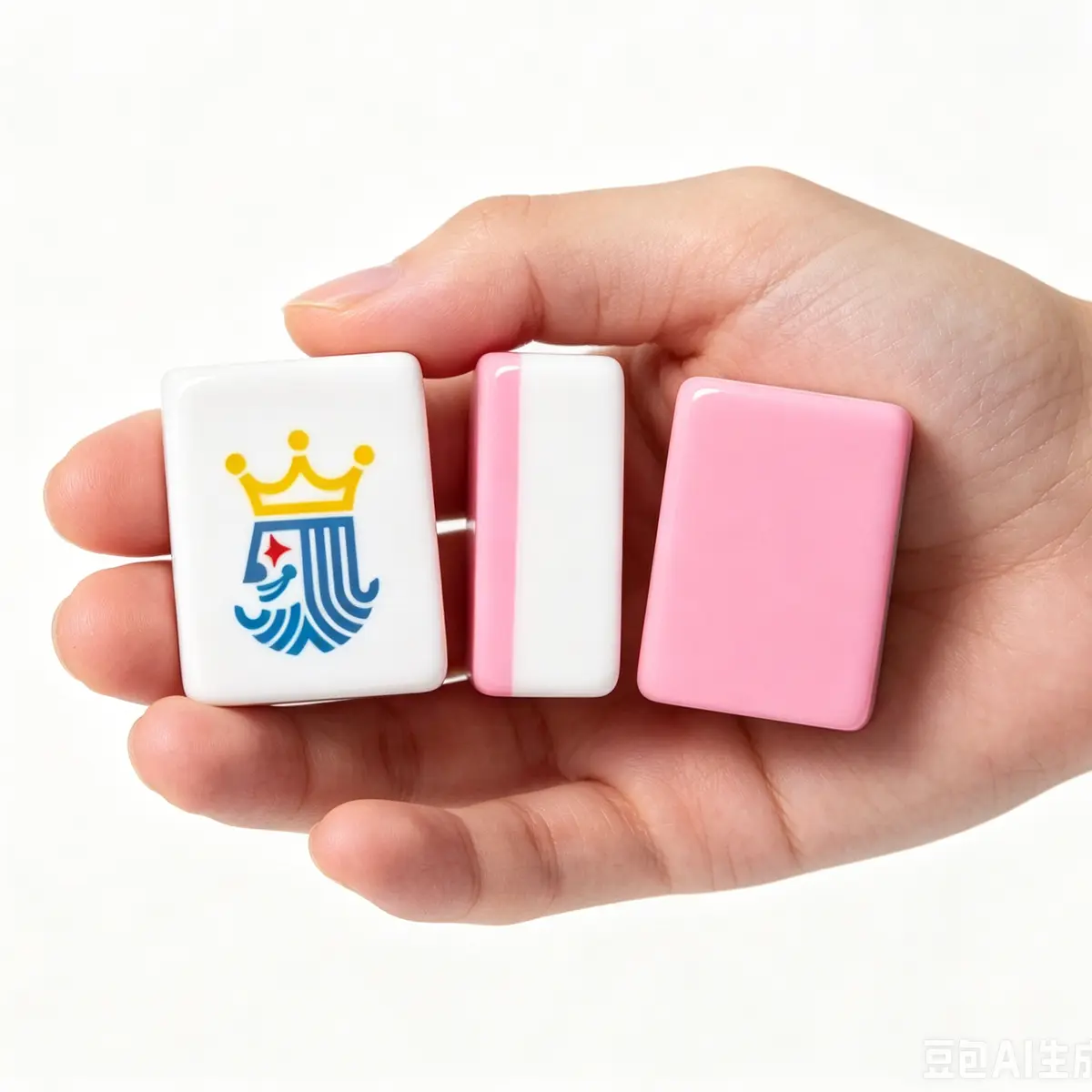
A sample can look excellent on a conference table. The color is attractive, the polish catches the light, and the box closes with a satisfying feel. Yet the set can still fail in use if a face is duplicated, a joker is missing, the racks do not fit the tile thickness, or the rule material describes a different configuration.
This is why inspection needs several types of evidence. Appearance matters. So do dimensions, function, count, artwork identity, packaging, labels, and consistency with the approved order. One photograph cannot prove all of them.
Gate 1: release a specification that can be inspected
The first gate is a document review. Before sampling, give each requirement a method of verification. Avoid phrases such as "good quality," "premium feel," or "same as reference" unless they are translated into observable criteria.
| Requirement area | Evidence to release | Verification method |
|---|---|---|
| Set configuration | Face schedule and component list | Count by unique face and component |
| Tile format | Approved dimensions, construction, edge and finish notes | Measurement plus comparison with approved sample |
| Artwork | Indexed files and flattened proof | Face-by-face visual check against released revision |
| Color | Named reference and approved physical sample | Controlled visual comparison under agreed conditions |
| Accessories | Quantity, size, color, logo, and compatibility requirements | Count, measurement, fit, and functional check |
| Packaging | Dielines, inserts, labels, carton plan, approved pack | Pack-out, barcode and label review, carton verification |
The buyer should also classify defects before production. A critical issue affects safety or a non-negotiable legal requirement. A major issue can make the product unusable, materially different, or unacceptable to the customer. A minor issue is a smaller departure that does not prevent normal use. The exact definitions must be written for the product and market rather than copied from an unrelated inspection template.
Gate 2: approve the sample by purpose
Not every sample proves the same thing. A color chip may show material direction. A printed proof may confirm artwork position. A functional sample may test rack fit. A pre-production sample may bring together the final tile, accessory, and packaging choices. Write the sample's purpose on the approval record.
Use three columns during review:
- Requirement: the released measurement, file, color target, component, or packing instruction.
- Observation: what the reviewer actually sees or measures on the sample.
- Disposition: approved, approved with a clearly recorded change, or rejected for correction.
A comment such as "please improve" is difficult to close. "BAM-03 numeral is lower than the approved proof; align to revision R04" gives the next reviewer a testable action.
Freeze the golden sample without turning it into folklore
Teams often refer to a golden sample as if it answers every future question. It does not. Physical samples can fade, scratch, collect dust, or differ slightly from later material batches. Store it carefully, label it with project, SKU, date, and revision, and connect it to the written specification.
Decide which features the sample controls. Perhaps it is the reference for general appearance and hand feel, while dimensions come from the drawing, artwork from released files, and quantities from the face schedule. When references conflict, the agreement should say which one governs.
Gate 3: inspect the process before all units are finished
In-process checks are valuable because they reveal drift while correction may still be possible. The specific timing depends on the manufacturing method. Relevant checks can include incoming material identity and color, first-piece dimensions, artwork alignment, engraving or print condition, edge finishing, assembly, accessory compatibility, and early pack-out.
Ask the factory to record what was checked, when, by whom, against which revision, and what happened when a result was outside the requirement. The purpose is not to create paperwork for its own sake. It is to stop the same uncertain decision from being remade at every station.
Separate product checks from set-completeness checks
A tile can pass its appearance check while the finished set still contains the wrong assortment. Completeness deserves its own control plan. Organize faces in a known sequence, use the approved face schedule, verify repeats and special tiles, and confirm every accessory and printed item.
Weight can support pack verification when a stable product makes it meaningful, but it should not be the only method. Two missing pieces and two wrong substitutes may produce a similar weight. Direct count and identity checks remain important.
A defect map for Mahjong products
| Area | Possible nonconformance | Buyer impact |
|---|---|---|
| Tile identity | Missing, duplicated, swapped, or wrong-version face | Set may be unplayable or incompatible with intended rules |
| Artwork | Spelling error, unreadable mark, shift, inconsistent fill | Confusion, returns, brand damage |
| Body and finish | Dimension outside agreement, sharp edge, scratch, polish variation | Poor handling, rack mismatch, visible inconsistency |
| Color | Mismatch to approved sample or excessive variation within a set | Collection looks mixed or incorrectly replenished |
| Accessories | Wrong count, poor fit, weak function, mismatched color | Incomplete play experience or customer complaint |
| Packaging | Incorrect label, movement, rub damage, weak closure, wrong carton | Transit damage, scanning problems, presentation failure |
Gate 4: run mahjong set quality control on finished goods
Final inspection should happen when goods are complete enough to represent the shipment and packed in the approved way. Confirm the inspection timing, lot definition, available quantity, sampling plan, defect classifications, acceptance criteria, and reporting format before the inspector arrives.
For lot-by-lot inspection by attributes, buyers may use an agreed statistical sampling system rather than checking every unit. ISO published ISO 2859-1:2026, which describes sampling plans indexed by acceptance quality limit for lot-by-lot inspection. The current edition replaced the earlier 1999 edition. Buyers using it should obtain the standard, select the plan with qualified input, and record the chosen inspection level and acceptance criteria in the purchase agreement.
An AQL value is not a promise that the shipment contains exactly that percentage of defects. It is an index used with a sampling plan. It also does not decide which defect is critical, major, or minor. Those definitions remain product-specific and must be agreed by the buyer.
What the final report should make visible
- Purchase order, SKU, lot size, inspected quantity, date, and location
- Product specification and artwork revisions used
- Sampling plan and defect limits, when sampling is used
- Photographs of packed goods, random selections, measurements, and defects
- Counts by defect type and classification
- Functional and compatibility results
- Packaging, label, barcode, carton mark, and quantity checks
- Overall result plus unresolved issues requiring buyer disposition
The report should distinguish evidence from opinion. A close-up photograph needs context: which unit, which requirement, what measurement, and how the issue was classified.
What happens after a failed result?
"Reinspect" is not the first action. First contain the affected goods and understand the pattern. Was the problem isolated to one artwork version, one material batch, one packing station, or the whole lot? Correct or sort the goods as appropriate, document the action, and decide whether the evidence supports a new inspection.
Do not accept a cosmetic rework that creates a functional or durability problem. Do not mix corrected and unreviewed units without control. If the defect exposes a gap in the specification, update the document before the next order.
Use complaints to improve the next control plan
Returns and customer messages can reveal issues that a factory inspection did not simulate: confusing storage, difficult tile identification, a pusher that bends after repeated use, or a glossy box that scuffs in fulfillment. Record the product revision and lot when possible. Separate transport damage, use-related wear, and manufacturing nonconformance.
A repeat order should not simply reuse last year's checklist. Keep what worked, add confirmed field risks, remove checks that do not influence decisions, and revalidate any changed material, process, component, or packaging.
FAQ
Does an approved sample guarantee the bulk order?
No. It establishes a reference for specified features. Production and final inspection are still needed to check consistency, completeness, packaging, and shipment readiness.
Should every tile in every set be inspected?
The control method depends on the characteristic and risk. Some process controls or completeness checks may cover every set, while final acceptance may use a defined sample. Agree on the method before production.
What is the most serious common set error?
Severity depends on the agreement, but a missing or wrong tile face can prevent intended play. The face schedule and counting method therefore deserve explicit control.
Can color be checked from photographs?
Photos help document observations but are affected by lighting, camera, display, and compression. Use an approved physical reference and agreed viewing conditions when color is important.
Who defines critical, major, and minor defects?
The buyer and supplier should agree on product-specific definitions. Regulatory and safety requirements for the destination market must also be addressed with qualified advice.
Is AQL the same as acceptable defect percentage?
No. AQL is an index used in an acceptance-sampling system. Apply the current standard correctly and do not use it as a vague quality slogan.
What should be retained after shipment?
Keep the purchase specification, face schedule, released artwork, approval records, samples as agreed, inspection reports, packing data, and change history. These records support complaints and replenishment.
Build inspection into the brief
ABC Mahjong describes quality checks from raw materials through finished products and packaging, with project support from sampling to delivery. Explore its custom project workflow, review the product and accessory range, and learn more about the company's process. For a new order, send the configuration, artwork, packaging, quantity, destination, and required inspection evidence through the contact page. A useful mahjong set quality control plan can then be built around the actual product rather than a generic checklist.