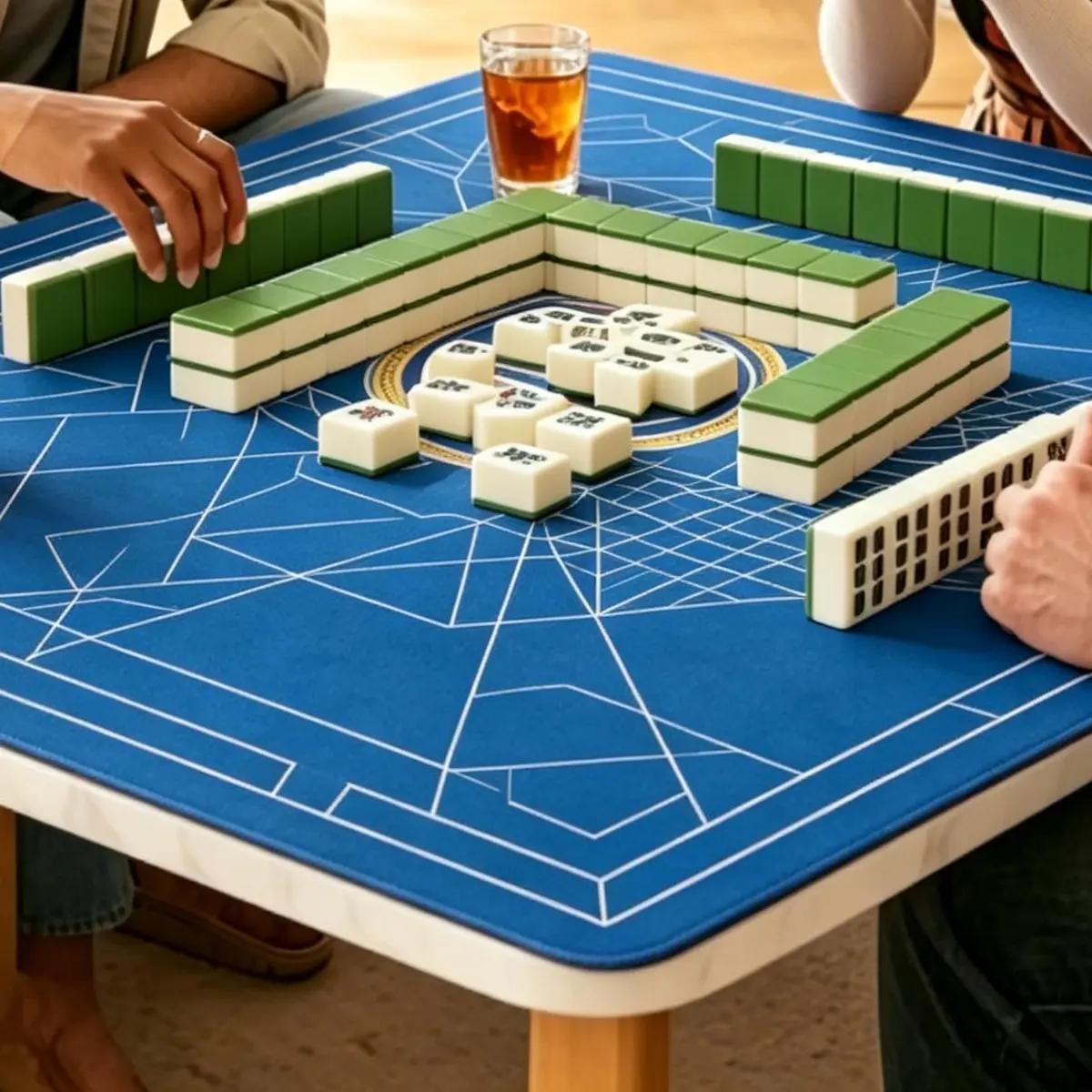

The practical answer to how to design mahjong tiles for manufacturing is to treat the artwork, physical blank, and inspection plan as one product file. Begin with the rules version and the player experience, then define the tile envelope, face system, back, material, finish, and production method. A drawing is only ready when another person can use it to quote, sample, inspect, pack, and reorder the same tile.
Start with the play system and the manufacturing envelope
Tiles are handled, stacked, read, mixed, and stored as a set. That means a design decision on one face can affect the rack, pusher, case, carton, and replacement service. Write the intended product in one sentence before opening an artwork file. Include the rules version, destination market, sales channel, target price position, and whether the set is intended for everyday play, gifting, clubs, or a promotional program.
Next, list the non-negotiable dimensions. Record the tile length, width, thickness, corner radius, edge treatment, weight range, and acceptable variation. If the project starts from an existing blank, request a measured sample rather than relying on a catalogue drawing. A few tenths of a millimeter can change how tiles stand in a rack or how many fit in a tray.
| Design input | Why manufacturing needs it | Evidence to approve |
|---|---|---|
| Rules version and tile count | Defines the face schedule and complete-set quantity | Numbered component list and rules reference |
| Tile envelope | Controls tooling, rack fit, stacking, and case space | Dimensioned drawing and measured reference tile |
| Sales channel | Sets durability, presentation, label, and cost expectations | Target customer and retail or club brief |
| Replacement strategy | Influences face identification and spare-part records | Service SKU plan and traceable face names |
Turn the artwork brief into production-ready files
Artwork should be built at the final tile size with the final safe area visible. Create a master face schedule that names every tile, states the quantity, identifies the source file, and marks the current revision. Separate rules-fixed information from decorative choices. A red suit symbol may be constrained by recognition, while a back pattern or logo placement may have more creative freedom.
Use vector artwork for marks, borders, and line work whenever the process supports it. Define minimum line weight, clear space from the edge, registration tolerance, and orientation. For engraving, check how the tool width changes narrow gaps. For printing, check ink spread, coverage, and the contrast between the surface and the mark. Do not approve a screen proof without comparing a physical or process-equivalent sample.
Keep a clean naming system: collection, component, language, revision, and date. Archive superseded artwork in a read-only folder. The Mahjong set specification guide shows how a face schedule and release record can keep artwork decisions connected to the product that will be inspected.
How to Design Mahjong Tiles for Manufacturing when geometry is still open
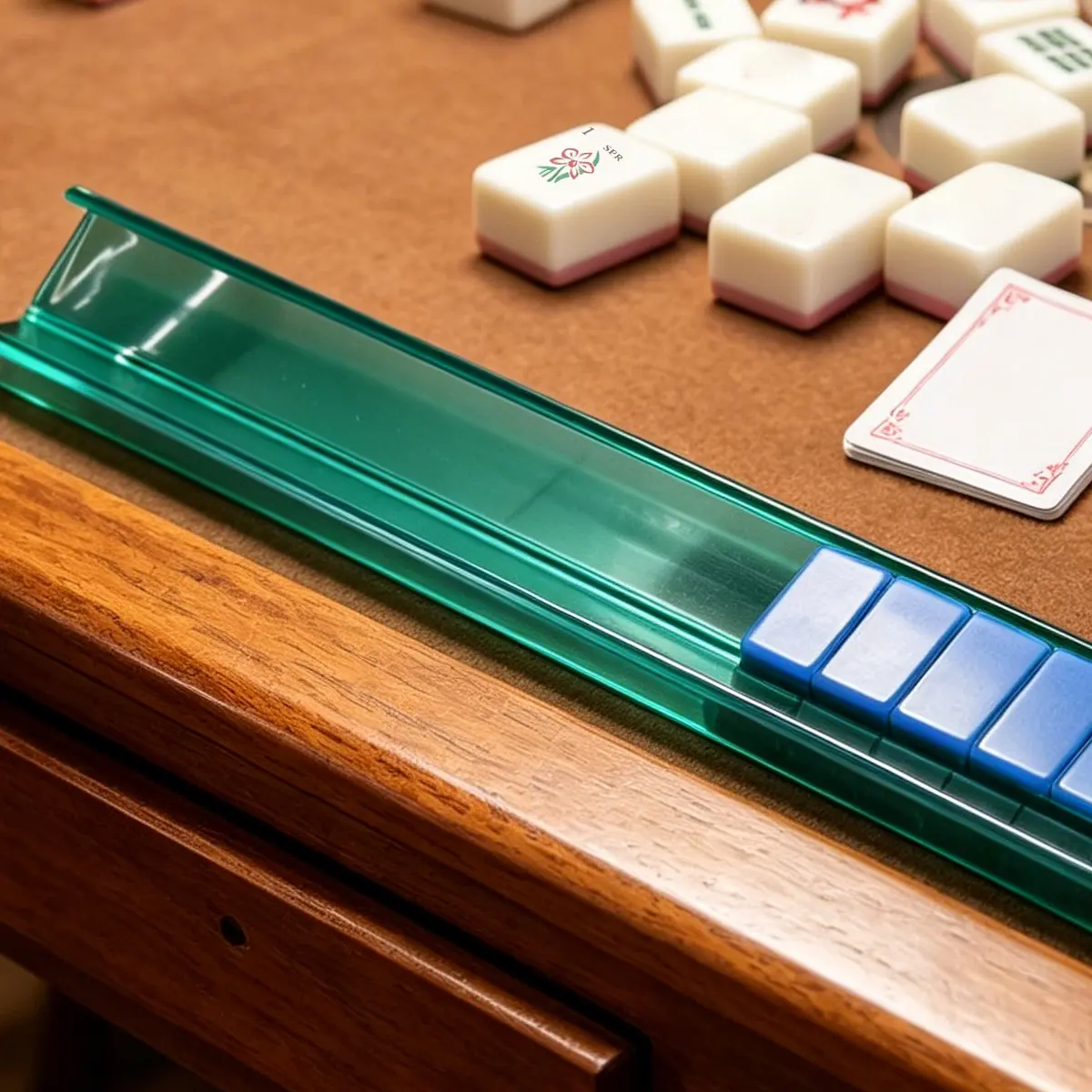
When the physical form is not settled, design the interfaces before the decoration. Check the tile against the rack channel, pusher clearance, case insert, and stacking height. Decide whether the back is flat, recessed, printed, or textured, and note how the finish changes grip and cleaning. If a new geometry is needed, ask the supplier for a tool concept, draft direction, cavity layout, and expected shrinkage before approving steel.
Do not let a visual mock-up imply a capability that the process cannot hold. A very small engraved line, an edge-to-edge print, or a deep color transition may require a different operation or a second inspection step. The drawing should call out what is cosmetic, what is functional, and what is allowed to vary.
| Geometry choice | Product benefit | Manufacturing question | Inspection method |
|---|---|---|---|
| Thickness and weight | Stable handling and a consistent table feel | What tolerance can the blank and finish hold? | Caliper and sample weight check |
| Corner and edge profile | Comfort, stacking, and resistance to chipping | Can the tool polish the profile consistently? | Gauge, visual check, and edge rub test |
| Face safe area | Readable marks after printing or engraving | How much registration movement is acceptable? | Overlay or fixture check |
| Back treatment | Recognition, grip, and visual identity | Will texture or color change between lots? | Reference sample and lighting comparison |
Choose material, finish, and color as a connected system
Material is not just a color carrier. It influences the tile's weight, edge appearance, scratch behavior, odor, cleaning response, and how a mark holds up during play. Ask for the material family, filler or coating direction where relevant, surface finish, and any restricted-substance or packaging requirements that apply to the destination market. Record the approved physical reference with the revision.
Color review should use a physical swatch under more than one lighting condition. Compare the tile face, back, accessories, and package together. A color that looks balanced on a monitor may read too dark beside a cream tile or too bright under retail lighting. The Mahjong color matching service explains why a retained reference is more useful than a screenshot.
Use sample gates that answer one question at a time
A broad approval meeting encourages people to say that the set looks good while unresolved technical choices remain. Divide the path into gates, assign an approver for each gate, and keep an issue log. A rejected gate should point to the next action rather than starting an untracked round of opinions.
| Gate | Decision | Evidence | Release rule |
|---|---|---|---|
| Artwork proof | Are all faces, backs, languages, and revisions correct? | Numbered proof and face schedule | No missing or ambiguous components |
| Material and color | Does the physical surface match the reference? | Swatch, lighting photos, and finish note | Reference retained with approval |
| Geometry sample | Do tiles work with the rack, pusher, and insert? | Measurements, fit test, and play notes | Interfaces pass before full sampling |
| Complete set | Can a customer play, store, and understand it? | Full set, case, rulebook, and packaging | Golden sample assigned a revision |
| Pre-production | Does the production file match the approved sample? | Release file and open-issue check | Any deviation is written and approved |
The sample approval workflow is useful when several people share artwork, sourcing, and quality decisions. Keep the approved sample, not only the approval email, as the physical reference for the next stage.
Test readability and handling like a real player
Inspect the sample at normal table distance, not only under a magnifier. Ask whether the face is recognizable when the tile is rotated, whether the line weight survives glare, and whether neighboring colors can be distinguished quickly. Load every rack, mix the full quantity, and handle the tiles with dry and clean hands. Look for rocking, sticking, sharp edges, uneven backs, and marks that could confuse a player.
Run a simple substitution test: place one sample tile beside the approved reference and ask a person who was not in the design meeting to identify the difference. Photograph both pieces under consistent light and record the observation. This test catches small shifts in color, height, border position, and symbol alignment before a bulk order makes them expensive.
Write the quality plan before production starts
The inspection plan should translate the design into checks that a new inspector can repeat. Define the sample size, measurement tool, lighting condition, defect classes, and response for each characteristic. Cover the complete face schedule, dimensions, weight, finish, color, print or engraving position, edge condition, rack fit, accessory count, case, rulebook, and carton.
Separate critical, major, and minor findings. A missing face or a sharp edge is not the same as a small cosmetic variation that does not affect play. Record lot number, inspector, date, photos, results, and disposition. The four-gate quality control model provides a practical way to connect incoming, in-process, final, and packaging checks.
Price the design decisions and the repeat order
Ask the supplier to separate blank cost, artwork support, tooling, sample rounds, material or color setup, printing or engraving, accessories, packaging, inspection, freight, and payment terms. This makes a geometry change visible instead of burying it in a new unit price. Also ask which costs repeat on a reorder and which are one-time development charges.
Lead time follows the approval path. Artwork corrections, color references, tool changes, sample shipping, and packaging adjustments each add calendar time. Hold a short release meeting with one decision owner and a dated issue log. The U.S. Commercial Service export resources can support general export planning, but supplier-specific production and shipping assumptions still need to be confirmed in the quotation.
Lock a release file that protects reorders
Store the final drawing, face schedule, artwork package, material and color references, approved sample photographs, packaging layout, inspection plan, and deviation approvals together. Include the supplier, tool reference, production date, and quantity of the approved sample. Give the file a clear revision and make older versions easy to identify but hard to use by mistake.
Before a repeat order, compare the new quotation with the release file. Ask whether the resin, pigment, printing method, tool, subcontractor, packaging insert, or carton has changed. A visually similar replacement can still create a different playing feel or a mismatch in a retailer's existing collection. The packaging quality checklist helps extend the same discipline beyond the tile.
FAQ
What should a tile design brief include?
Include the rules version, complete face list, dimensions, material direction, finish, artwork status, color references, accessory interfaces, packaging needs, quantity range, destination, and approval owner.
Can I use an existing tile blank?
Yes. An established blank can reduce tooling and sampling risk when its size, weight, edge, and surface support the product promise. Measure a physical reference and verify the interfaces.
Should artwork be created at the final tile size?
Yes. Build and review the artwork with the final safe area, line weight, registration tolerance, and process limitations visible. A large-screen mock-up is not enough.
What is the difference between engraving and printing?
Engraving removes or marks the surface with a tool or laser, while printing deposits an image. Each method has different limits for line width, color, registration, finish, and inspection.
How do I approve a Mahjong tile color?
Use a physical swatch or process-equivalent sample, compare it under more than one light source, and retain the approved reference with its revision. Do not approve only from a screen.
Do I need a new mold for a custom tile design?
Not always. New artwork, color, finish, or packaging may work with an existing geometry. A new mold is appropriate when a different size, edge, or interface creates a clear product benefit.
What should be checked on the first sample?
Check every face, dimensions, weight, edge condition, finish, color, alignment, rack and pusher fit, case clearance, accessory count, rulebook version, and package protection.
How can I prevent artwork mix-ups?
Use a numbered face schedule, one active revision, controlled filenames, archived superseded files, and a written link between the artwork revision and the approved physical sample.
What should a quality inspection record contain?
Record the lot, sample size, tools, lighting, measured results, defect class, photographs, inspector, date, and disposition. A record should show what was checked and what happened next.
How do I keep later production runs consistent?
Keep a release file and golden sample, then review changes to material, pigment, tools, printing, subcontractors, and packaging before approving a repeat order.
Move from a drawing to a repeatable tile
A strong manufacturing tile program connects the player experience to measurable production decisions. Define the envelope, prepare artwork that a supplier can actually use, approve physical samples through clear gates, and inspect the finished set against one release file. When the design, quality plan, and reorder record agree, a buyer can see how to design mahjong tiles for manufacturing in a way that protects recognition and function without slowing every future order.
Send the target market, rules version, tile dimensions, artwork status, quantity, packaging direction, and delivery window through the ABC Mahjong contact page to review a manufacturing-ready tile project.