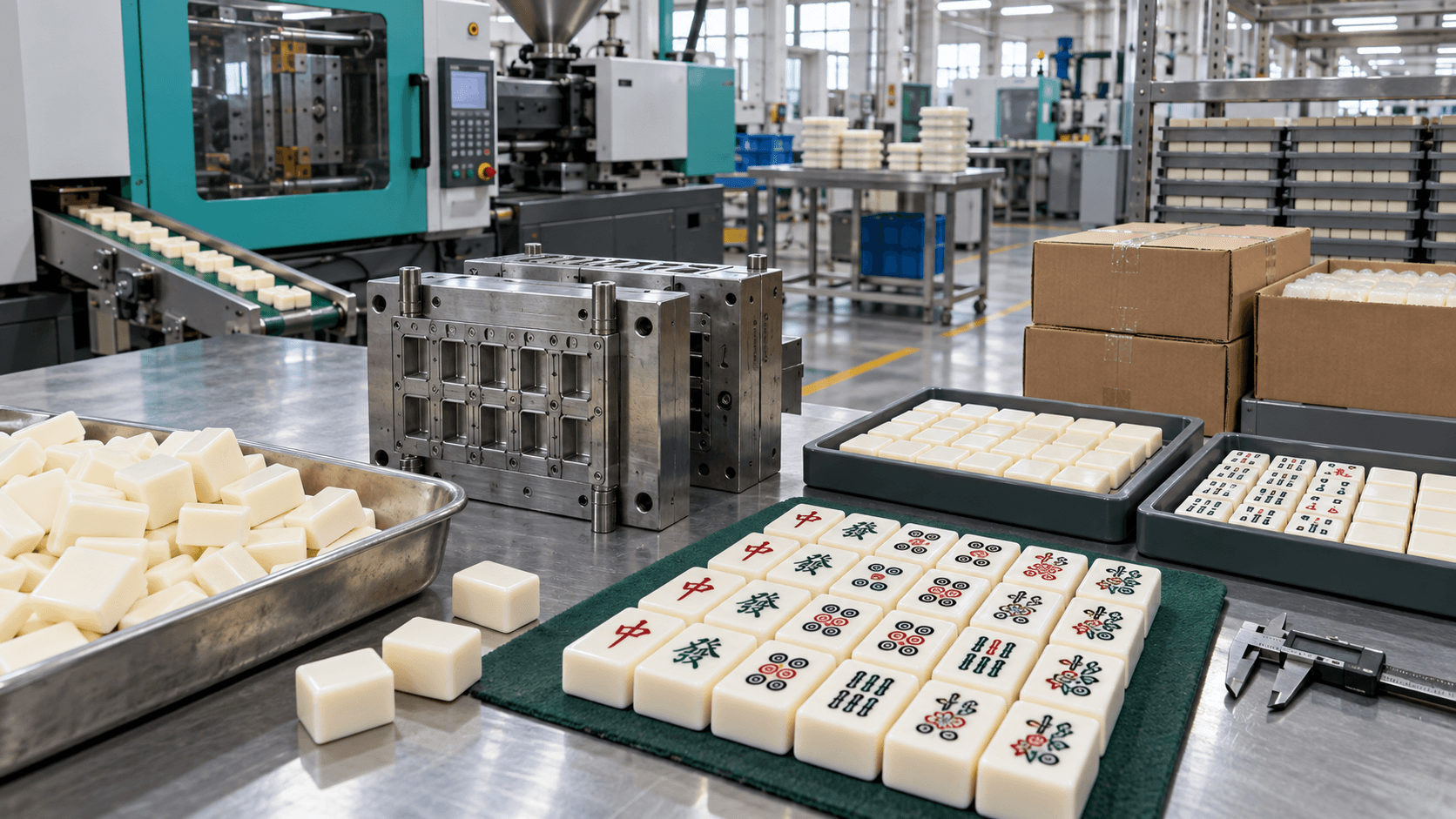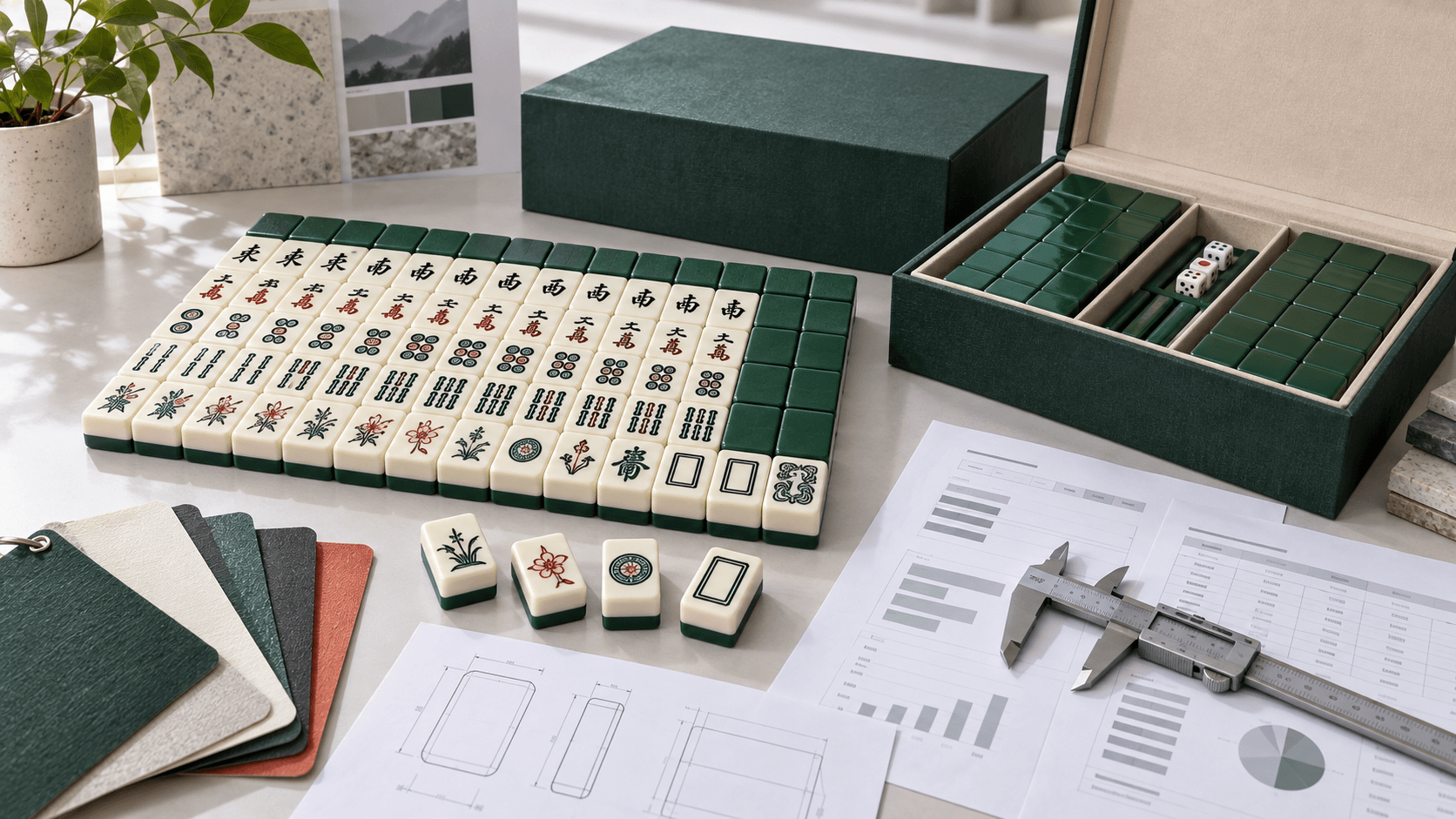

Mahjong tile size guide for buyers decisions should begin with fit and use, then move to appearance, packing, and freight. A dimension that looks attractive in a render can fail when placed in a rack, pusher, case, insert, or retail carton.
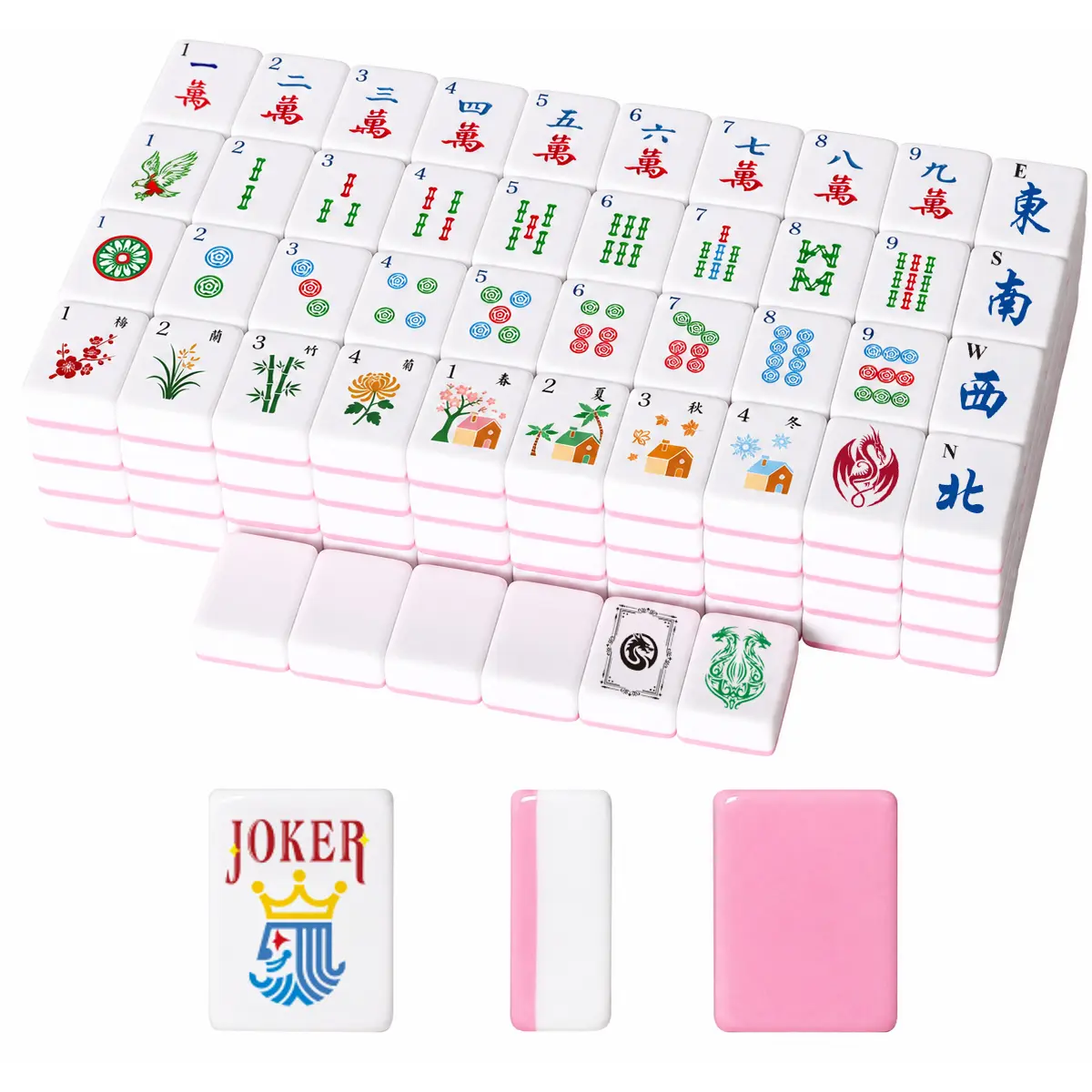
Size is a system, not a single number
Record length, width, thickness, corner treatment, working weight, and any tolerance that matters to fit. Then connect those measurements to the game format, audience, accessories, storage, and packaging. If the buyer only specifies “standard size,” the factory must guess which market convention is intended.
Define the visual priority as well. Larger faces may support quick recognition, while a compact build may reduce parcel size. Neither is universally better; each makes a different promise to the user.
Start with the intended player
Retailers selling beginner sets may prioritize legibility and an easy-to-explain format. Clubs may value handling consistency and compatibility with existing tables. Gift buyers may judge the object and case before they play. An e-commerce seller must also consider parcel weight, photography, and returns.
| Buyer scenario | Size question | Related decision |
|---|---|---|
| Beginner retail set | Can symbols be recognized without crowding? | Face layout, insert instructions and shelf presentation |
| Club or tournament supply | Will pieces work with the club's racks and table? | Compatibility, replacement policy and repeatability |
| Premium gift | Does the size support a balanced visual proportion? | Case, finish, accessory scale and unboxing |
| Online subscription | Can the packed set meet carrier limits? | Mailer, protection, weight and damage risk |
| Wholesale replenishment | Can the SKU share components with existing stock? | SKU architecture, cartons and reorder continuity |
Check the tile-to-accessory relationship
Accessories are where an abstract dimension becomes a real product problem. Measure the inside width of racks, the channel of pushers, the usable surface of a mat, the cavity in the insert, and the clearance in the case. Test several tiles, not just one, because small variation can change friction and fit.
Ask the supplier to record the proposed accessory arrangement. A case that closes around an empty insert may not close after every tile, die, manual, and rack is included. A pusher that works with one sample may scrape when the tile finish changes.
Make the specification readable
Apply a mahjong tile size guide for buyers to the full pack
The useful dimension is the one that still works after the tile meets its rack, pusher, case, insert, and carton. Use the same reference across those interfaces before approving a production size.
Use a table that distinguishes nominal dimensions from acceptance limits. Include the measuring method and the reference sample. If the buyer cares about a visible edge or a particular corner radius, say how it will be checked. Do not hide fit-critical data inside a filename or a photograph.
| Specification line | What to state | Why buyers need it |
|---|---|---|
| Nominal size | Length, width, thickness and unit | Sets the basic fit and artwork area |
| Allowed variation | Measurement method and agreed tolerance | Separates normal variation from a defect |
| Edge and corner | Radius or finish direction | Affects handling, appearance and comfort |
| Weight or feel | Reference range or approved sample | Supports a consistent playing experience |
| Accessory fit | Rack, pusher, case and insert relationship | Prevents an incomplete product system |
| Artwork safe area | Position, margin, orientation and process | Protects legibility and repeatability |
Balance legibility and density
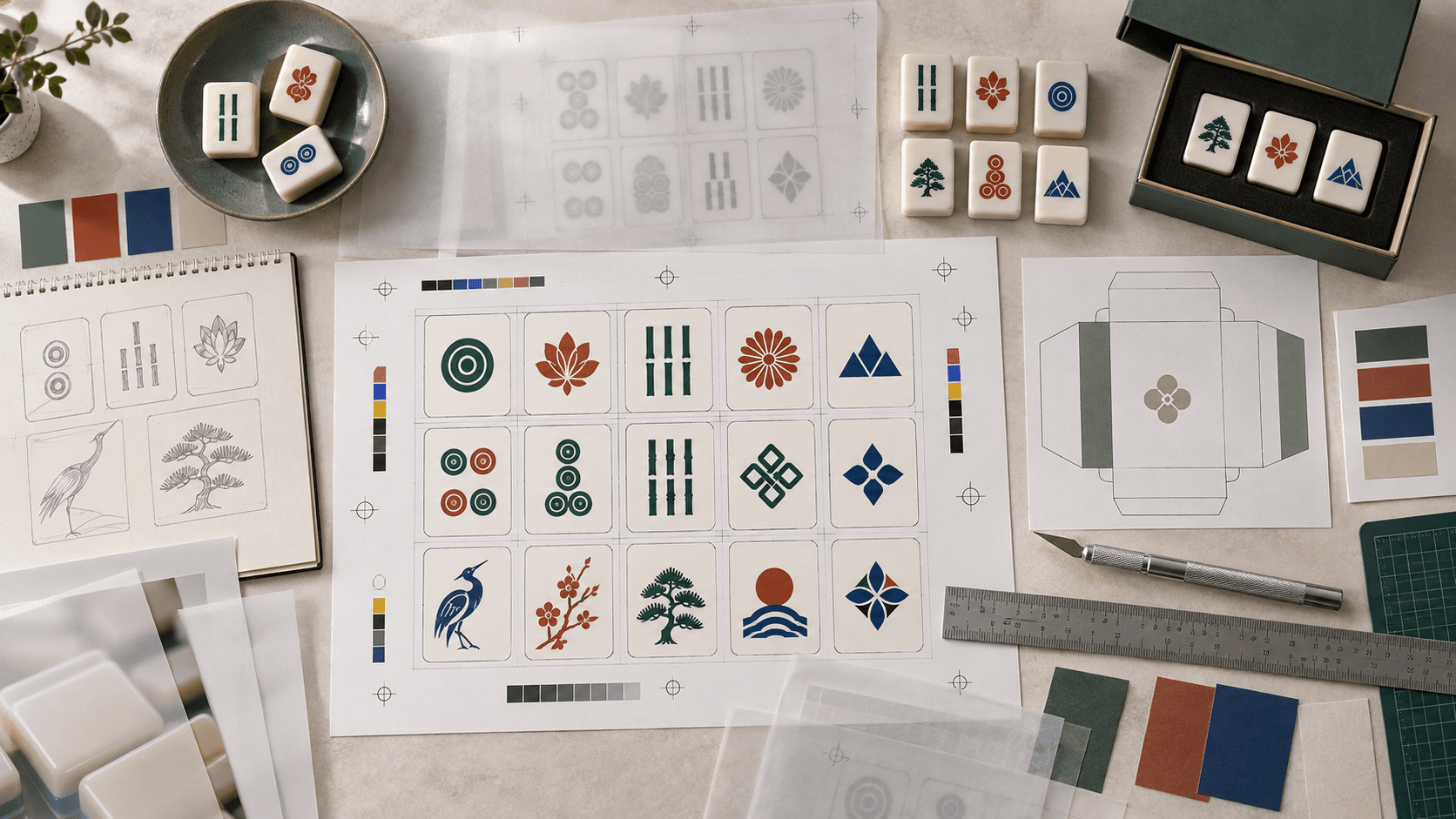
A larger tile does not automatically create a clearer face. Type size, contrast, line weight, finish, and the number of marks all matter. Print a proof at the proposed physical dimensions and view it at a normal playing distance. Include the densest symbol, smallest label, and any translated text in the test set.
For custom artwork, keep a face index and mark the top edge when orientation matters. The product range and custom Mahjong service can help a buyer compare available construction directions before artwork is finalized.
Consider material and finishing together
Clarity, color depth, edge polish, surface texture, and decoration adhesion can shift when the substrate or finishing changes. Ask for the same material and finish in the size sample used for approval. A dimension sample made from one resin and a color sample made from another may answer different questions.
Review the hand feel after finishing. Sharp transitions, rough edges, or a recess that traps residue can matter more in daily use than a small difference in a digital measurement.
Plan the package around the real stack
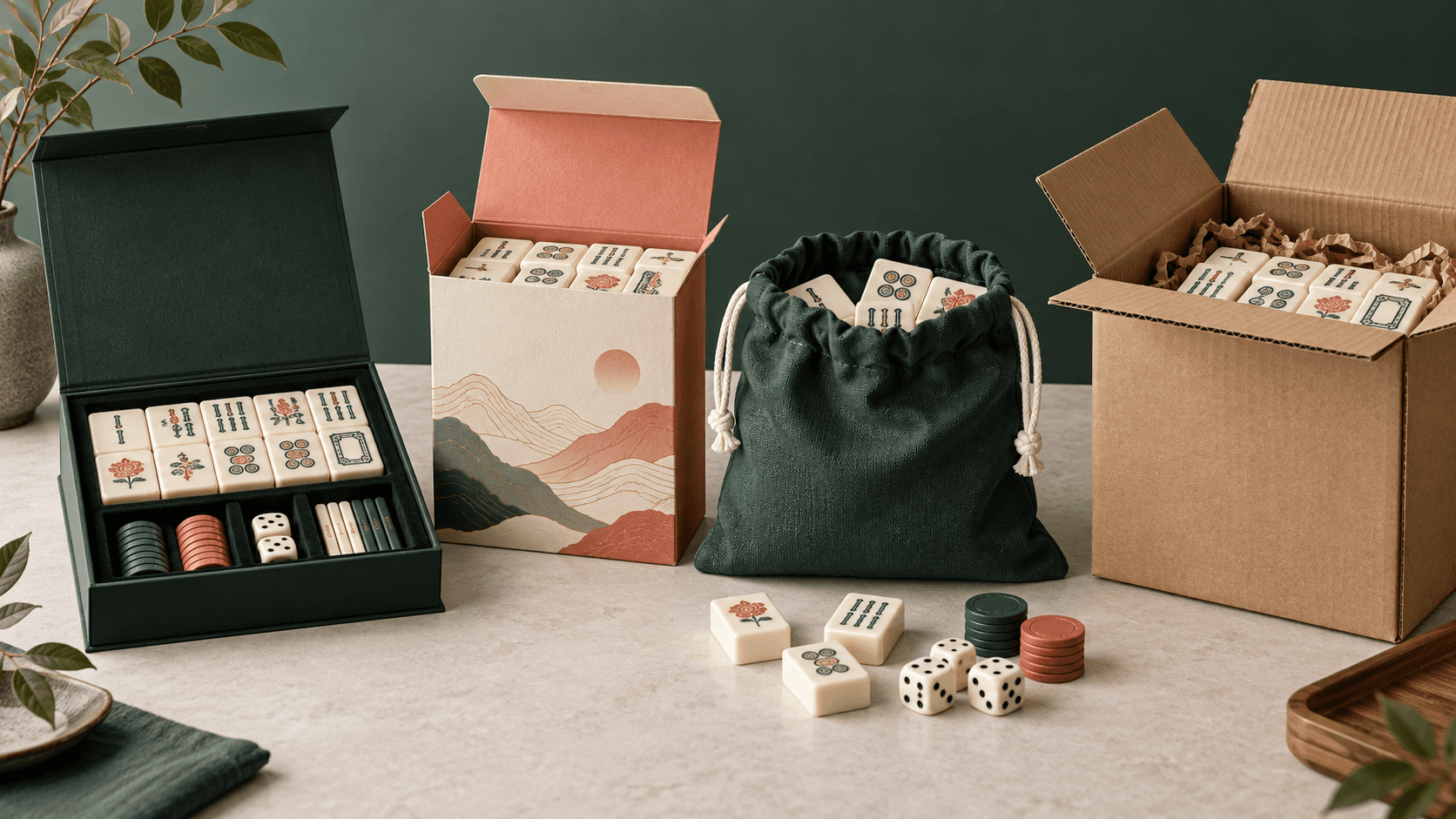
Tile dimensions multiply through the whole pack. They affect tray cavities, case footprint, insert walls, carton dimensions, packed weight, and pallet efficiency. Ask for a top-view packing drawing and a physical packed sample. Check whether pieces move, whether the lid bows, and whether the product can be removed without loose components escaping.
For e-commerce, add the mailer and carrier limits early. A few extra millimeters can move a parcel into a different rate band or require a larger protective box.
Sample size before committing to tooling
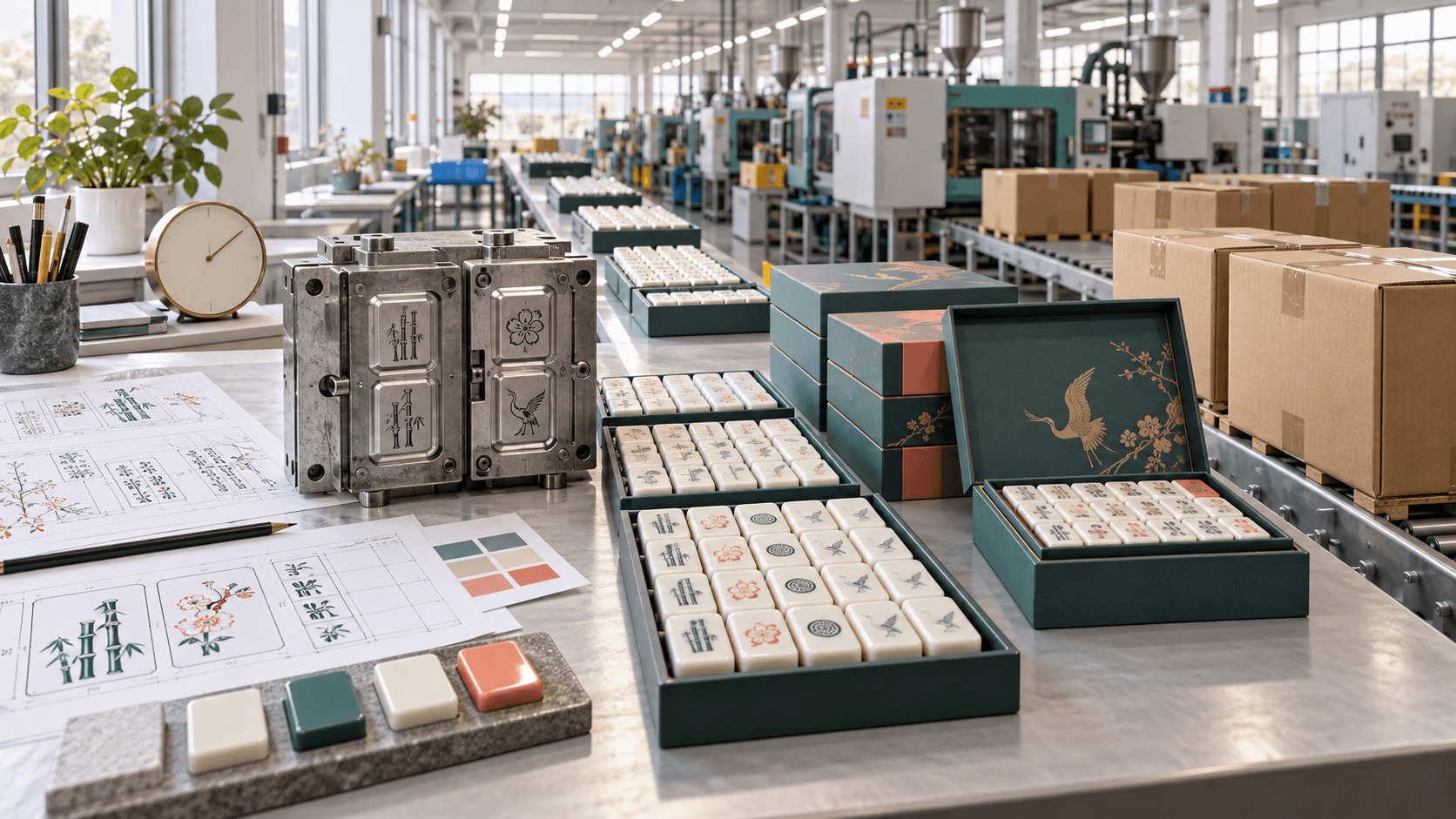
When a new size is being considered, request a dimensional sample before approving a mold. Use it to test hands, racks, pushers, storage, artwork scale, and packing. Record which questions it answers and which remain provisional. A quick physical test can prevent an expensive geometry change after decoration has begun.
If the size is based on an existing format, confirm whether the supplier is quoting an exact standard or a nearby interpretation. “Similar to the sample” should be replaced with measured data before production release.
Choose a regional format deliberately
American, Chinese, Japanese, and other regional formats can differ in tile count, faces, jokers, flower tiles, and accessory expectations. The size discussion follows the chosen format. Do not select a dimension from a photo while leaving the rule set and customer market undefined.
For a retailer, the final SKU should state format, count, language, dimensions, included accessories, and packaging. That information helps buyers compare listings and helps customer service answer fit questions.
Quality control for dimensions and fit
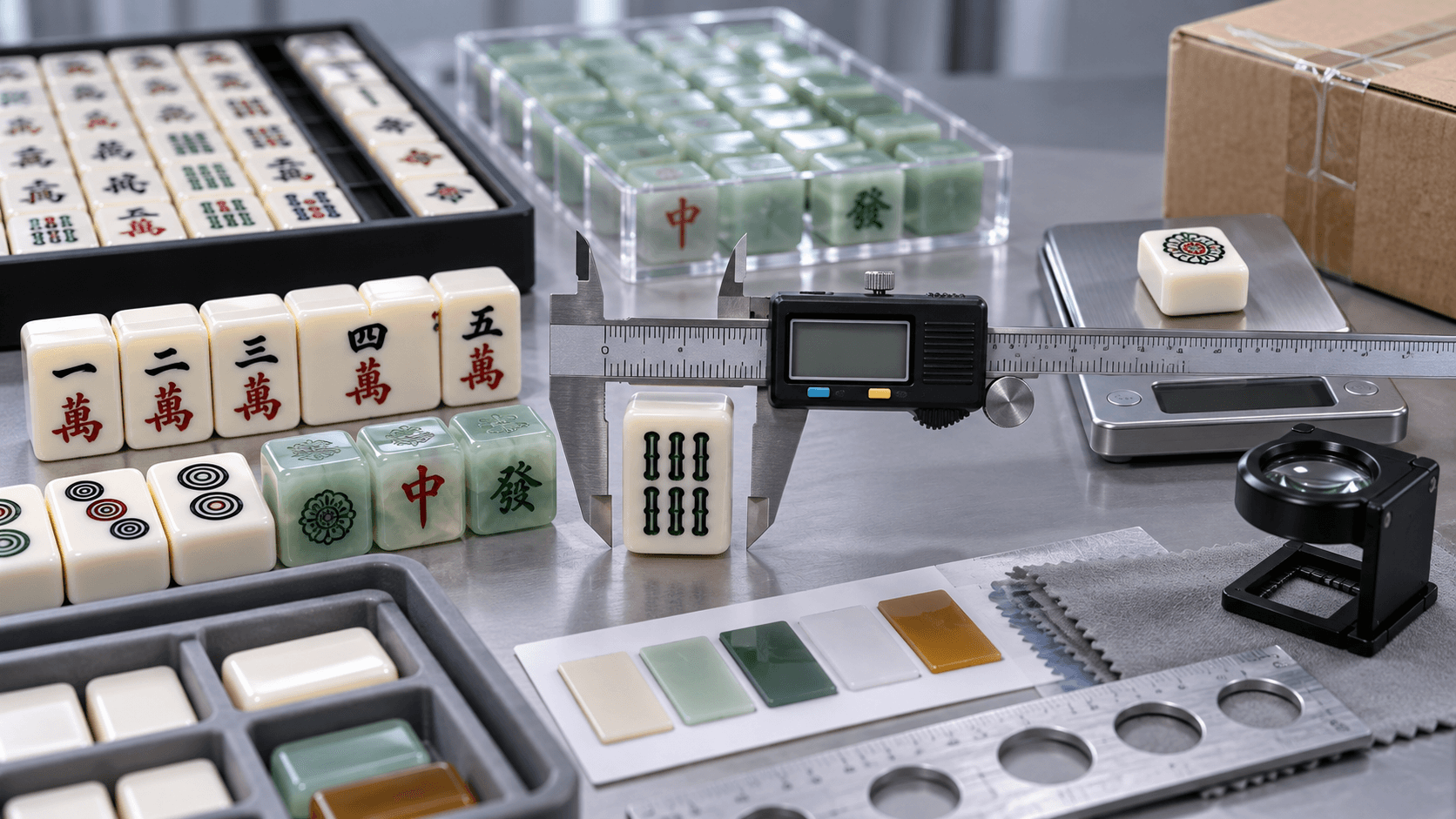
Define first-piece approval, in-process measurement, final sample checks, and packing verification. Check a spread of pieces from the lot rather than only the first item. For critical fit, use a simple go/no-go fixture or the actual approved accessory. Record the result with the sample revision.
Quality records should make the decision reproducible. A photograph can show the arrangement, but a measurement, reference, and named approver explain what was accepted.
For a documented measurement approach, buyers can review the ISO 286-1 reference on geometrical product specifications and then agree with the supplier which practical checks apply to the set. The reference is a framework, not a preselected tolerance for Mahjong tiles. Define the measuring tool, temperature, sample quantity, and rounding rule so two reviewers can reach the same result.
Allow for real-world handling
Warehouse and customer handling can expose dimensions that a desk review misses. Ask a sample user to shuffle, stack, rack, and return the tiles to the case while wearing the conditions expected in the market. Note whether the pieces slip, catch on a finish, or become difficult to read when stacked. These observations help a buyer choose between a nominal size and a slightly different format with fewer service problems.
Buyer checklist before the RFQ
- Market format, intended users and play context
- Nominal length, width, thickness, edge and corner direction
- Face area, language, contrast and artwork safe zone
- Rack, pusher, mat, case and insert measurements
- Material, finish, color references and physical sample plan
- Packed dimensions, weight, mailer and carton constraints
- Inspection method, tolerance records and approval authority
FAQ
Is there one universal Mahjong tile size?
No. Formats, markets, accessories, materials, and product positions vary. State the intended system instead of relying on the word standard.
Should all tiles in one set weigh the same?
They should be consistent within the approved construction and tolerance. Define how weight or feel will be checked if it is commercially important.
Can a buyer change size after artwork is complete?
Possibly, but the artwork scale, safe area, mold, accessories, insert, and packaging may need review. Ask for the full impact before approving.
How do I test rack compatibility?
Use a group of production-equivalent tiles in the proposed rack. Check insertion, spacing, movement, and removal rather than measuring the rack alone.
Does a larger tile always cost more?
Not always. Material yield, tooling, decoration, packaging, quantity, and freight all influence cost. Request a scope-matched comparison.
What size works best for online sales?
Choose the size that supports the intended game and package while meeting the carrier and customer expectations. Parcel data should be tested physically.
How much tolerance should be specified?
Use the product's fit and visual risk to set a limit with the manufacturer. A generic number without a measuring method is hard to enforce.
Can one case fit several tile sizes?
Only if the internal structure and retention system are designed for the range. Test each configuration with all included components.
What should a dimensional sample include?
It should use the intended geometry and show the interfaces that matter: accessory fit, artwork area, hand feel, storage, and packing.
Where should a buyer send size questions?
Include the format, audience, quantity, accessory list, sample needs, and destination in a request. This gives the supplier enough context to recommend a workable path.
Move from dimensions to a complete product
ABC Mahjong helps B2B buyers connect tile dimensions with materials, artwork, accessories, packaging, and sampling. Review the product range, read about ABC Mahjong, and send the measured brief through the contact page. The team can use this mahjong tile size guide for buyers to plan a sample that proves the whole product, not just a number.