
Mahjong set product specifications should let a buyer, factory, inspector, and warehouse identify the same product without relying on memory. The document is not a mood board or a collection of email approvals. It is the released definition of what will be made, checked, packed, and reordered.
Begin at the receiving table
Imagine the first production carton has arrived. A receiving inspector opens it while the original designer is offline. Can that person confirm the regional format, count every component, identify the approved tile back, verify the box version, and decide whether a mark is acceptable? If the answer depends on searching an old chat, the release file is incomplete.
This receiving-table test keeps the document practical. It also exposes details that design presentations often miss: spare pieces, insert orientation, bag closure, carton quantity, barcode version, and the difference between an approved reference and an inspirational image.
Give the file one owner and one identity
Place the product name, SKU, document number, revision, release date, and approver near the top. Name one owner who controls changes. A supplier may contribute dimensions or process notes, but the buyer still needs a clear commercial release authority.
ISO 11005 describes the use of a main document to gather product-specifying information for a part or assembly. The ISO 11005 overview is useful context for building a controlled main file, although it does not prescribe a Mahjong specification format.
| Control field | What it prevents | Example decision |
|---|---|---|
| SKU and product name | Mixing similar colorways or formats | Separate retail blue set from travel blue set |
| Revision and release date | Producing from an obsolete file | Revision C replaces the earlier insert layout |
| Named approver | Unclear authority after comments | Only a signed release starts production |
| Reference index | Using an unapproved photo or sample | Golden sample GS-02 controls appearance |
| Change reason | Repeating a rejected solution | Corner radius changed after rack test |
Merchandising defines the promise
The first substantive block should describe the sellable product. State the intended market format, customer, use case, language, tile count, accessories, and packaging level. This connects the technical details to the claim on the listing or wholesale sheet.
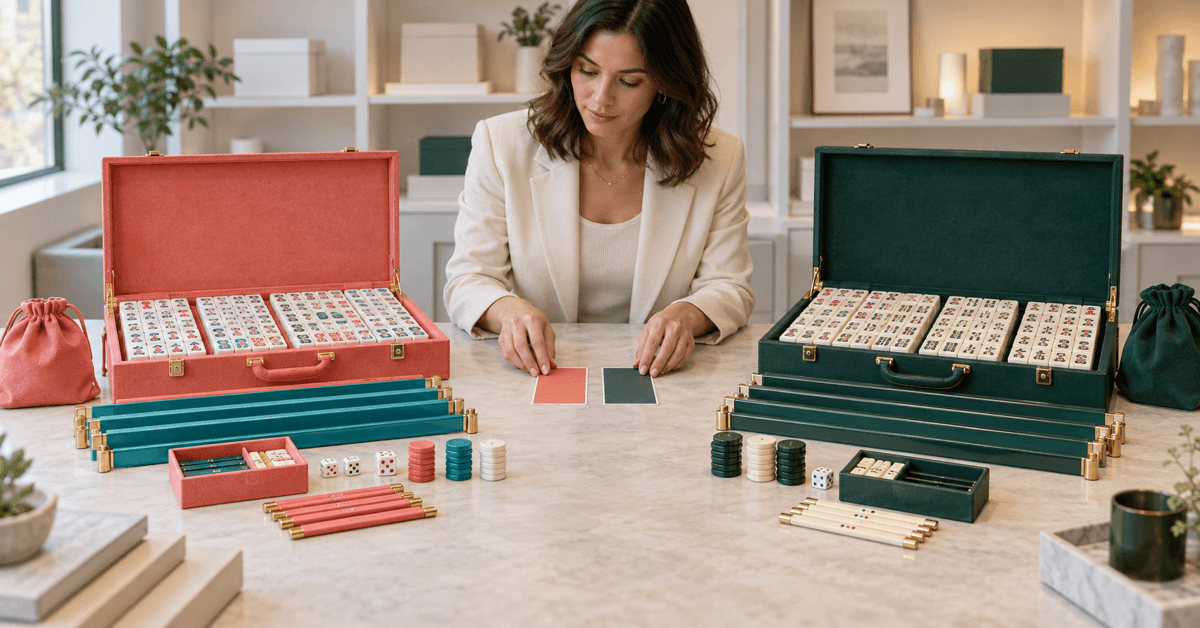
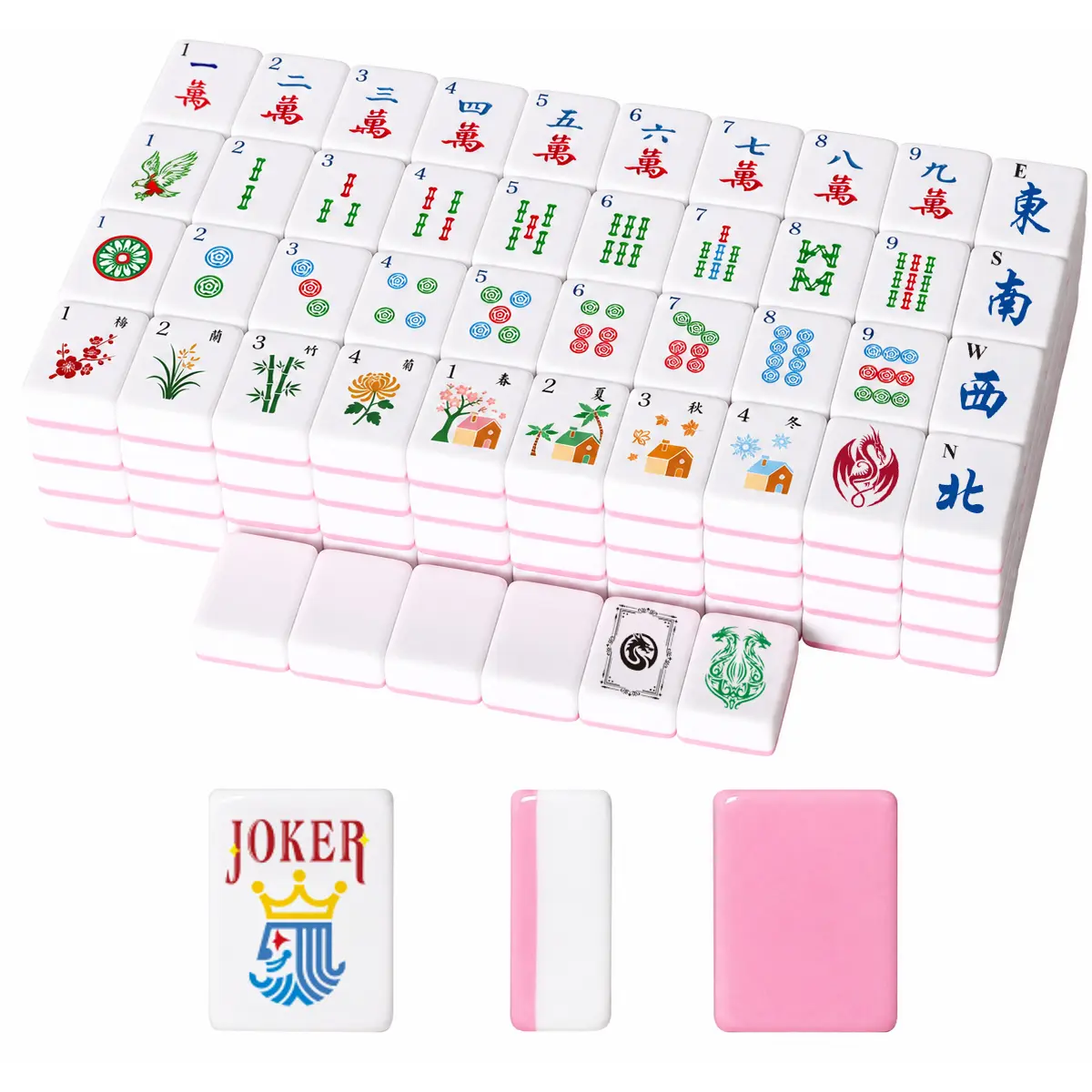
Do not use “complete set” as a specification. List the playable tiles, special tiles, spares, racks, pushers, dice, mat, rule material, case, and retail box. If an item is optional, mark it optional and identify which SKU includes it.
Artwork receives its own index
Attach a face schedule rather than placing every image inside the main table. The schedule should show file name, face ID, quantity, orientation, color reference, process, and revision. Add a separate line for backs and edges because those surfaces can follow different artwork and finishing rules.
Use links to controlled source files instead of screenshots pasted into messages. Note whether a visual is a production master, a size reference, or a rendering. A rendering can communicate intent, but it cannot settle physical color, polish, depth, or fit.
Engineering describes the object
Record nominal tile length, width, thickness, corner treatment, material direction, weight expectation when relevant, and critical interfaces. State the unit and measuring method. A number without a unit or a fit requirement invites assumptions.
Connect each critical dimension to its reason. Rack clearance, insert cavity, case closure, artwork safe area, and stack height are more useful than a long list of uncontrolled measurements. For a new geometry, identify the sample or drawing that authorizes tooling.
Turn mahjong set product specifications into a release map
A strong file does more than hold values. It shows which record controls each decision and where acceptance will happen. The following map keeps design, production, and inspection aligned without forcing every detail into one oversized table.
| Specification block | Controlling evidence | Release point | Final check |
|---|---|---|---|
| Tile construction | Dimensioned drawing and material note | Dimensional sample | Lot measurement and fit check |
| Faces and backs | Artwork index and approved proof | Decorated sample | Identity, position, contrast, orientation |
| Color and finish | Physical reference under named light | Color sample | Range comparison across the lot |
| Accessories | Bill of materials and interface notes | Complete-set sample | Count, function, fit, appearance |
| Retail pack | Dieline, copy file, pack-out photo | Packed sample | Labels, protection, closure, contents |
| Shipping carton | Carton drawing and marking file | Transit-ready sample | Quantity, marks, dimensions, condition |
Purchasing adds commercial boundaries
Technical files should not silently change the commercial deal. Link the specification revision to the quotation or purchase order. State the quantity by SKU, approved substitutions, buyer-supplied files, tooling responsibility, sample scope, and any destination-specific labels.
If a feature is still undecided, give it an owner and a due date. Do not release production with “TBD” beside a feature that affects molds, artwork, packing, or compliance. An open item register is honest; an invisible assumption is expensive.
Quality converts adjectives into checks
Words such as premium, smooth, accurate, and durable do not tell an inspector what to accept. Replace them with observable characteristics, reference samples, measuring methods, defect language, and an agreed response when a result falls outside the limit.
Separate critical, major, and minor concerns only after the parties agree what those terms mean for this product. A wrong face or unsafe sharp edge may carry a different consequence from a small cosmetic mark. If formal lot sampling is required, the plan and acceptance rules should be set by qualified parties rather than guessed from a generic AQL label.
Packaging gets a pack-out sequence
List the order in which tiles and accessories enter the insert, which surfaces face upward, where protective sheets sit, how bags close, and how manuals or rule cards are positioned. Add a photo of the approved open pack and a photo of the closed pack. The sequence matters when two arrangements fit but only one survives handling.
Record retail box dimensions, packed weight, carton quantity, outer dimensions, gross weight, marks, and label location after the physical pack is approved. Do not copy these values from an earlier concept if the insert or accessory list changed.
Plan the document around a reorder
A release file proves its value when the second order starts months later. Archive the source artwork, approved sample IDs, material description, color reference, packing photos, inspection record, and approved deviation. Ask the supplier to notify the buyer before changing a material, component, process, or production location that could affect the result.
Keep the old revision readable. A short change log lets customer service and quality teams understand whether field stock came from the earlier or later version. It also prevents a correction from disappearing when staff or suppliers change.
What to send with an RFQ
- Market format, audience, language, and exact component count
- Target dimensions, material direction, finish, and physical references
- Artwork status, face index, rights confirmation, and packaging files
- Accessory list with rack, pusher, case, mat, dice, and insert interfaces
- Quantity by SKU, destination, desired sample stages, and launch timing
- Inspection expectations, evidence needed, and responsible approvers
ABC Mahjong's custom Mahjong service covers artwork, colors, molds, packaging, and coordinated accessories. Buyers can also review the current product range before deciding which elements should remain standard.
FAQ
How long should a product specification be?
Long enough to control the product, but short enough to use. Keep the main release concise and move face schedules, drawings, dielines, and test plans into indexed attachments.
Is an approved sample enough?
No. A sample is valuable evidence, but the written file explains its identity, scope, and which characteristics it controls. Both should use the same revision.
Who should approve the specification?
Name the buyer-side commercial or technical authority and the supplier-side owner. Artwork, packaging copy, and quality limits may need additional specialist approval.
Can a supplier create the first draft?
Yes. The supplier can add process and construction detail, but the buyer should confirm the market promise, owned assets, acceptance criteria, and release authority.
What belongs in the bill of materials?
Every tile group, spare, rack, pusher, die, mat, manual, case, insert, box, label, protective item, and carton that is part of the deliverable.
How should photographs be used?
Give each approved photograph an ID, date, revision, and purpose. Do not treat an inspiration image as an acceptance standard.
What if a dimension is not critical?
Do not crowd the release with arbitrary limits. Record dimensions that affect fit, function, appearance, packing, or the customer promise and agree on practical checks.
How are approved deviations handled?
Record the affected lot, characteristic, reason, approver, and whether the deviation expires. Do not let a one-time concession become the new standard silently.
Should the quotation and specification share a revision?
They should be clearly linked. A change that affects materials, tooling, labor, packaging, or inspection may require a refreshed quotation and schedule.
Where can a buyer discuss a specification?
Send the current file, open questions, quantity, target market, and sample needs through the supplier's structured inquiry channel.
Release a product another team can reproduce
ABC Mahjong works with brands, wholesalers, retailers, and other B2B buyers on custom tiles, complete sets, accessories, packaging, samples, and production coordination. Read about ABC Mahjong and send the current release package through the contact page. Well-built mahjong set product specifications give both sides a stable place to make, inspect, and reorder the same product.