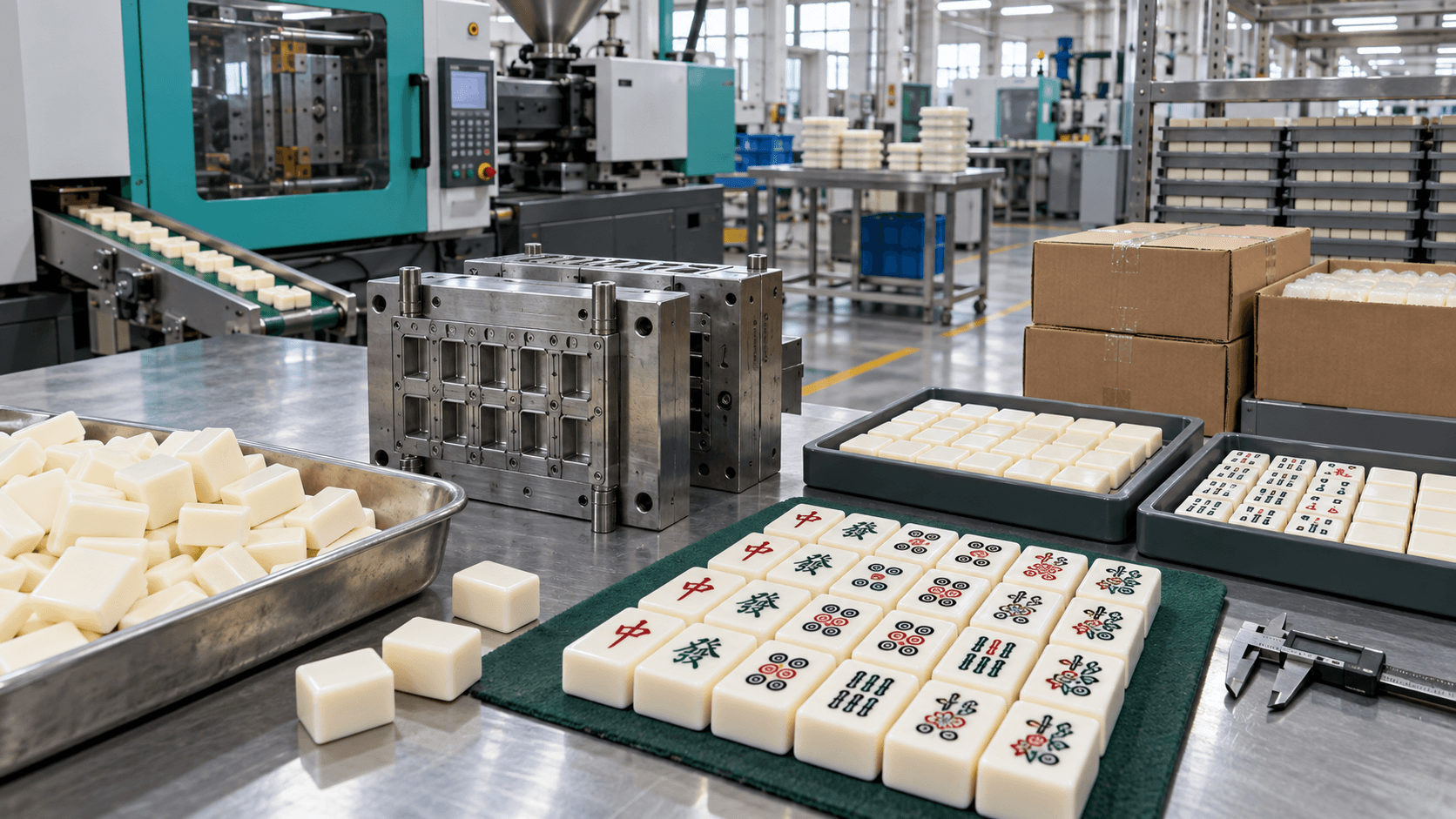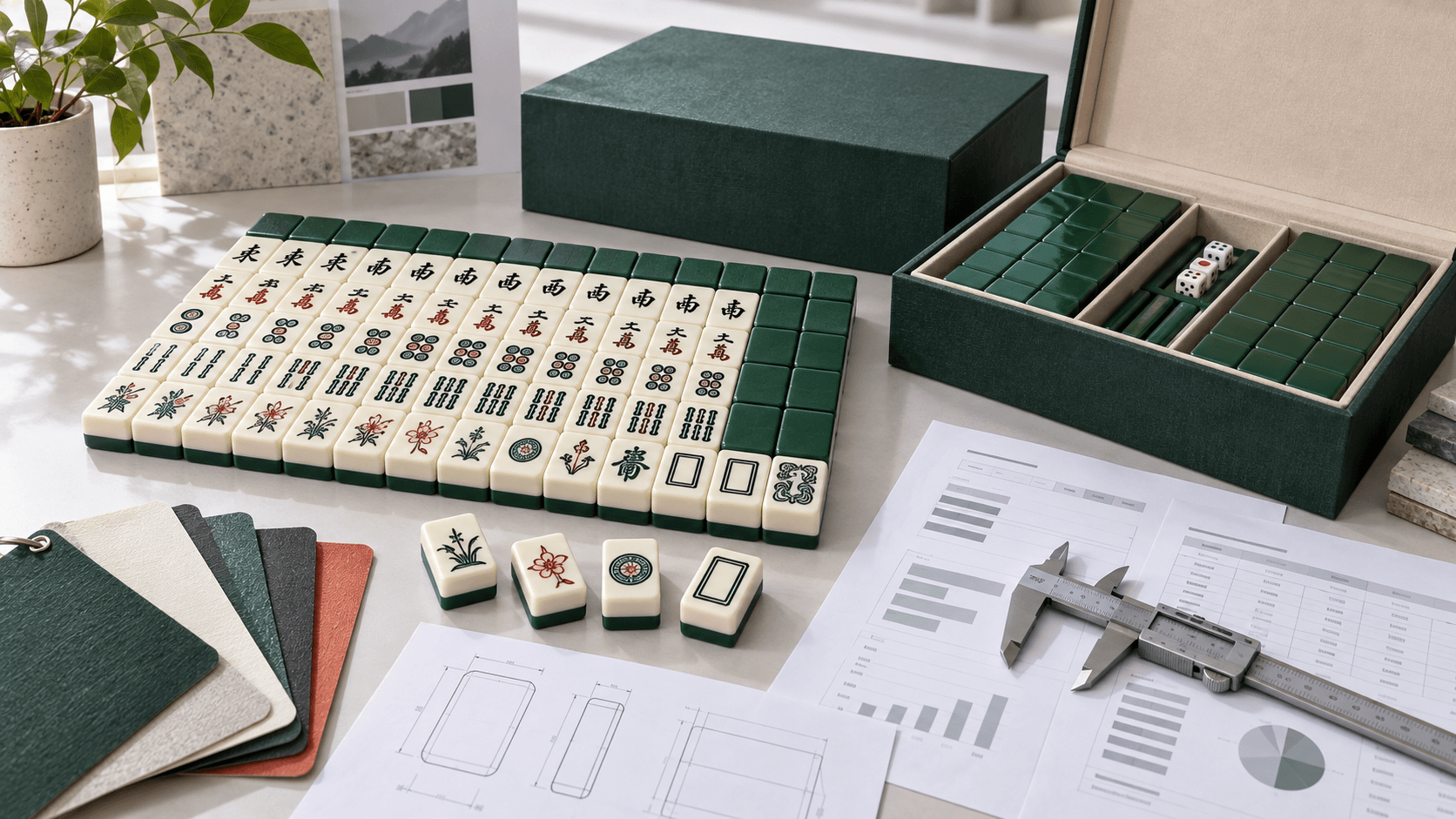
Corporate gift mahjong sets should be planned backward from the date and place where recipients need them. The event date is not the factory ship date. Between those points sit artwork approval, sampling, production, inspection, export packing, transport, customs, local handling, address sorting, and contingency time. A useful brief begins with the recipient and deadline, then chooses a level of customization that can be approved responsibly.
Write the event card before the product brief
Put five facts at the top of the project file:
- The event or gifting purpose
- The recipient profile and number of delivery points
- The date goods must be available locally, not merely dispatched
- The person authorized to approve artwork and samples
- The consequences of a late, incomplete, or substituted delivery
This card forces a useful conversation. A holiday appreciation gift sent to individual homes needs different packing and address control from a tournament kit delivered to one hotel. A limited executive gift may justify deeper customization. A large internal program with a fixed date may benefit from a proven structure and carefully chosen branding.
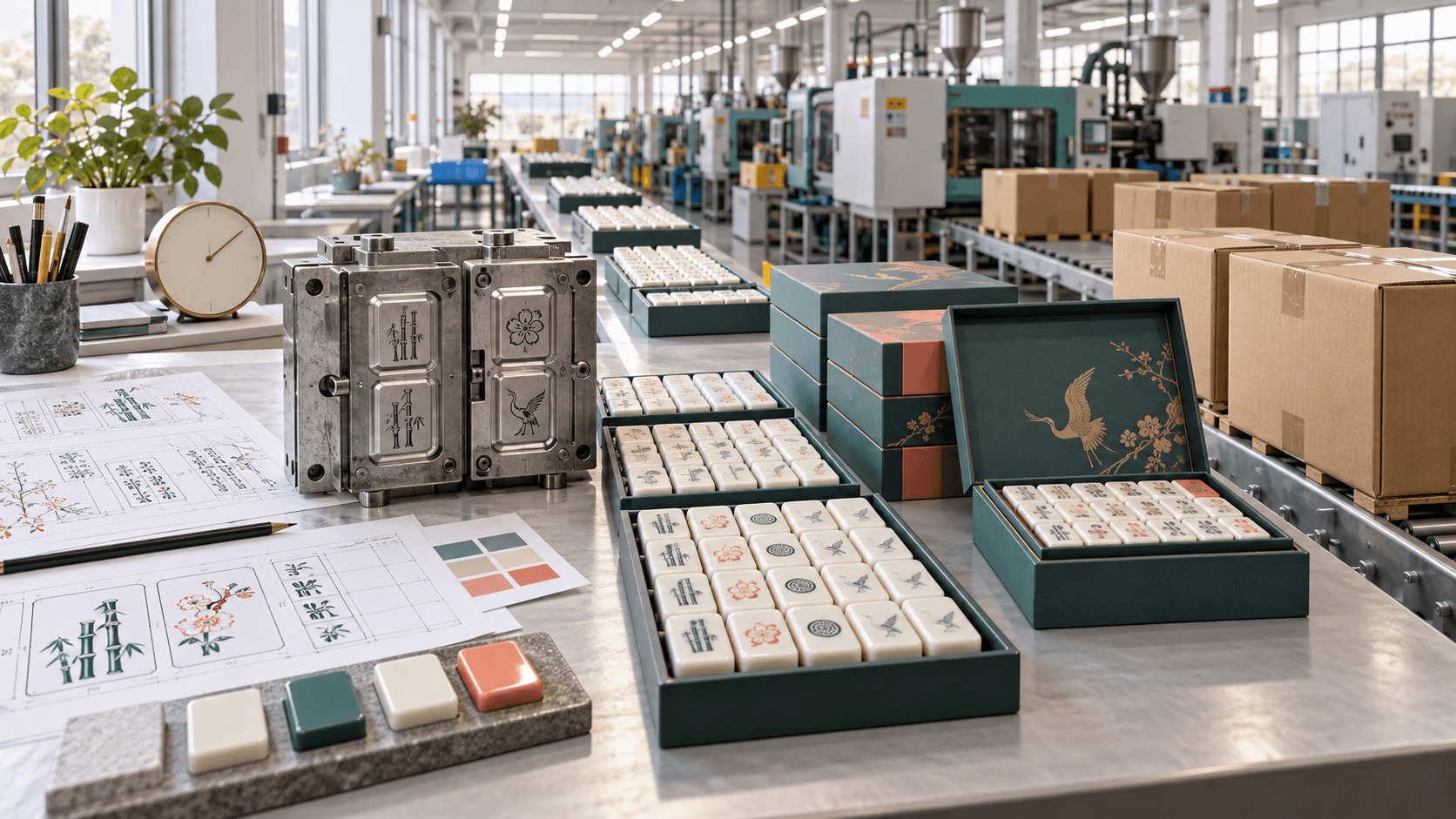
Plan backward through six decision gates
| Gate | Decision that must be closed | Evidence |
|---|---|---|
| Local availability | Goods received, counted, and ready for event use or final delivery | Receiving plan and contingency owner |
| Transport release | Route, documents, trade term, delivery points, and reserve time accepted | Booking and shipping instructions |
| Finished-goods approval | Product, personalization, counts, pack, labels, and cartons meet the order | Inspection record and packing data |
| Production release | Specification, artwork, quantity, packaging, and change control are frozen | Signed release package |
| Sample approval | The sample proves the agreed visual, functional, and presentation points | Comment sheet and approved revision |
| Concept approval | Recipient, budget direction, brand assets, product level, and approver are known | One-page project brief |
Ask the manufacturer for project-specific timing after the brief is reviewed. Tooling, artwork complexity, sample rounds, packaging, quantity, production load, transport mode, and destination all affect the schedule. Publishing a universal lead time would create false certainty.
Choose the gift level by meaning, not by the number of custom features
A gift can feel considered without changing every component. Decide what the recipient should remember. There are three useful directions.
Brand-led adaptation
Start with an established Mahjong format and concentrate the brand on selected surfaces: a back design, case mark, message card, sleeve, label, or rule insert. This direction can suit programs where schedule control and consistent presentation matter more than structural exclusivity.
Coordinated collection
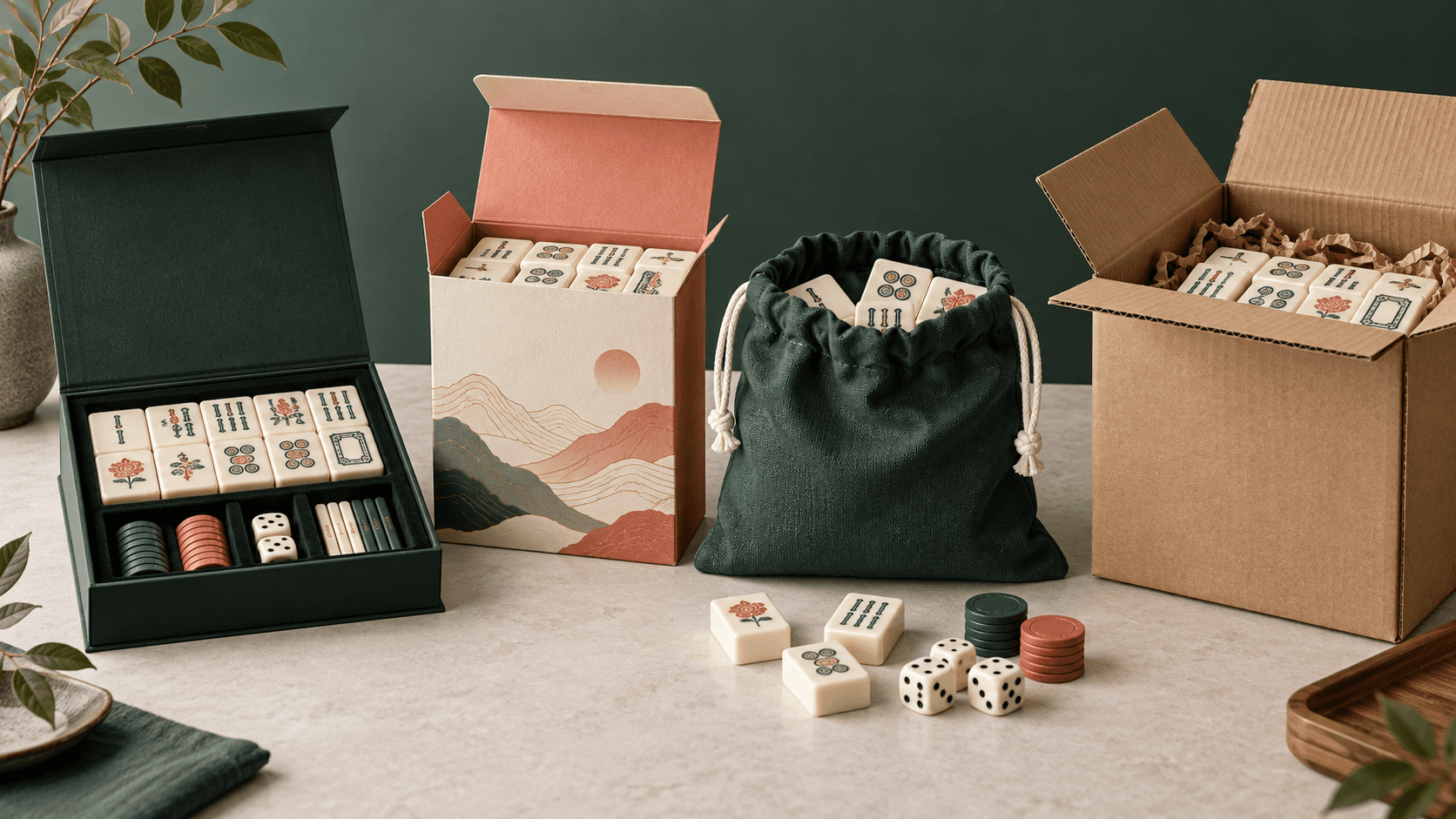
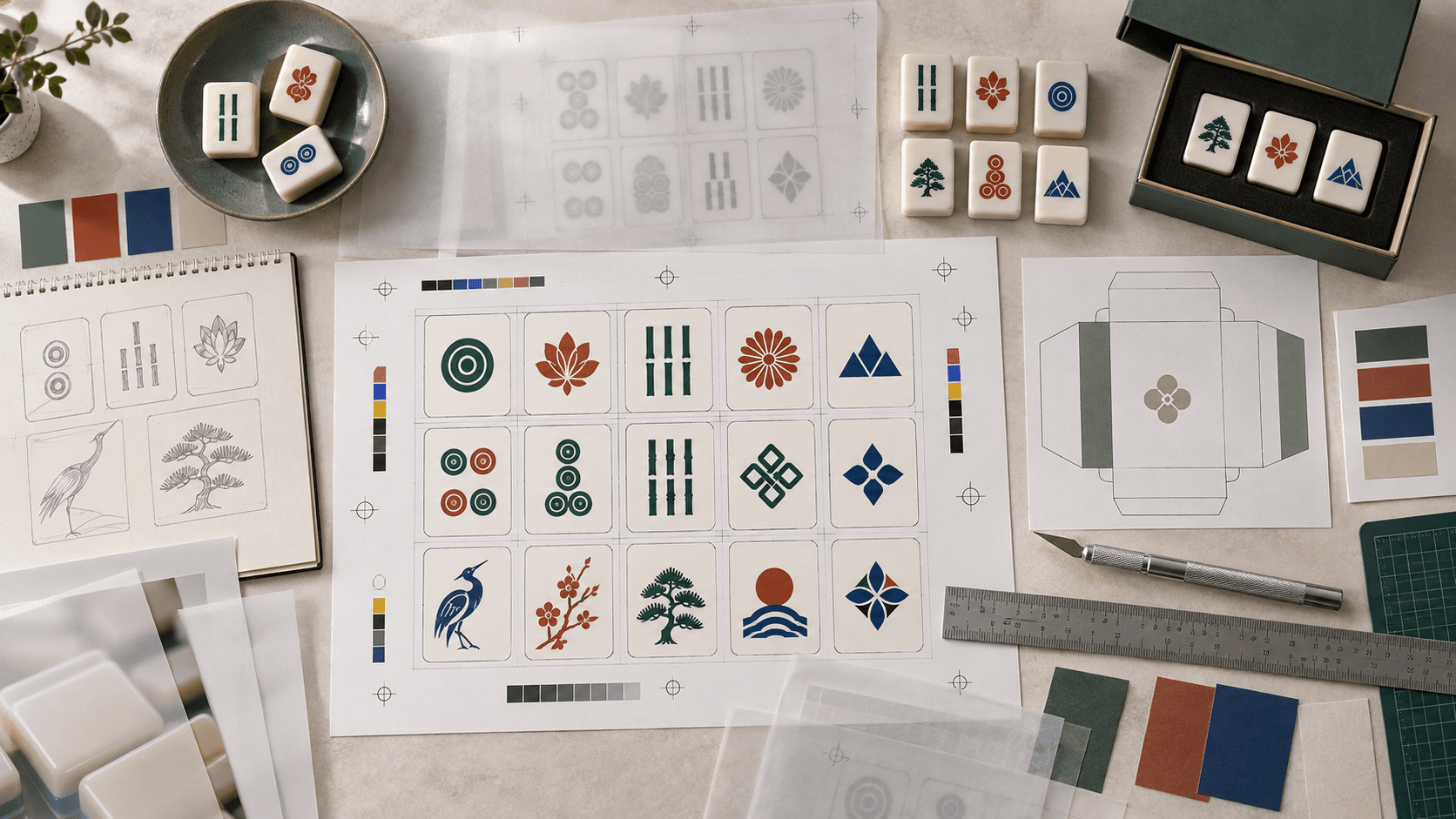
Develop tiles, racks, pushers, dice, case, and printed material around a shared palette and visual language. Not every part needs a new mold. Coordination comes from deliberate choices and a clear component map.
Exclusive product development
Use new artwork, special material effects, custom molds, or a unique package structure when exclusivity is central to the gift. This direction requires more decisions and validation. It should be chosen early, with enough room for sample feedback.
The recipient decides what belongs in the set
A regular American Mahjong group may value racks, pushers, readable numerals, jokers, and organized storage. A mixed group of experienced and new players may need a clear orientation card or rule material suited to the intended format. An international audience may require language review and a more explicit component guide.
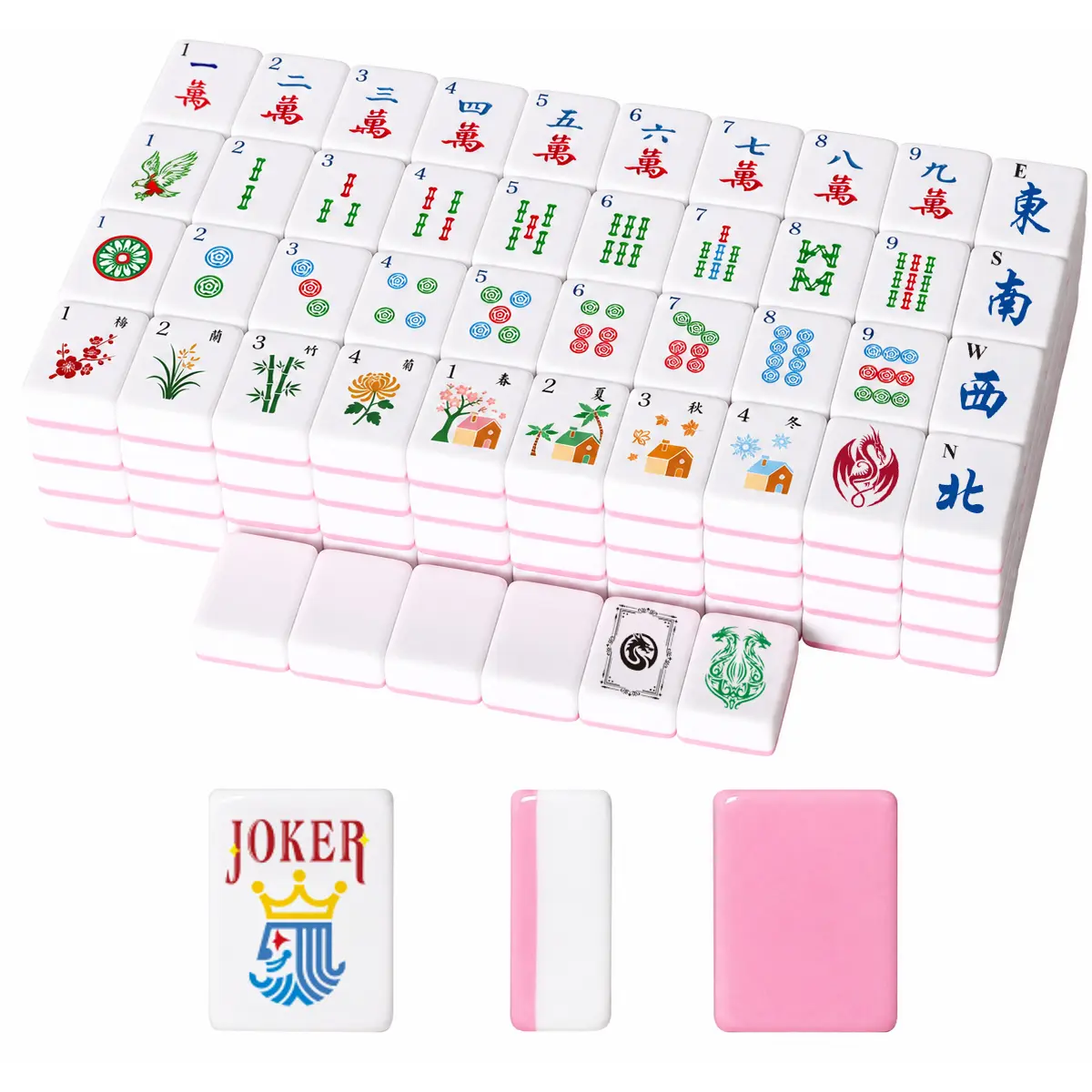
Do not treat the label "Mahjong" as a complete specification. Confirm the game format, tile faces and count, dimensions, accessories, language, and intended play environment. If the buyer is unsure, mark those items for discussion rather than allowing assumptions into production.
Personalization creates a data project
One logo on every box is straightforward compared with individual recipient names, department cards, numbered editions, or several event locations. Personalization adds data collection, spelling approval, file generation, sorting, and reconciliation.
Use a controlled spreadsheet with one row per recipient or version. Include a unique ID, exact display name, approved spelling, product version, card message, delivery group, and status. Protect personal data according to the buyer's policies and applicable law. Send only the data needed by each party, and agree on deletion or retention requirements.
Before full production, approve representative examples: the longest name, special characters, two-line layouts, and any version with a different message. A template that works for "Amy Li" may fail for a long organization name.
Clear artwork rights before the logo enters a sample
The buyer should own or have permission to use every logo, character, photograph, pattern, and licensed mark supplied for the project. Brand teams sometimes assume that an event sponsorship or internal presentation permits use on merchandise. That assumption needs to be checked.
The World Intellectual Property Organization notes in its Making a Mark publication that trademarks help distinguish one company's goods and services, and its guidance discusses licensing and trademark management. Obtain written authorization where required, define approved colors and clear space, and identify any territory, quantity, channel, or date limits. The manufacturer can follow released art; it cannot grant rights that belong to another owner.
Make the opening moment do one job well
A gift unboxing can communicate appreciation, introduce the product, or create an event ritual. Trying to do all three across six layers of copy often weakens the result. Decide what appears first.
- Appreciation first: a concise message card sits above the product.
- Product first: the tile color and coordinated components are visible immediately.
- Event first: a sleeve or insert names the occasion while the reusable case remains less dated.
- Learning first: a welcome guide helps new players identify the set before they remove every component.
Keep temporary event information on a removable part when recipients may use the set for years. A dated sleeve can celebrate a moment without making the storage case feel obsolete.
Pack for the handoff that actually occurs
Map the final mile. One shipment to an event organizer is different from hundreds of direct-to-recipient parcels. For a single venue, label cartons by room, session, team, or opening order if that helps staff. For split destinations, create a carton and address reconciliation process. For individual delivery, decide whether the presentation pack needs an outer shipping carton and what happens to an undeliverable parcel.
Include a small overage or replacement approach only when the buyer and supplier agree on it. Do not assume spare units can be created after production on the same schedule. Record who holds them, which personalization they carry, and how a replacement will be authorized.
Use a decision log to protect the date
| Decision | Owner | Close before | Fallback |
|---|---|---|---|
| Game format and set configuration | Product owner | Artwork and packaging dimensions | Use a previously validated configuration |
| Logo and message approval | Brand or legal approver | Sample release | Use approved corporate mark and neutral message |
| Personalization data | Program coordinator | Variable artwork generation | Switch to group-level cards if agreed |
| Delivery route and addresses | Logistics owner | Packing and booking | Consolidate to an approved local hub |
| Late change request | Named executive approver | Any released stage | Reject, defer, or accept revised risk in writing |
The fallback column is not permission to improvise. It is a pre-agreed choice that can be activated if a deadline-critical input fails to arrive. Without it, teams lose time debating options precisely when time is scarce.
Approve a sample room, not just a hero photograph
Place the sample on a table and simulate the event. Open it from the position a recipient will use. Read the card aloud. Remove the tiles and accessories. Check whether pieces are easy to lift, whether the logo orientation makes sense, and whether the set can be repacked without instructions from the designer.
Review the sample with product, brand, event, and logistics representatives together when possible. A brand manager may notice an incorrect clear space. An event coordinator may see that a ribbon slows distribution. A logistics manager may question a fragile finish. One combined review is often more useful than four disconnected approval emails.
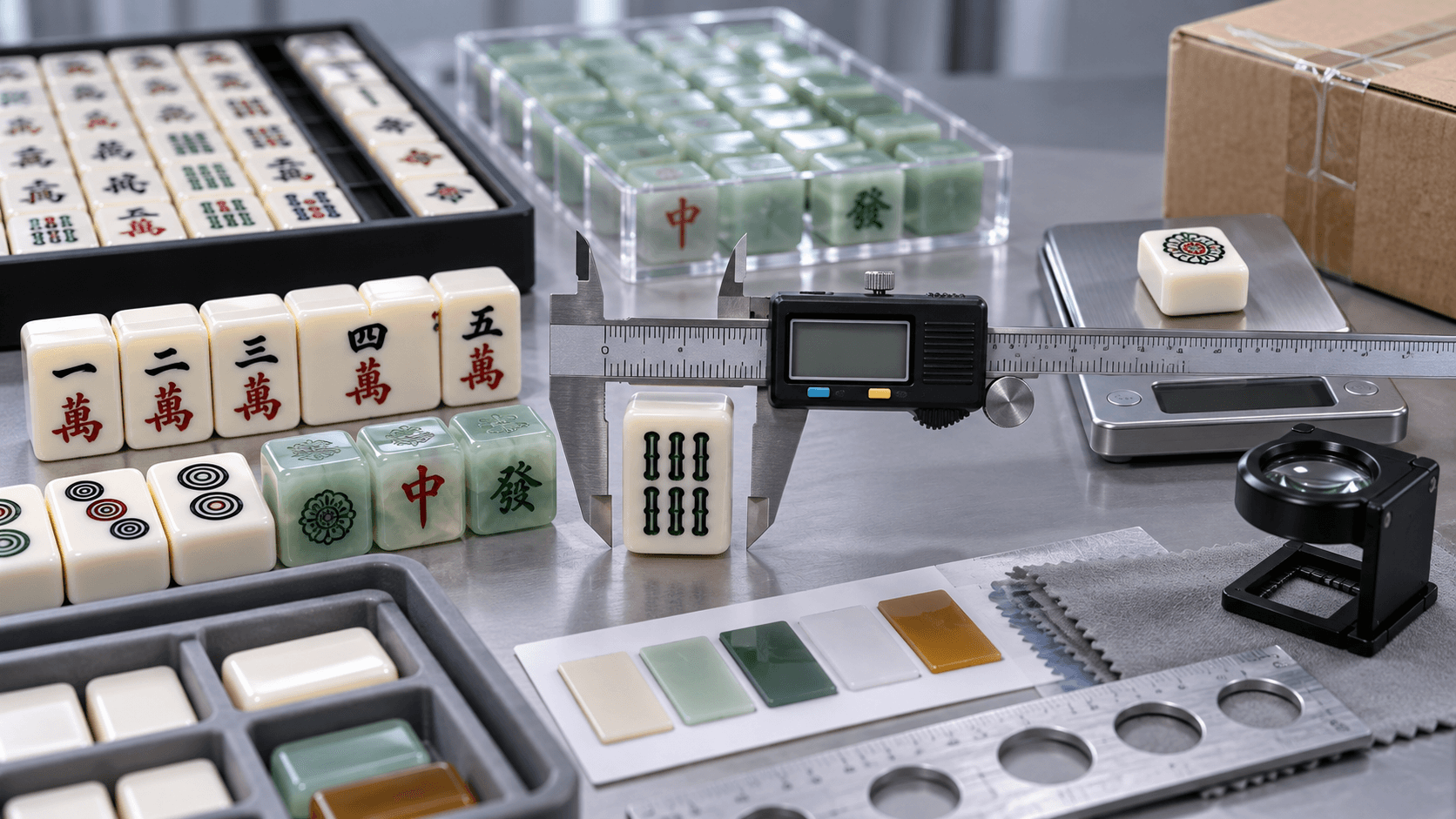
Quality checks for corporate gift mahjong sets
- Correct face schedule, tile count, and special tiles
- Logo, color, message, date, and personalization against released files
- Tile dimensions, finish, artwork alignment, edges, and visible consistency
- Rack, pusher, dice, case, and other accessory count and fit
- Opening sequence, insert fit, surface protection, and closure function
- Recipient or version reconciliation for variable content
- Retail or event labels, carton marks, inner quantities, and destination groups
- Packed-product checks suited to the agreed distribution route
Photograph representative finished sets and cartons, but keep the written report. If one recipient later reports a problem, the project ID and version should help identify whether it is isolated or part of a pattern.
FAQ
Can each gift carry a recipient name?
It may be possible depending on the component, process, quantity, data quality, and schedule. Treat variable names as a separate data and proofing workflow, not a last-minute text change.
Should the event date appear on the permanent case?
Only if that supports the intended keepsake. A removable sleeve, card, or band can celebrate the event while leaving the storage case useful beyond it.
What should be customized first?
Choose the element that carries the gift's meaning: tile back, selected faces, case, message card, packaging, or a coordinated palette. More custom parts do not automatically create a better gift.
How early should a buyer start?
Ask for a project-specific schedule as soon as the date, quantity, destination, customization, and approval process are known. New tooling, sample rounds, variable data, packaging, and split delivery need additional planning.
Can the manufacturer choose the game format?
The manufacturer can discuss available formats, but the buyer should approve the exact tile configuration, rules context, language, and accessories for the intended recipients.
Who approves licensed logos or characters?
The buyer must confirm ownership or authorization and supply approved usage rules. Legal review may be needed for third-party intellectual property.
What information should an event RFQ include?
Provide the occasion, recipient profile, quantity, game format, product direction, logo files, packaging idea, personalization needs, delivery points, local-availability date, destination, and named approver.
Give the date a product plan
ABC Mahjong supports custom tiles, coordinated accessories, storage cases, gift boxes, labels, printed materials, private label work, sampling, production, and global delivery coordination. Browse the product range, explore custom options and workflow, and review the company's manufacturing support. Then use the contact page to share the event date, recipient, quantity, destination, branding, and approval process. ABC Mahjong can review the brief for your corporate gift mahjong sets and confirm a realistic project direction before production terms are agreed.