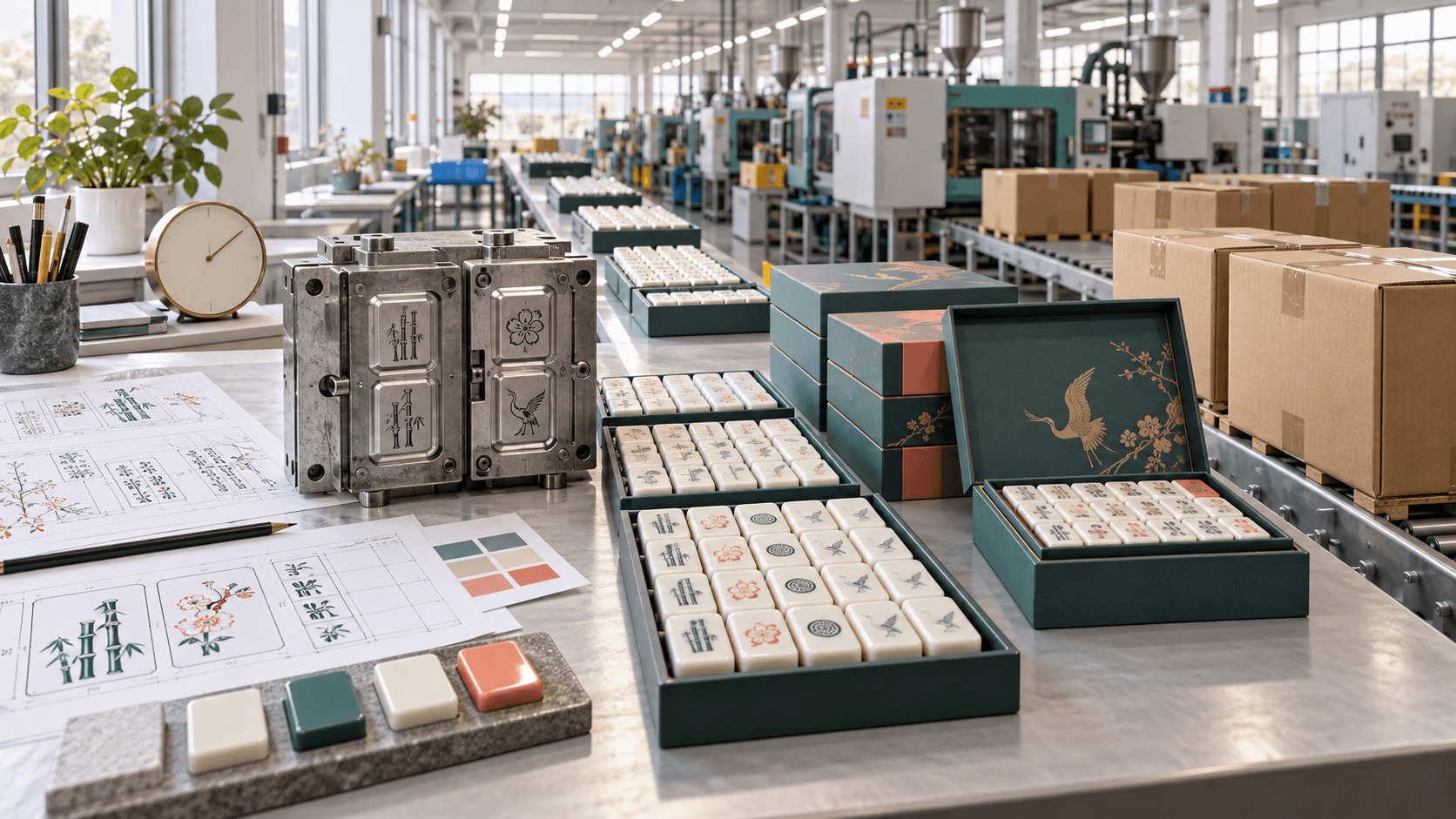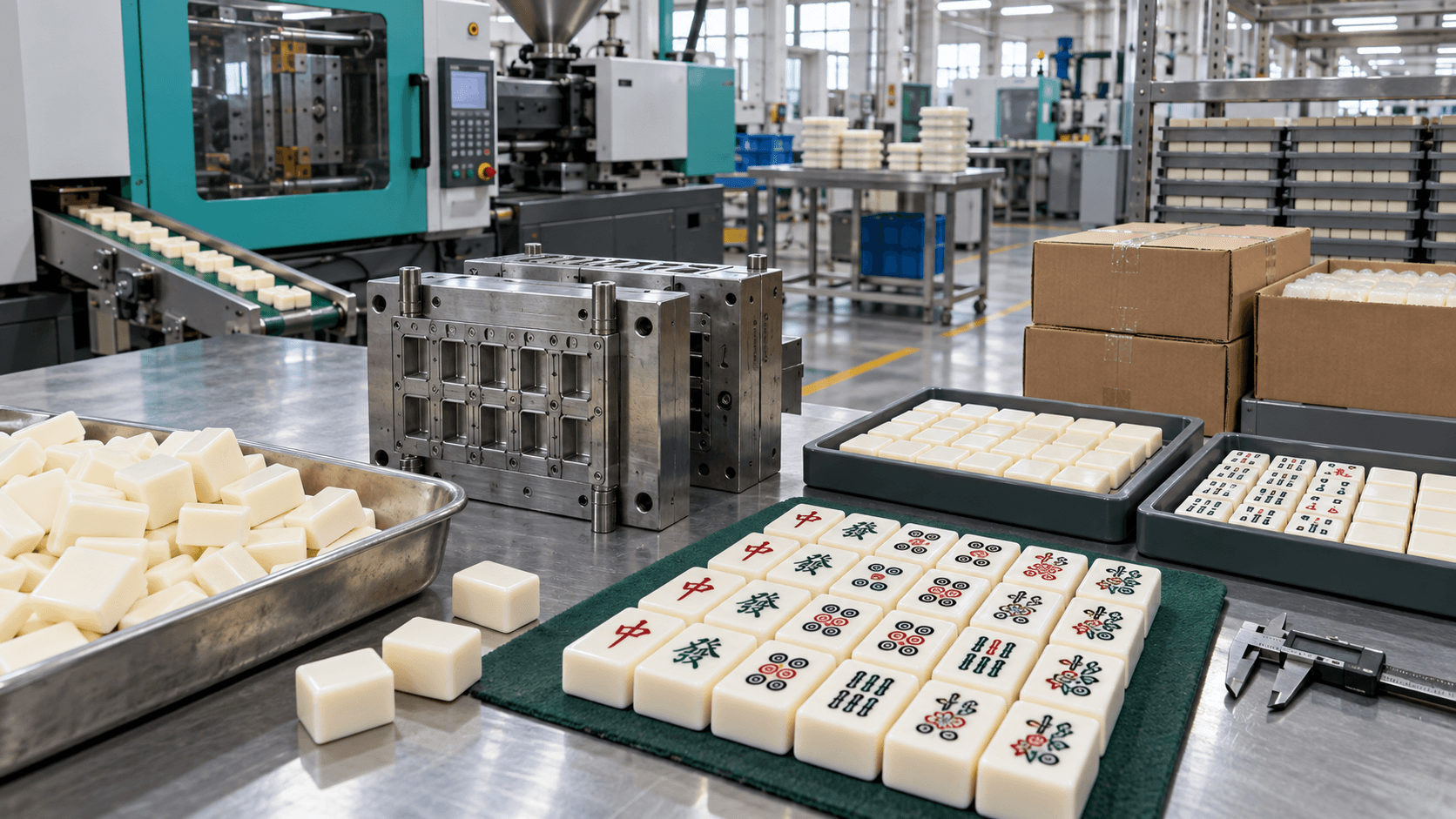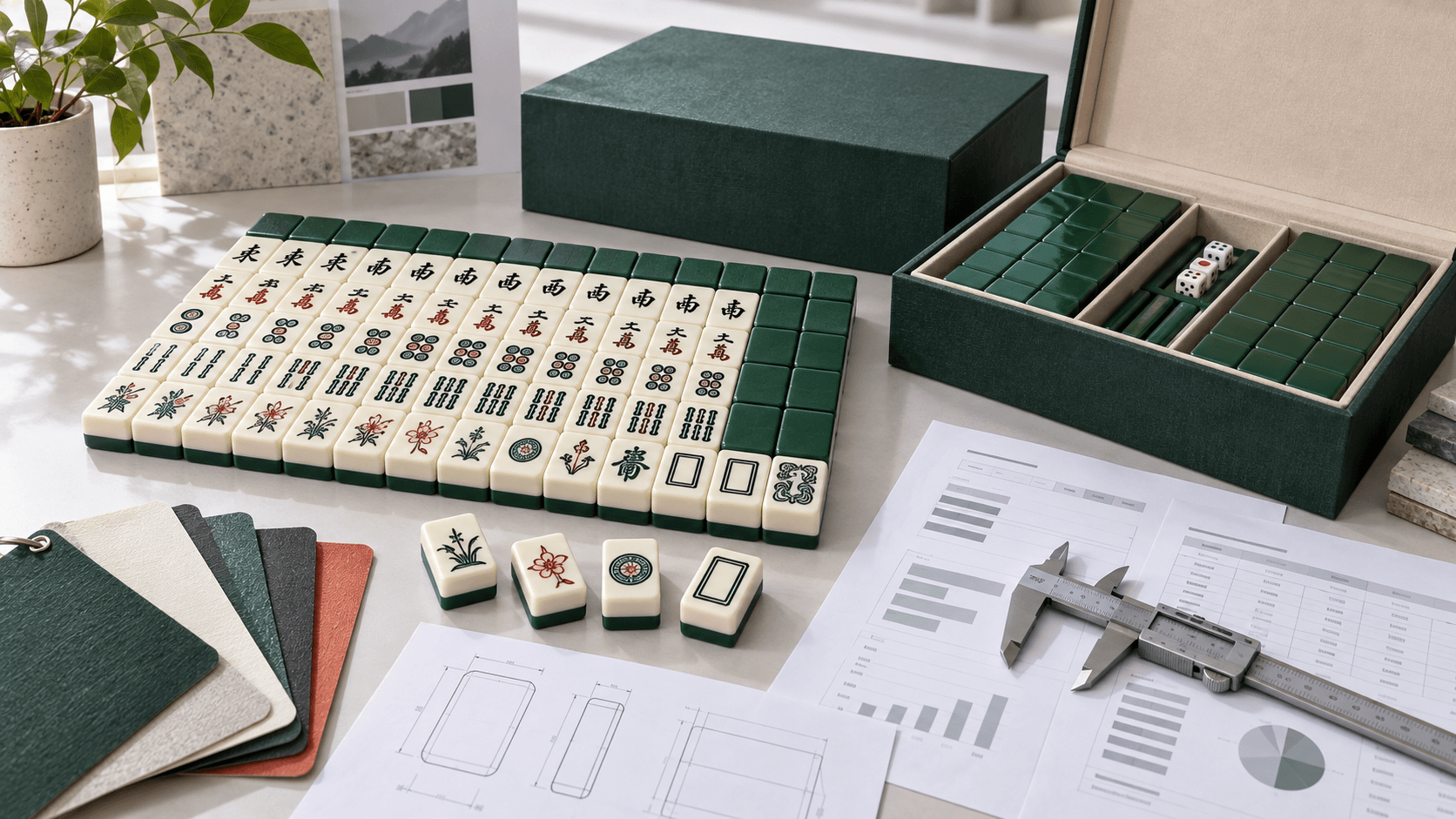

bulk mahjong replacement tiles work best when they are treated as a service product, not as a loose pile of spare pieces. A retailer or club needs to identify the customer's set, select the right face, ship a usable quantity, and preserve the same look when the next request arrives.
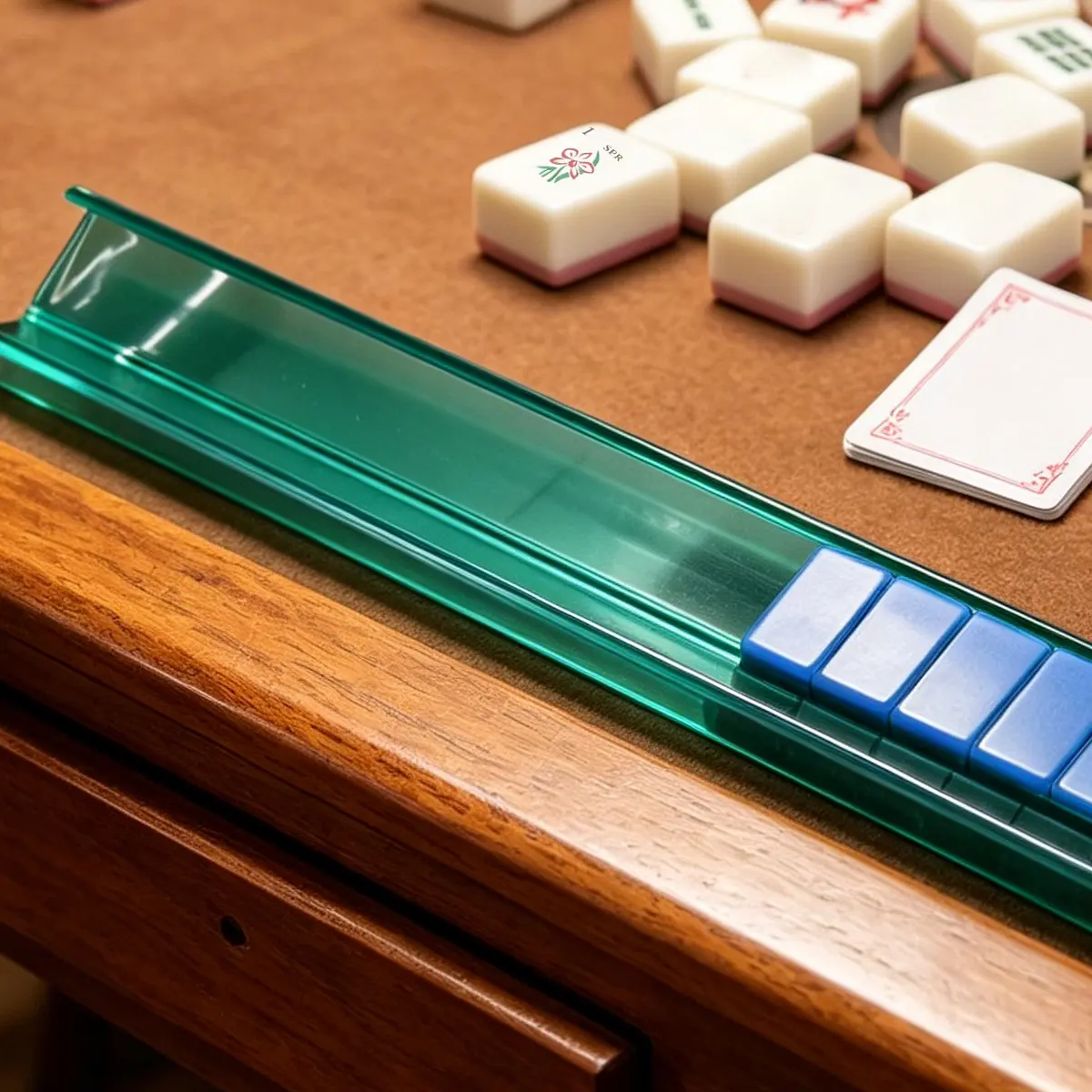
Start with the service promise
Decide whether the program covers one private-label collection, several standard formats, club maintenance, retailer after-sales, or all of these. Define which missing, chipped, faded, or lost pieces qualify and what information the requester must provide. A small service rule prevents a support team from promising a match that the inventory cannot prove.
Make the promise visible on the product page, package insert, and internal support file. State the format, face system, quantity, colorway, and whether the replacement is an exact match or a compatible substitute.
A service manager can define bulk mahjong replacement tiles as a stable offer with a start and an end. The start is a verified customer request: collection, revision, face, quantity, and shipping address. The end is a checked parcel and a recorded deduction from service inventory. Between those points, support needs a reference that is clear enough for a new colleague to use. That modest discipline turns an emotional “please help me find one tile” message into a repeatable operational path that can be measured and improved.
Build a face and component identity map
| Identity field | Example decision | Service use |
|---|---|---|
| Collection ID | Brand family and revision | Separates old and current artwork |
| Face ID | Named tile, special, or blank | Lets support select one piece correctly |
| Quantity unit | Single, pair, suit group, or service pack | Prevents count misunderstandings |
| Body and back | Size, material, color, pattern | Checks physical compatibility |
| Revision date | Approved artwork and finish version | Protects a later reorder from drift |
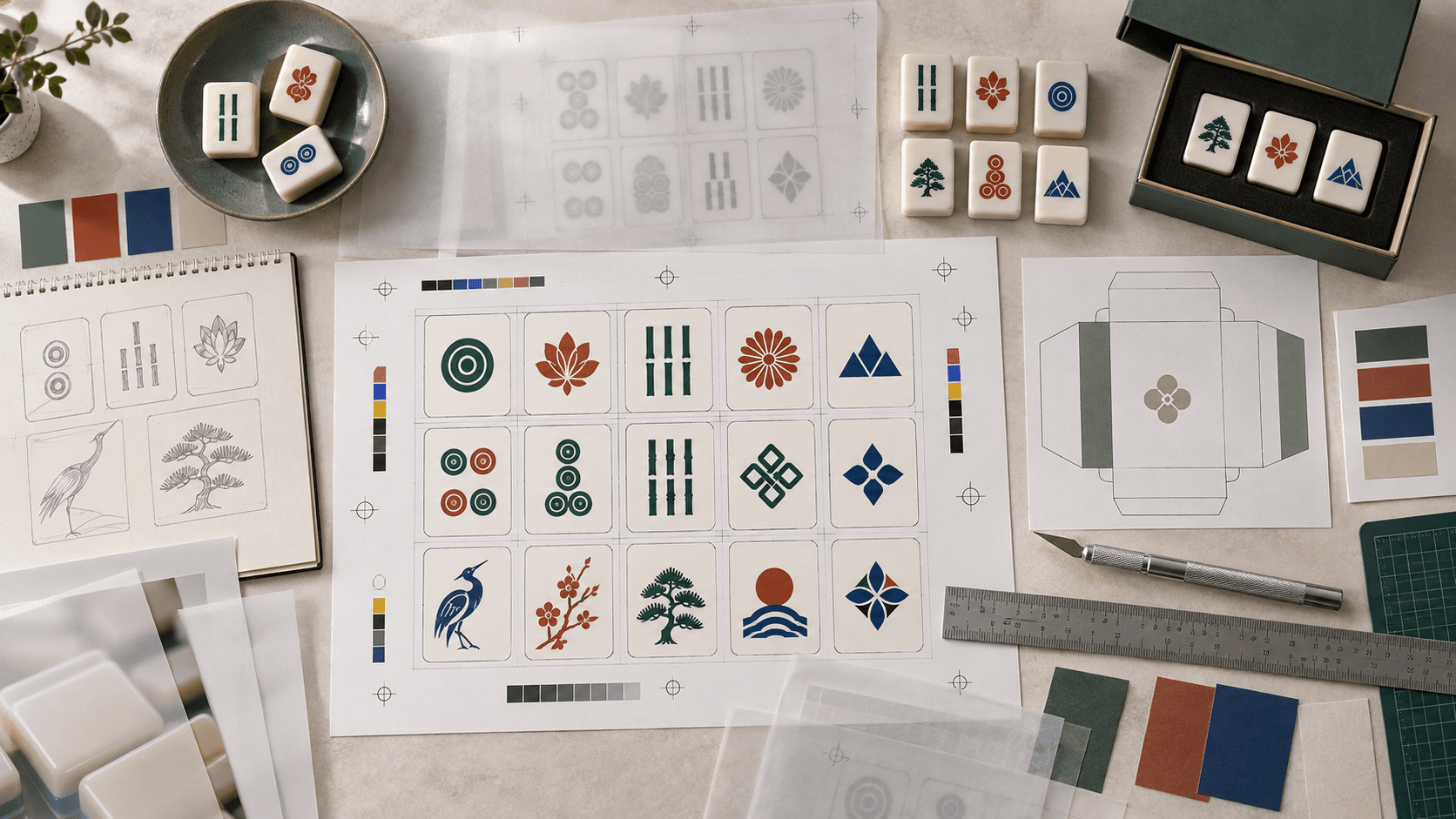
Photograph the complete face schedule with readable IDs. Do not rely on customer descriptions such as “the green dragon” when several editions use similar marks. A support map can include a small reference grid, but it should not replace a controlled file.
Compatibility is more than a face
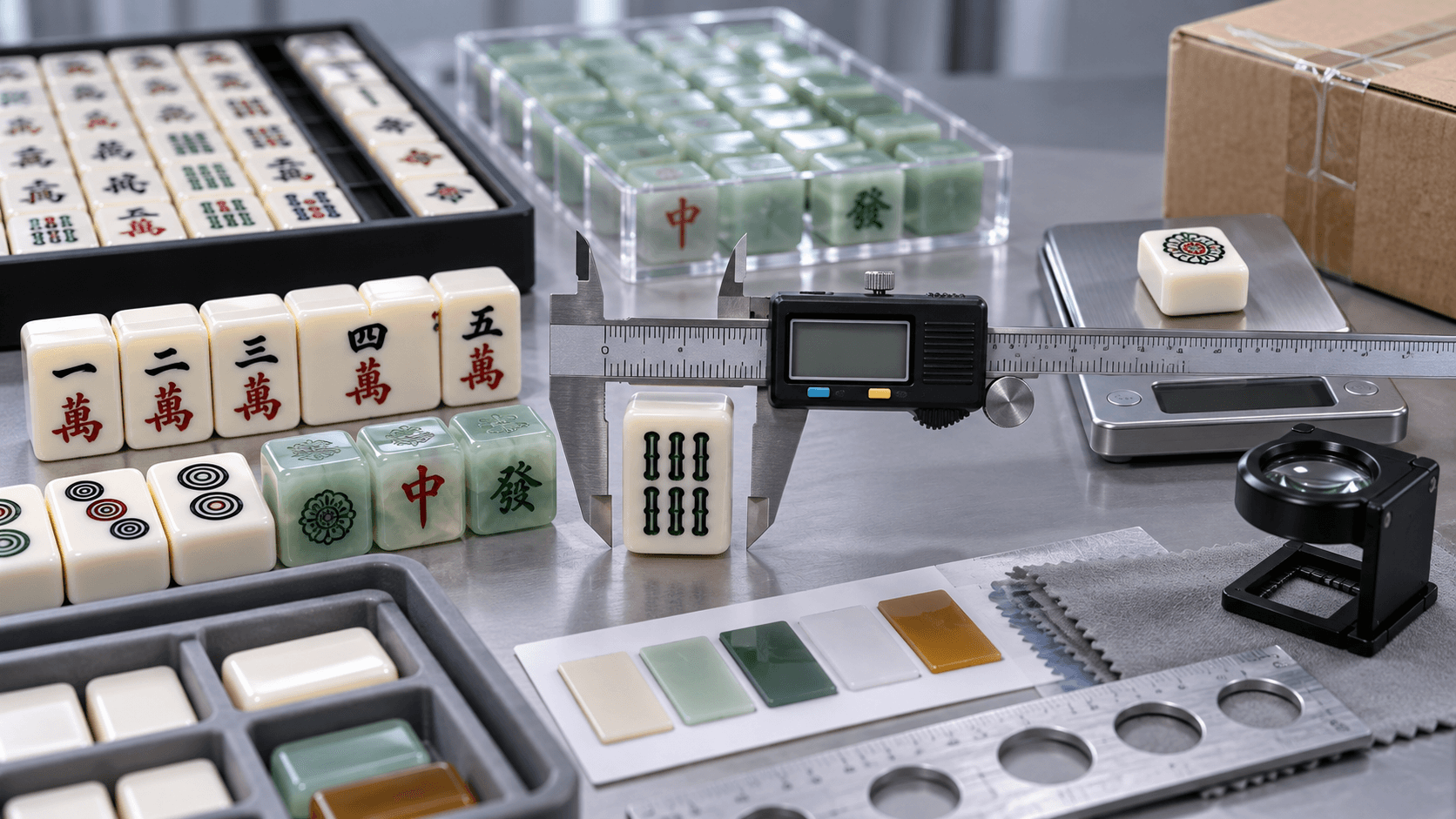
Check the tile envelope, thickness, corner treatment, body material, back pattern, and finish. A replacement that looks correct can still stand differently in a rack or sit higher in an insert. Record the compatible set or collection and the dimensions used to decide.
For mixed service inventory, label each bin with collection, revision, face group, and physical reference. Keep an incompatible substitute in a separate location even when the face artwork is similar. Confusing a service bin is an avoidable customer-care problem.
Choose practical pack sizes
One-piece service may suit a lost tile, while a small grouped pack may reduce handling and protect against future loss. Club operators may prefer a replenishment carton. Retailers may need a compact mailer with a clear part label. The pack size should follow the service scenario rather than the factory's easiest count.
| Pack type | Best use | Control point | Shipping note |
|---|---|---|---|
| Single-piece envelope | Individual loss or damage | Face ID and set compatibility | Protect surface from rubbing |
| Small face group | Common club or retailer repairs | Count and group label | Use a rigid inner support |
| Format service pack | Refurbishment or event stock | Full face index and revision | Keep groups separated inside carton |
| Replacement carton | Distributor or service-center inventory | Bin map and replenishment record | Mark carton by collection and lot |
Include a short instruction that tells the receiver how to identify the piece and where to ask questions. A service package should be easy to store and easy to explain.
Keep the physical reference current
Retain an approved sample for each body and back combination. Note whether the sample controls color, gloss, engraving depth, print position, or only the general identity. Replace the reference when an approved revision changes and archive the earlier version with a clear end date.
Use the same reference during incoming checks and customer-service photography. A new camera, light, or screen can make a close match look different, so confirm uncertain cases with physical evidence.
Inventory the right risk
Forecast service demand from installed sets, channel volume, failure history, and the age of the collection. The highest-volume face is not always the most important: a rare special piece can create a complete-set failure when it disappears.
Set a minimum level for each collection and a review trigger for slow-moving stock. Record service consumption separately from production rejects. Mixing the two hides both demand and quality signals.
Give every service item an operational identity
GS1 explains how identification keys support trade-item and logistics data. Its ID-key guidance is a useful starting point for SKU and barcode planning; the actual assignment and channel requirements remain the buyer's responsibility.
Use an internal SKU that names collection, face group, revision, and pack size. Add a barcode or readable label when warehouse volume justifies it. The label should not be the only source of identity; the service file must explain what the code means.
Set a replacement quality check
- Verify collection and revision before picking.
- Compare face, back, body size, and finish with the approved reference.
- Count the service pack using a fixed sequence.
- Check protective packaging and readable labels.
- Record lot, picker, checker, and any substitution.
- Photograph unusual cases for future support training.
A replacement route should also feed product improvement. If one face fails repeatedly, review the original finish, packaging, or customer handling rather than treating every request as an isolated parcel.
Protect continuity when a collection changes
When a back artwork, material, finish, or tile size changes, decide whether old service stock remains valid. Create a compatibility note that tells support which revision can replace which earlier revision. If no exact match exists, explain the visual and functional difference before shipment.
Keep the face index, sample photos, packaging file, quote, and reorder notes together. This makes a small service request manageable even after the original launch team has moved to another project.
Plan sourcing and service together
ABC Mahjong's product range includes tiles and related accessories, while its custom Mahjong service can coordinate private-label faces, colors, packaging, and replacement planning. Send the collection map, installed quantity, target pack sizes, and destination through the contact page.
A service SKU also deserves a small commercial review. Compare pick labor, protective materials, postage, minimum stock, and the cost of an incorrect match. When the service promise is priced honestly, a retailer can keep it active instead of abandoning it after the first few urgent requests.
Review those assumptions with support and finance before the first service carton is ordered. Their questions often reveal a missing label, an unrealistic response time, or a pack size that creates more handling than value. Adjust the offer while inventory is still flexible.
Keep the approved promise visible to the warehouse, too.
That keeps urgent picks from becoming guesses.
It also gives a distributor a simple answer when a customer asks what will arrive.
FAQ
Should replacements be sold as singles?
Singles are useful for individual loss, but grouped packs can lower handling cost and protect common service needs. Offer the pack size that matches the channel and the support promise.
How does a customer identify the correct tile?
Use a face map, collection name, revision, and a clear visual reference. Ask for a photo or order record when several editions share similar marks.
Can a compatible substitute replace an exact match?
Only when the buyer or customer understands the difference and the substitute fits the set. Record the decision so support does not describe it as an exact match later.
What physical details should be checked?
Check face, back, body dimensions, thickness, corner treatment, material, finish, and any rack or insert interface relevant to the original set.
How long should service inventory be kept?
Set a review policy based on installed units, channel demand, product life, and the ability to reproduce the part. Archive obsolete stock rather than silently mixing revisions.
Do service packs need barcodes?
High-volume distribution often benefits from a stable identifier and barcode. Smaller programs can use readable labels, but the underlying identity map should still be controlled.
How should service stock be stored?
Separate collections and revisions, protect surfaces from rubbing, use a bin map, and keep a physical reference close enough for picking and checking.
Can replacement demand reveal a quality problem?
Yes. Track the reason, face, collection, lot, and channel. A repeated pattern may point to decoration, packaging, handling, or an artwork misunderstanding.
What if the original set is discontinued?
Explain whether an exact part, a tested compatible part, or no service option exists. A documented alternative is better than sending a visually similar piece without context.
Where can a brand request a service-SKU plan?
Send the collection list, face schedule, sample references, installed base, target channels, and replacement quantities through the project inquiry route.
Make after-sales part of the product
Read about ABC Mahjong and request a service discussion through the contact page. A disciplined bulk mahjong replacement tiles program protects customer confidence while giving distributors and retailers a manageable, repeatable SKU structure.