
Mahjong sets for subscription boxes need to earn their place inside a tightly planned parcel. The product must fit the audience promise, survive the chosen delivery route, explain itself quickly, and leave the subscriber with a reason to stay. That makes curation a product-development task, not simply a bulk purchase.
Choose the subscription moment first
Why is Mahjong appearing in this month's box? A cultural-learning box may need context and a beginner-friendly insert. A design-led lifestyle box may focus on color, object quality, and display. A games box may care most about completeness and immediate play. A corporate membership box may need controlled branding and address-level delivery.
Write the subscriber promise in one sentence. Then remove any component that does not support it. Subscription parcels punish vague assortments because every extra accessory consumes space, weight, budget, and explanation.
Four curation models
| Model | Core content | Best suited to | Main risk |
|---|---|---|---|
| Complete-play set | Full approved tile configuration with essential play accessories | Games, clubs, and premium boxes | Parcel size, weight, and first-use clarity |
| Compact discovery edition | Purpose-defined mini experience or collectible selection | Culture and design audiences | Subscriber may assume it is a complete playable set |
| Branded collaboration | Custom back, selected faces, box, and story insert | Creator and corporate collaborations | Rights approval and artwork schedule |
| Accessory-led box | Racks, pushers, mat, dice, storage, or care items | Existing player communities | Compatibility with sets subscribers already own |
Do not market a partial configuration as a complete game. If the offer is decorative, collectible, or introductory, say so plainly. The title, insert, product page, and customer-service script should use the same description.
Build the box from the unboxing sequence
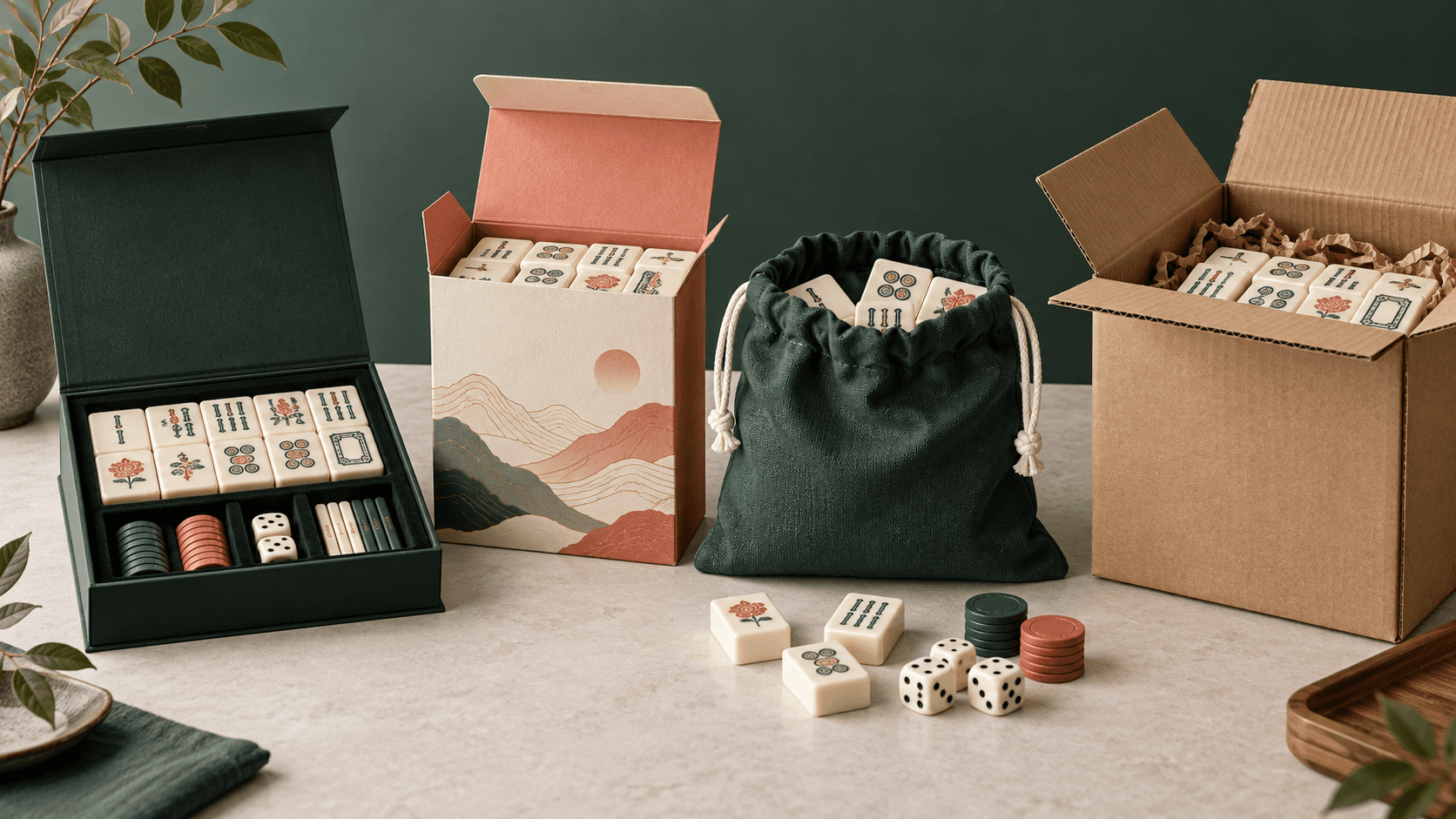
Lay out what the subscriber sees in order: shipping label, outer carton, opening message, product, insert, accessories, and any next action. The first printed panel should not force the customer to search for basic identification. The product should lift out without loose pieces escaping into the parcel.
Create a simple top-view drawing with dimensions. Add the packed weight only after the configuration is real. Photograph a packed sample before approval. A digital box rendering cannot show whether the insert bows, pieces migrate, or printed matter hides underneath the product.
Plan mahjong sets for subscription boxes around the parcel
The retail unit and the shipping parcel may be the same object, or the retail unit may sit inside a separate mailer. Decide early. Direct-to-consumer handling can expose the package to drops, vibration, compression, and repeated transfers. The International Safe Transit Association describes its ISTA 3L protocol as a generalized e-commerce retailer fulfillment test intended to address hazards across the route from retailer fulfillment to the consumer.
This does not mean every project needs the same test. Use the real product weight, package type, fulfillment method, and distribution pattern to select appropriate screening or formal testing with qualified parties. Treat the product and package as one system.
Give every included piece a job
| Component | Subscriber job | Buyer check |
|---|---|---|
| Tiles | Provide the promised play or collectible experience | Correct format, count, faces, and spares |
| Storage | Keep pieces organized after the outer parcel is discarded | Fit, closure, lifting method, and durability |
| Instruction insert | Explain what this edition is and what to do next | Accurate language, legibility, and rights |
| Accessory | Remove a real barrier to use | Compatibility and quantity |
| Brand card | Connect the collaboration to a story or offer | Tracking link, expiry, and customer-service owner |
| Protective insert | Hold the product through handling | Retention, removal, material, and disposal message |
If a component has no subscriber job, reconsider it. Low-cost extras can make the package feel crowded, confuse disposal, and create another quality check without improving the experience.
Compatibility deserves its own line in the brief. If a box includes racks or pushers, specify the tile size and intended arrangement. If it includes a mat, confirm its usable playing area and folded or rolled pack format. A subscriber should not discover after opening that two individually acceptable products cannot be used comfortably together.
Barcode work starts before the artwork is locked
Retail or fulfillment systems may require a product identifier and a scannable symbol. GS1's 10-step barcode guidance places barcode selection and encoded data before final symbol placement and printing. The exact identifier and symbol depend on the commercial system and market, so buyers should coordinate with their GS1 organization, retailer, or fulfillment partner.
Reserve a real quiet area in the packaging design. Do not paste a barcode over a seam, curve, closure, or busy graphic at the last minute. Test a production-equivalent print with the scanner used in the intended workflow.
Make the insert useful in under a minute
The insert should answer: What is this? Is it a complete playable set? Which rules or audience does it support? What is included? Where can the subscriber find fuller instructions? Who handles a missing or damaged component?
Keep promotional copy separate from operational directions. If a QR code leads to a guide, print a short human-readable URL as a fallback. Confirm that the destination will remain active after the campaign ends.
Protect the brand collaboration
Record who owns the subscription-box brand, collaborator marks, tile artwork, photography, and written story. Define where each asset may appear and who approves proofs. Limited campaign rights do not necessarily authorize ongoing production, replacement units, or use in factory marketing.
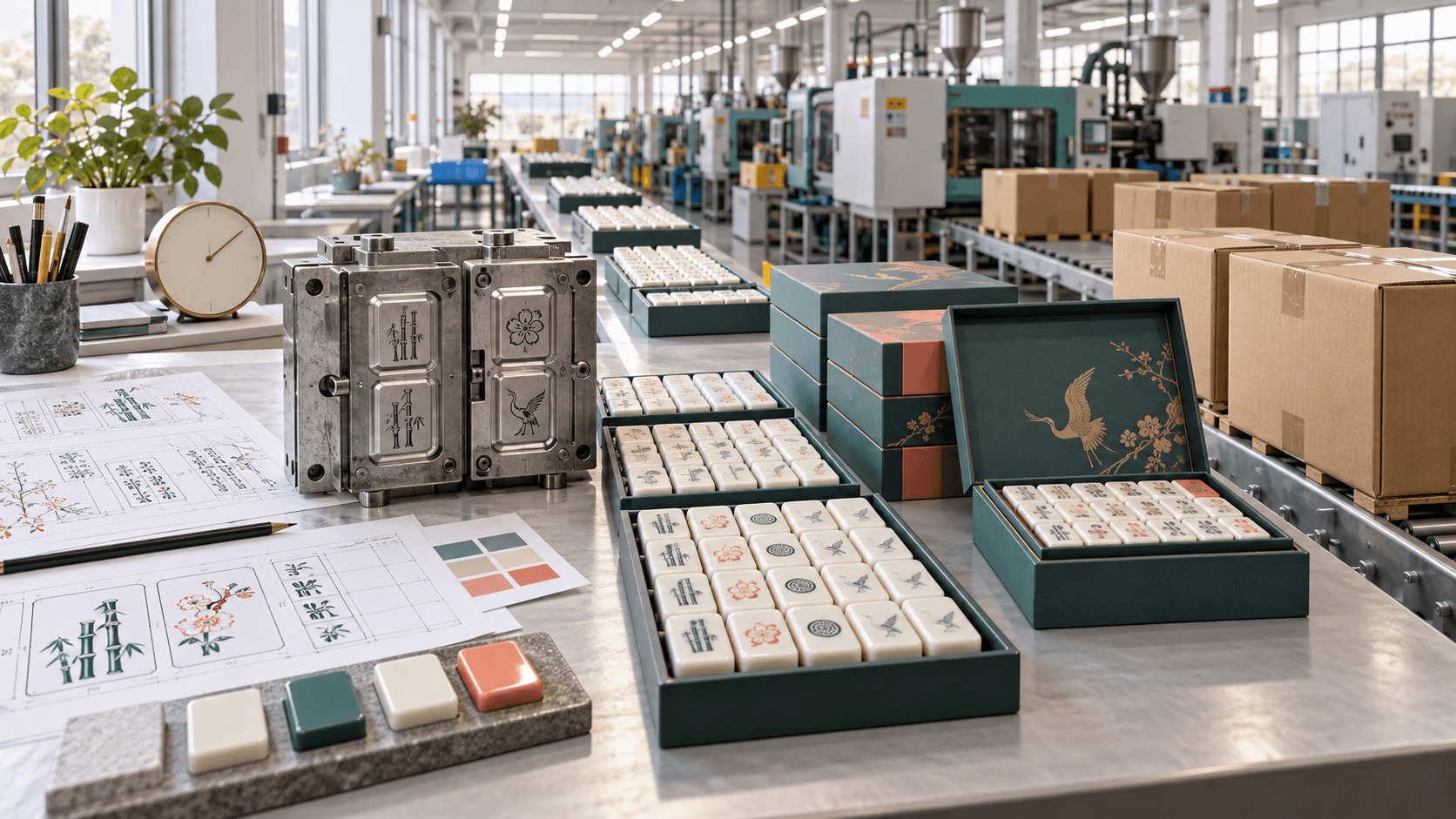
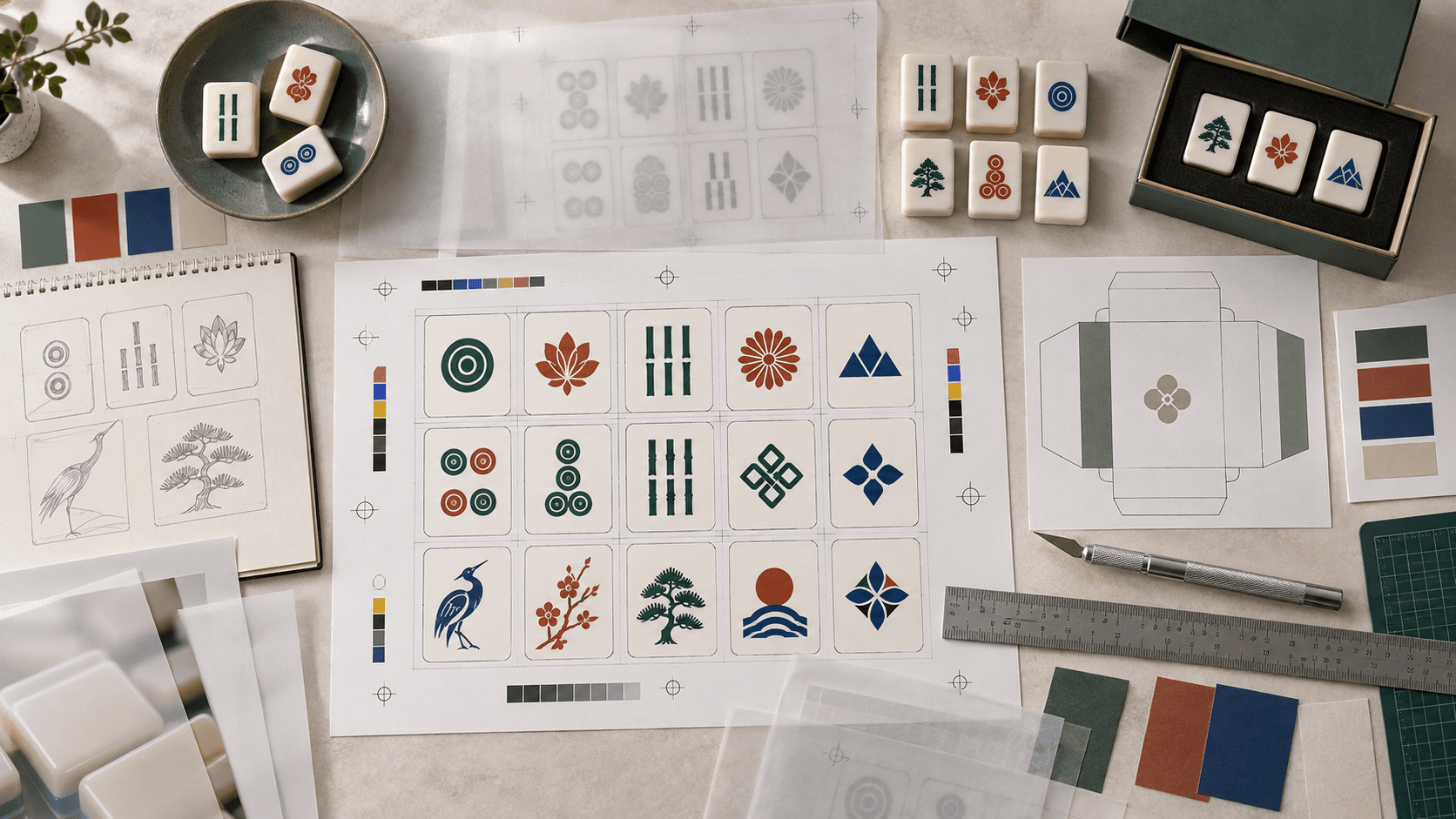
Use a versioned contact sheet for the faces and a separate packaging proof. One approval should not be stretched to cover assets the approver never saw.
Plan the launch as a measurable batch
A first batch can answer useful questions: How many parcels were damaged? Which component generated questions? Did subscribers scan the insert? Were replacement requests caused by missing pieces, unclear expectations, or transit? Did the edition drive renewal or only social engagement?
Agree on a defect and customer-service log before dispatch. Codes such as missing tile, wrong configuration, crushed outer, insert error, and expectation mismatch are more actionable than “customer unhappy.” Feed the findings into the next specification.
Give the service team the approved component list and clear photographs before parcels leave. Decide whether it may ship one replacement tile, an accessory pack, or a complete unit for each problem type. Fast service depends on that authority being settled before the first ticket arrives.
Design the reorder before the reveal
Decide whether the edition can be replenished, repeated with new colors, or never produced again. Archive approved files, physical references, the bill of materials, packing photos, carton data, and supplier batch information. A viral response is not useful if nobody can identify which version customers received.
If exclusivity is part of the offer, define product elements, territory, duration, quantity, and what happens to unused components. Avoid vague phrases such as “exclusive design” when only one color or logo placement is exclusive.
What to send in the first sourcing brief
- Subscriber profile and the one-sentence box promise
- Complete, compact, collaboration, or accessory-led model
- Estimated subscriber quantity plus replacement allowance
- Target retail value and parcel constraints
- Game format, tile count, faces, and accessories
- Brand and collaborator artwork status
- Unboxing sequence and insert requirements
- Barcode, label, and fulfillment requirements
- Distribution route and testing expectations
- In-warehouse date and approval contacts
FAQ
Should a subscription offer include a complete set?
It depends on the promise and audience. A complete set supports immediate play, while a clearly described collectible or accessory edition may suit another concept. Avoid ambiguity.
Can a full set fit a standard mailer?
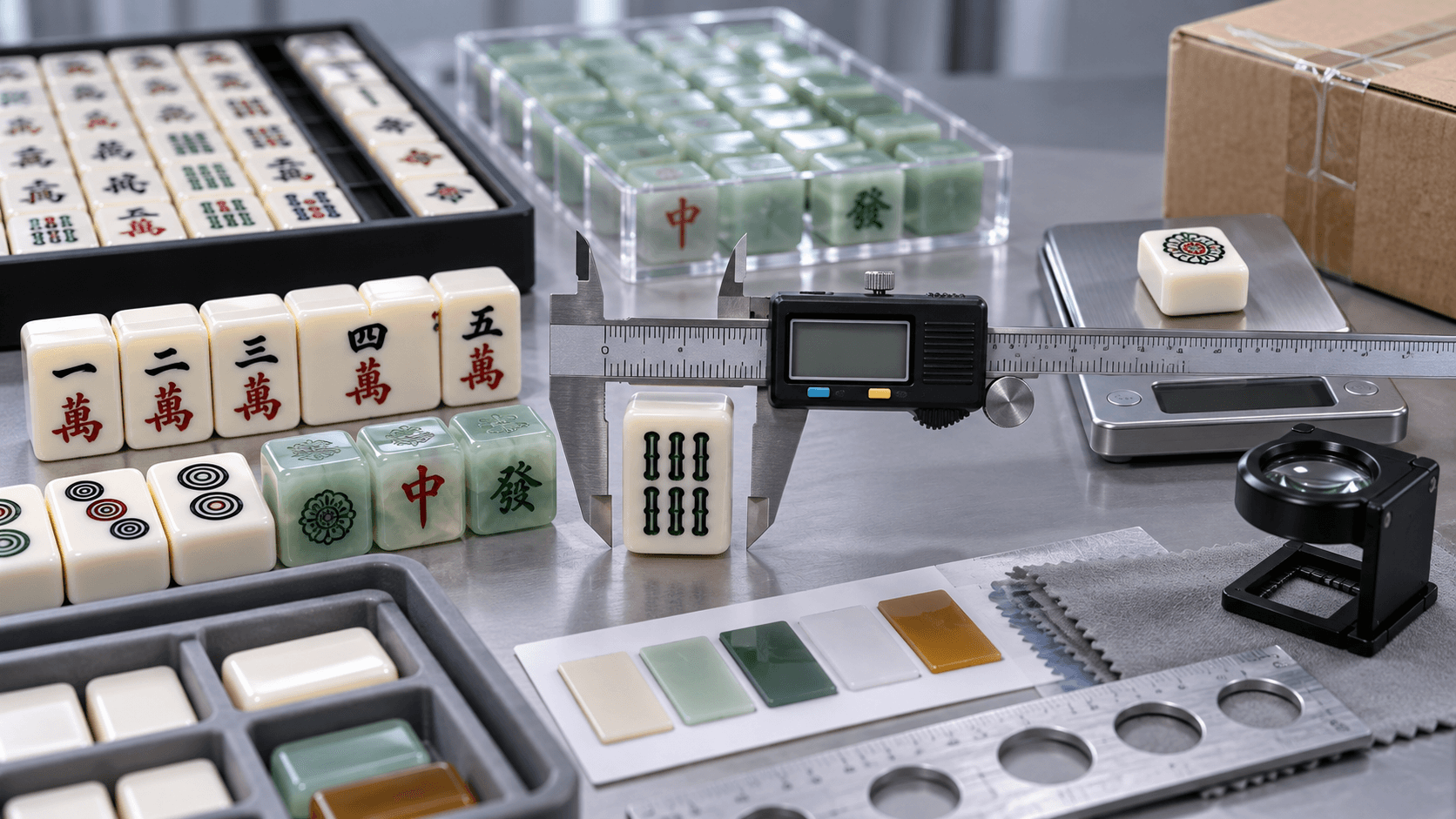
Measure the actual product, storage, insert, protection, and packed weight. Mailer sizes and carrier rules vary, so confirm them with the fulfillment partner before fixing the box.
How many spare pieces should be included?
The approved game format and service policy should drive the decision. Record exact spare quantities in the face schedule and explain any unmarked blanks.
Who supplies the barcode?
The brand owner or authorized commercial party normally manages product identification. Confirm responsibilities with the retailer, fulfillment provider, and relevant GS1 organization.
Can instructions be digital only?
Possibly, but the physical package should still identify the product and provide a durable access route. Consider subscribers who cannot or do not scan a code.
How should replacement stock be planned?
Base it on product complexity, inspection results, shipping route, service promise, and the feasibility of replacing individual parts versus complete units.
Should the shipping carton carry the collaboration design?
That is a brand and logistics choice. A plain outer may protect the retail reveal, while a designed shipper may support the campaign. Test whichever configuration will travel.
Can several colorways share one insert?
Yes, if all product facts and images remain accurate. If counts, materials, care, or included items differ, create controlled versions.
What makes a good first-batch metric?
Choose measures linked to decisions, such as damage rate by type, missing-component reports, scan completion, replacement cause, and renewal behavior.
When should a packed sample be approved?
Before mass packing and after the product, insert, retail box, protective structure, labels, and closure match the intended shipping configuration.
Move from theme to a packable product
ABC Mahjong supports custom sets, artwork, colors, packaging, and related accessories for B2B projects. Review the product categories and custom options, then learn about the company. Send your subscriber profile, quantity, parcel limits, and campaign date through the contact page to discuss mahjong sets for subscription boxes as a complete product-and-package brief.