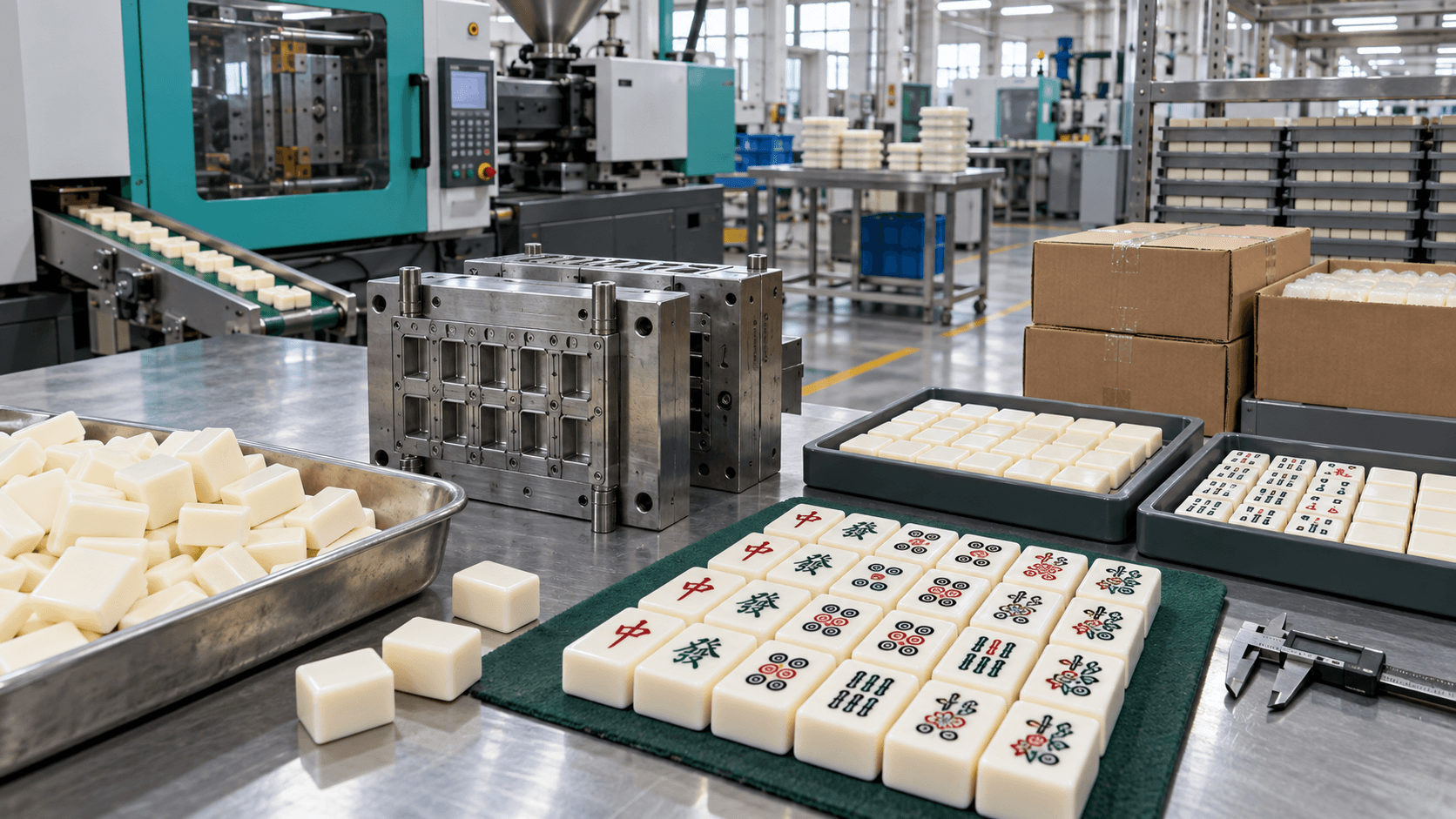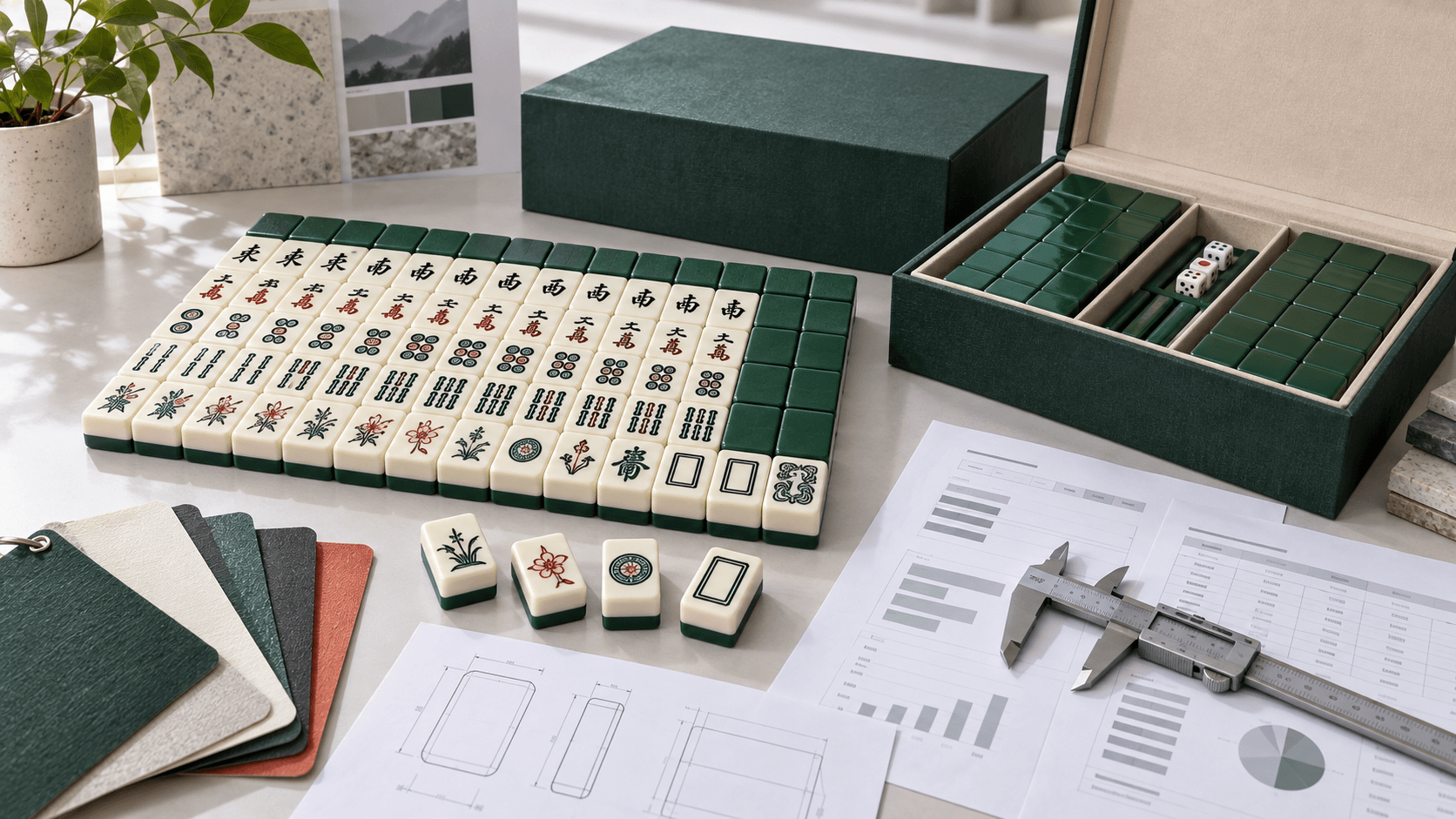

An American mahjong set manufacturer must control more than attractive tile artwork. The factory and buyer need a shared definition of the set: tile count, jokers, blanks or spare tiles, Arabic numerals, English labels, rack and pusher compatibility, dice, case layout, printed material, and retail packaging. A single missing or duplicated tile can make the set unusable, so the specification and counting method deserve the same attention as the design.
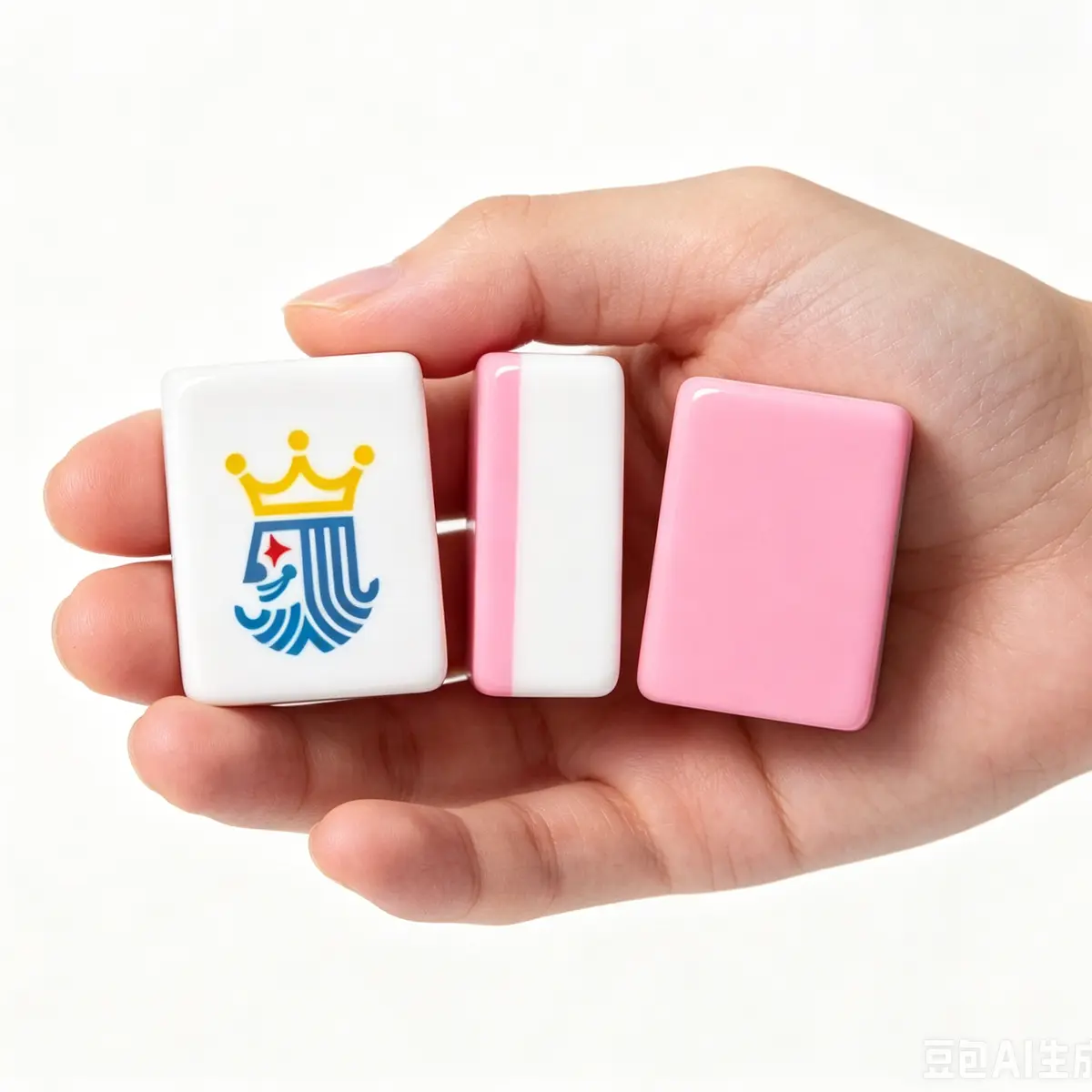
First, define what “166-tile set” means for your product
American Mahjong products commonly use more tiles than many Chinese-style sets and often add Arabic numerals and English words to support recognition. However, buyers should never rely on a count alone. Two 166-tile briefs can allocate jokers, blanks, flowers, and spare tiles differently.
Create a tile schedule that names every face and quantity. It should show suits, winds, dragons, flowers, jokers, blanks or spares, and any custom promotional tile. The buyer should approve this schedule together with the artwork files. If a rules organization or card publisher is relevant to your market, confirm compatibility and trademark or content permissions directly; do not assume that a generic factory layout provides official approval.
American Mahjong product decision table
| Component | Decisions to freeze | Buyer check |
|---|---|---|
| Tiles | Count, faces, dimensions, material, color, finish, and back design | Correct schedule and readable artwork |
| Racks and pushers | Length, groove or support, color, logo, and quantity | Physical fit with approved tiles |
| Small accessories | Dice, markers, score items, and spare components | Count and pack location |
| Printed content | Rules, instructions, labels, product cards, and barcodes | Language and legal review |
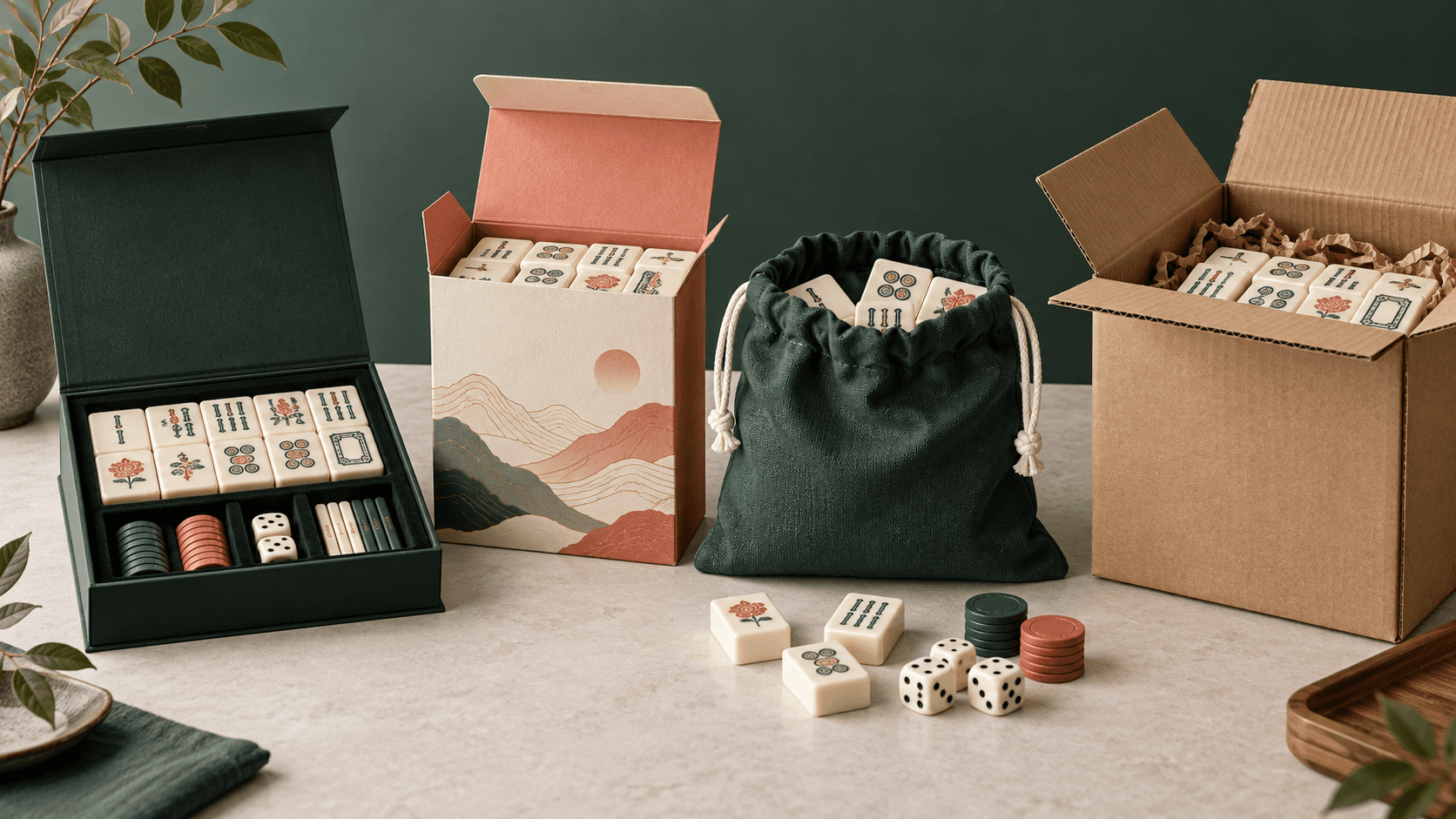
| Case and box | Storage layout, protection, opening experience, and shipping method | Everything fits without excessive movement |
Seven technical points buyers should review
1. Legibility is part of the design
Decorative artwork should not make numbers, suits, winds, dragons, or labels difficult to identify. Test the design at actual tile size, not only on a large monitor. Ask several target users to read a sample hand under ordinary room lighting. The set may look beautiful in a rendering and still be tiring to play.
2. Tile dimensions affect the whole system
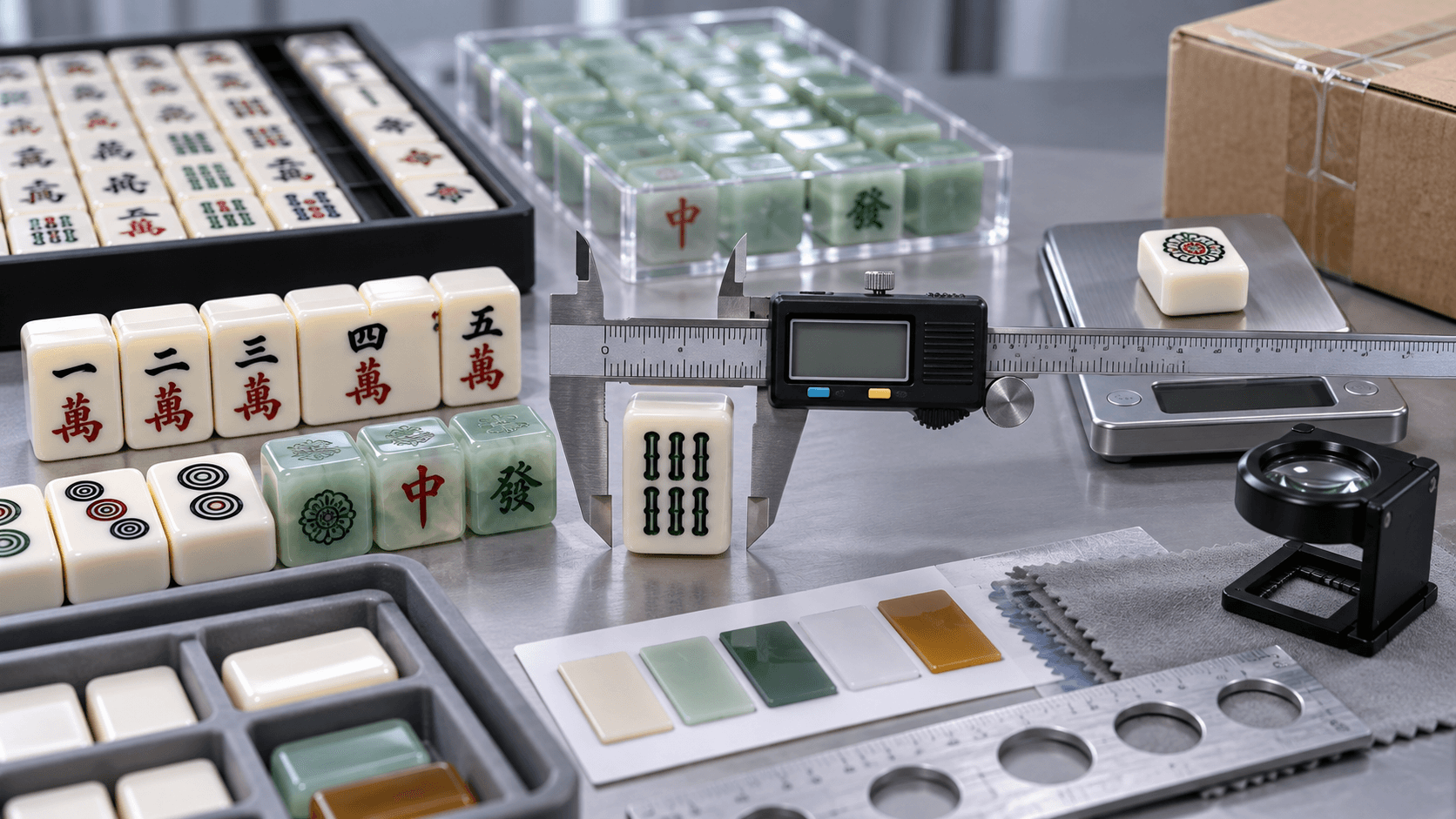
Width, height, thickness, edge shape, and weight influence handling, rack fit, case size, mat space, and freight. Fix the dimensions before finalizing racks, inserts, and boxes. A rack sourced from a different project may look compatible but fail when the groove, support angle, or pusher length is tested.
3. Artwork needs a controlled master list
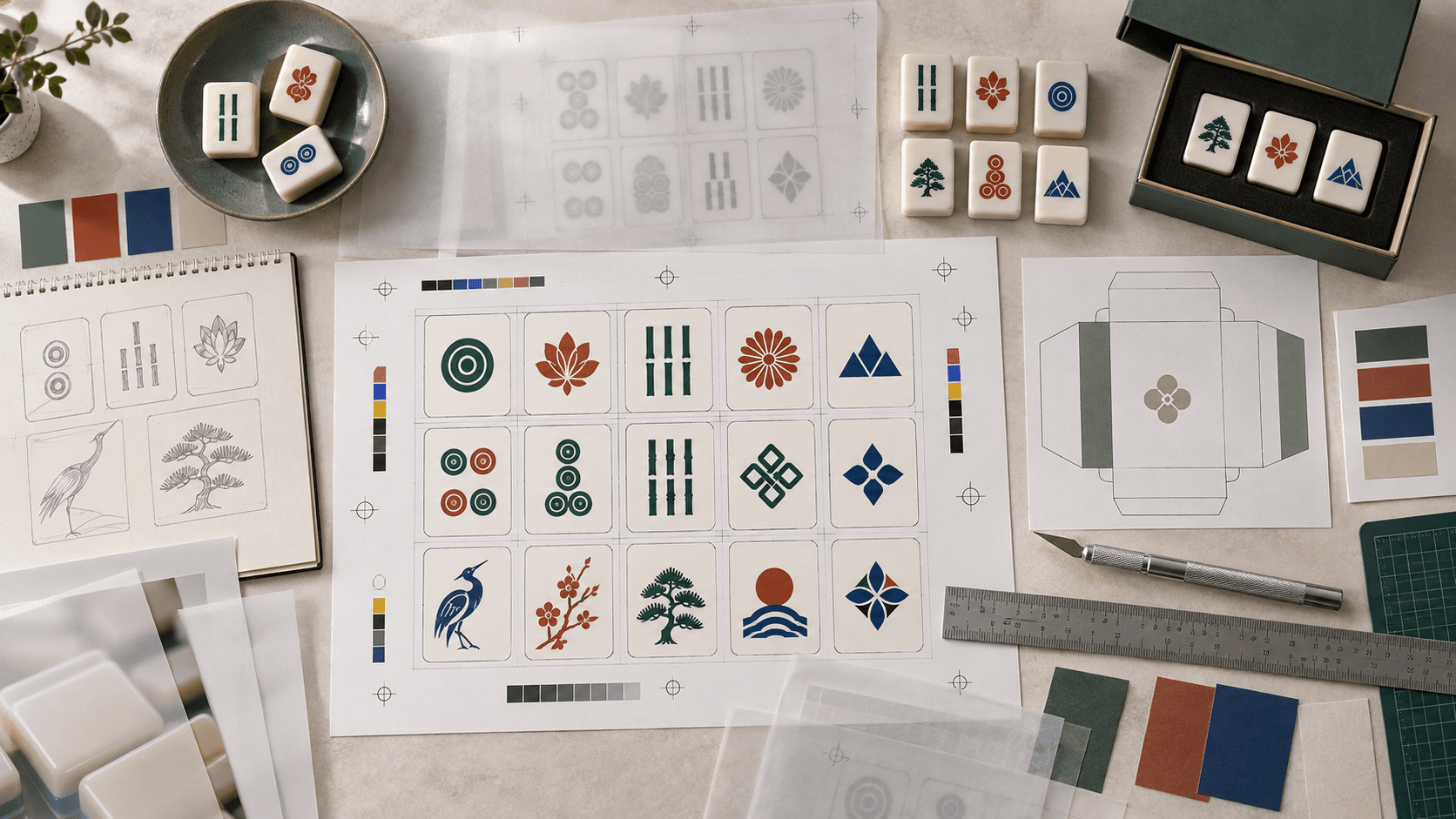
Use a file index with one line for every face and repeat count. Include filename, version, color reference, and approval status. This is tedious work. It is also much easier than correcting a full run after two nearly identical tile files were swapped.
4. Color should be reviewed across components
Tile backs, face artwork, racks, pushers, cases, mats, and printed boxes may use different materials and processes. An identical digital color value will not automatically look identical on each surface. Approve the collection as a group and decide where close coordination is essential and where a deliberate contrast is acceptable.
5. Surface finish changes both look and use
Gloss, matte, transparent, glitter, engraving, printed color, and layered acrylic effects create different visual and handling results. Ask for relevant physical references. Inspect edges, corners, surface marks, artwork alignment, and the consistency of decorative effects.
6. Completeness control needs a written method
A factory should explain how faces are counted, how duplicate and special tiles are distinguished, how accessories are added, and how the finished set is checked. The method may combine organized trays, count sheets, visual references, weighing, or other process controls. The correct approach depends on the product, but “we check it” is not enough detail.
7. Packaging must survive the chosen sales route
A set sold through a boutique has different handling from one shipped directly to consumers. Review the internal organization, protection around heavy components, closure, carry function, label placement, retail box, and export carton. Shake and transport a sample in a realistic way before approving the pack.
Sampling: separate design approval from production approval
A visual prototype can answer color and layout questions. A functional sample should confirm actual tile handling, legibility, accessory fit, case organization, and packaging. If the project includes a new mold or unfamiliar finish, identify what still needs validation after the first sample.
The approved sample record should contain:
- Final tile schedule and face artwork
- Dimensions and material description
- Color and finish references
- Rack, pusher, dice, marker, and printed component quantities
- Case and packaging construction
- Label, barcode, carton mark, and language files
- Known limits or approved variations
Keep the physical reference and the final digital files connected by version. The goal is to remove interpretation when mass production begins.
Quality checks for a bulk American Mahjong order
Tile-face audit
Compare production pieces against the master schedule. Check repeats, jokers, blanks, spelling, numerals, symbols, orientation, and artwork placement. Sample selection should cover every face type, not only the easiest tiles to inspect.
Dimension and fit checks
Confirm dimensions at agreed points and test tiles in the approved racks, case, and packaging insert. Fit checks often reveal issues that individual measurements miss.
Visual and handling checks
Review surface marks, edge finish, color variation, transparency, engraving or print quality, and the feel of mixed tiles in a hand. The acceptance standard should reflect the agreed retail position and manufacturing process.
Pack-out audit
Verify all components, printed material, labels, barcodes, retail packaging, and outer carton information. Open finished units from different cartons. A correct loose sample does not prove the packed order is correct.
Questions to put on the RFQ
- Can you produce the exact tile schedule attached to this request?
- Which existing tile dimensions and rack formats can we sample?
- Which artwork, engraving, printing, color, and finish methods fit our design?
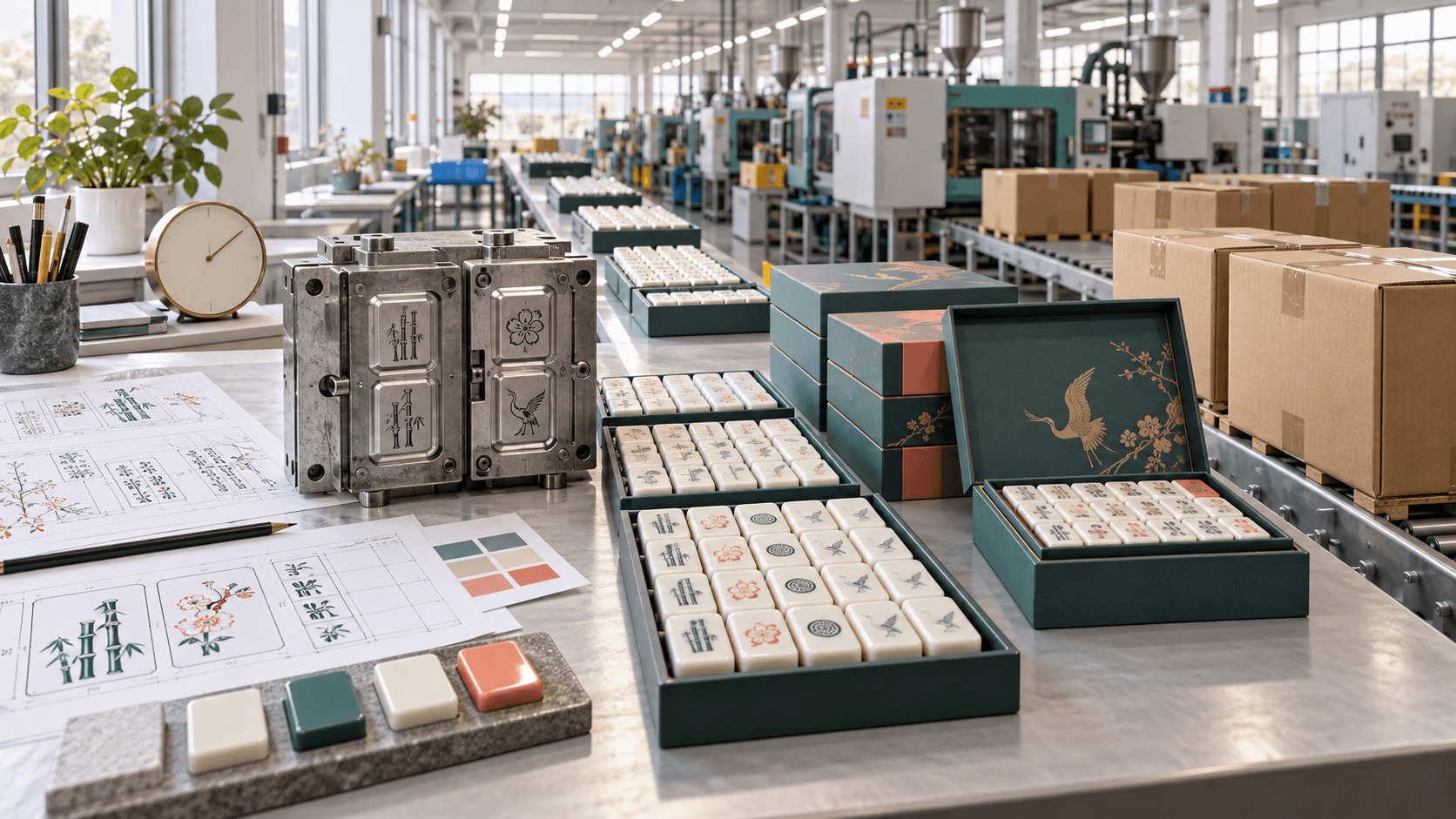
- Does this project use existing tooling or require a new mold?
- What does the sample validate, and what remains to be approved later?
- How is set completeness controlled during production and packing?
- Which custom packaging options fit our retail and shipping channel?
- How are MOQ, sample cost, tooling, and lead time calculated?
ABC Mahjong’s manufacturing approach
ABC Mahjong offers acrylic tile sets and coordinated racks, pushers, cases, mats, dice, rulebooks, labels, inserts, and retail packaging. Its custom development process moves through requirement review, solution and quotation, artwork and sampling, sample approval, production and inspection, then packing and delivery. Buyers can view the current American Mahjong product example and the wider product range.
An experienced American mahjong set manufacturer should still confirm every commercial and technical term from the actual project. MOQ, tooling, sample charges, production timing, and delivery depend on the tile structure, artwork, accessories, packaging, quantities, and approval schedule.
FAQ
Does every American Mahjong set have exactly the same tile allocation?
No. Buyers should provide and approve a face-by-face tile schedule. Do not rely on a total count alone to define jokers, blanks, spares, flowers, or custom tiles.
Can Arabic numerals and English words be customized?
Artwork can be developed within the selected manufacturing process, but legibility, rules accuracy, permissions, and production feasibility must be reviewed before approval.
Should racks and pushers be sampled with the tiles?
Yes. Physical testing confirms fit, support, length, handling, color coordination, and case organization better than separate drawings can.
Can a brand customize the case and retail box?
Custom options can include case color, logo, printed artwork, internal organization, gift boxes, labels, inserts, and shipping cartons. Feasibility and order requirements vary by structure.
What files should a buyer provide?
Provide the tile schedule, artwork, logo, color direction, accessory list, packaging requirements, written copy, barcodes, quantities, destination, and desired timing. Clearly identify the final approved version.
How can buyers reduce missing-tile risk?
Use a controlled face list, organized production and packing methods, written inspection criteria, and finished-set checks across multiple cartons. Keep an approved reference set.
Approve the system, not only the artwork
The right American mahjong set manufacturer helps the buyer connect tile design with count accuracy, accessory fit, storage, packaging, inspection, and repeat production. A clear schedule and physical sample are the foundations of that work.